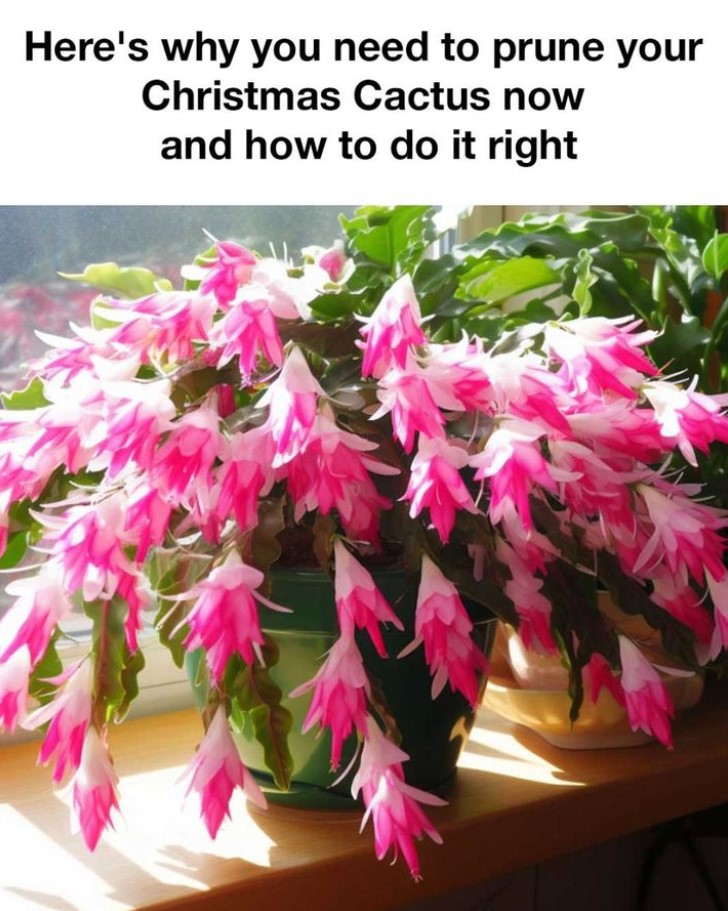
Christmas cacti are among the most loved indoor plants because of their colorful blooms and long lifespan. Unlike many traditional desert cacti, Christmas cacti are tropical plants that thrive indoors with proper care and attention. Their cascading stems and bright flowers make them a favorite during the holiday season, but many people struggle to keep them blooming year after year.
One of the most overlooked parts of Christmas cactus care is pruning. Many plant owners avoid trimming their cactus because they worry about damaging it. However, light and proper pruning is actually one of the best ways to encourage fuller growth, healthier stems, and more flowers in future blooming seasons. Experts often recommend pruning after the flowering period and during active spring growth for the best results.
When done correctly, pruning helps the plant redirect its energy into stronger branching and healthier development. In this guide, you will learn why pruning matters, when to do it, and how to trim your Christmas cactus safely and effectively.
Understanding the Christmas Cactus
The Christmas cactus, scientifically known as Schlumbergera, is different from desert cacti because it naturally grows in humid rainforest environments. Instead of sharp spines, it has flat segmented stems that store moisture and produce flowers under the right seasonal conditions.
These plants can live for decades with proper care. Some are even passed down through generations as family plants. However, without occasional maintenance, they may become leggy, uneven, or less productive when it comes to blooming.
Pruning is one of the easiest ways to keep the plant attractive and healthy over time.
Why Pruning Is Important
Many people think pruning is only for appearance, but it offers several important benefits.
1. Encourages Fuller Growth
Every time you prune a stem segment, the plant often responds by producing new branching growth from that point. This creates a bushier and fuller appearance over time.
A fuller plant also means more possible locations for flowers to develop during blooming season.
2. Helps Control Size
Christmas cacti can become very large over the years. Long stems may begin hanging unevenly or overcrowding the pot. Pruning allows you to shape the plant and keep it manageable indoors.
3. Removes Weak or Damaged Growth
Older or damaged segments may drain energy from the plant. Removing unhealthy sections allows the cactus to focus on healthier growth.
4. Improves Future Blooming
A healthy, balanced plant is more likely to bloom successfully. Proper pruning encourages fresh growth, and new growth often supports future flowers more effectively.
When to Prune a Christmas Cactus
Timing is very important.
The best time to prune a Christmas cactus is shortly after it finishes blooming, usually during late winter or spring. During this period, the plant begins entering an active growth phase, making recovery easier and encouraging fresh branching.
Avoid heavy pruning:
- During active flowering
- Right before blooming season
- When the plant appears stressed or unhealthy
Pruning too late in the year may reduce future blooms because flower buds form later in the growing cycle.
How to Prune Correctly
Pruning a Christmas cactus is simpler than many people expect.
Step 1: Inspect the Plant
Start by examining the plant carefully.
Look for:
- Long leggy stems
- Uneven growth
- Damaged segments
- Weak or shriveled areas
- Sections crowding the plant’s shape
This helps you decide where trimming is needed.
Step 2: Use Clean Hands or Tools
Many people simply pinch or twist the segments gently by hand. Others prefer using clean scissors or pruning shears.
The important thing is to avoid crushing or tearing the stems.
Step 3: Remove Segments at the Joints
Christmas cactus stems are made of connected flat segments. Always prune where two segments naturally join together.
Removing one or two segments from stem tips is usually enough to encourage branching without stressing the plant.
Experts generally recommend avoiding removal of more than one-third of the plant at one time.
Step 4: Shape the Plant Evenly
Try to maintain a balanced appearance by trimming evenly around the plant.
This helps:
- Improve airflow
- Maintain symmetry
- Prevent overcrowding
- Encourage balanced growth
What to Do After Pruning
Once pruning is complete, the plant needs proper aftercare to recover and grow.
Provide Bright Indirect Light
Christmas cacti prefer bright but indirect sunlight. Too much direct sunlight can stress the stems and discolor the plant.
Water Carefully
After pruning, continue moderate watering.
The soil should remain slightly moist but never soaked. Overwatering is one of the most common causes of problems with Christmas cacti.
Use Well-Draining Soil
These plants prefer loose, airy soil that drains well. Dense or soggy soil may cause root rot. Many experienced growers recommend cactus mixes combined with materials like orchid bark or perlite for better airflow.
Fertilize During Active Growth
Once new growth begins, light feeding during spring and summer can support healthier stems and blooming later in the year.
Can You Propagate the Cuttings?
Yes. One of the best parts about pruning a Christmas cactus is that the removed segments can often be propagated into new plants.
To propagate:
- Let the cuttings dry for a day or two
- Place them in lightly moist soil
- Keep them in bright indirect light
- Avoid overwatering
With time, many cuttings develop roots and grow into entirely new plants.
This is one reason Christmas cacti are often shared between family and friends.
Common Mistakes to Avoid
Over-Pruning
Removing too much at once can weaken the plant and slow recovery.
Pruning During Blooming Season
Cutting while flower buds are forming may reduce blooming potential.
Overwatering After Pruning
Freshly pruned plants are more sensitive to excessive moisture.
Too Much Direct Sunlight
Harsh sunlight can burn or discolor the stems.
Interesting Facts About Christmas Cactus
- Christmas cacti can live for decades with proper care
- They are native to Brazilian rainforests, not deserts
- Some varieties may bloom more than once a year under good conditions
- Cooler temperatures and long nights help trigger flowering
- Pinching tips encourages fuller and bushier growth
Conclusion :
Pruning a Christmas cactus may seem unnecessary at first, but it plays an important role in maintaining a healthy, attractive, and productive plant. With proper timing and gentle trimming, you can encourage fuller growth, improve the plant’s shape, and increase the chances of beautiful blooms during future flowering seasons.
The process itself is simple, requiring only patience, careful handling, and basic aftercare. Even small pruning efforts can make a noticeable difference over time.
Most importantly, pruning helps your Christmas cactus remain strong and healthy for many years to come. With the right care, these beautiful plants can continue producing vibrant flowers season after season, becoming long-lasting favorites in your indoor garden.