Nature is filled with plants that people walk past every single day without realizing how useful they can be. Some are dismissed as weeds, while others are simply overlooked because they do not appear extraordinary at first glance. Yet many of these plants have long histories in traditional practices and natural wellness.
One of the most fascinating examples is the mullein plant, a tall, soft-leaved plant that grows in fields, along roadsides, and in open natural areas. Despite its ordinary appearance, mullein has been valued for centuries because of its many traditional uses and unique characteristics.
For generations, people have used this plant in teas, oils, and herbal preparations. Its fuzzy leaves and bright yellow flowers make it recognizable once you know what to look for. Today, interest in natural plants and traditional remedies has caused many people to rediscover this overlooked botanical treasure.
What Is the Mullein Plant?
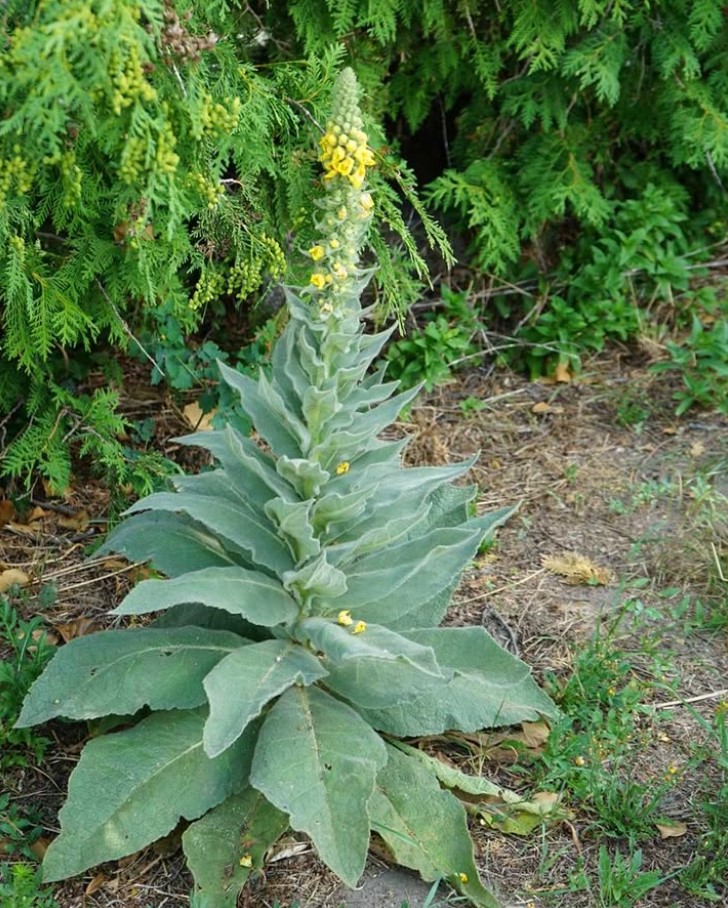
Mullein, commonly known by its scientific name Verbascum thapsus, is a tall flowering plant that often grows wild in dry, sunny locations. It is easy to identify because of its thick, velvety leaves and tall flowering stalk covered in small yellow flowers. Some plants can grow several feet high, making them stand out once mature.
The plant usually follows a two-year growth cycle. During the first year, it forms a circle of soft leaves close to the ground. In the second year, it produces a tall flowering stem that can become highly visible in open landscapes.
Because mullein grows naturally in many environments and does not require rich soil, it has survived and spread easily for centuries.
A Plant With a Long History
Mullein has been used in traditional herbal practices for a very long time. Ancient cultures valued it for different purposes, and historical records show that people once used the plant in household remedies and natural preparations. In some traditions, it was even connected to folklore and symbolic beliefs.
Over time, the plant became associated with wellness practices related to breathing comfort, skin care, and soothing herbal teas. While modern science continues studying traditional plants, mullein remains popular among people interested in natural living and herbal history.
How to Identify Mullein in Nature
One reason mullein is often ignored is because many people mistake it for an ordinary roadside weed. However, it has several features that make it easy to recognize.
Key characteristics include:
- Large fuzzy leaves with a soft texture
- A tall central stalk
- Small yellow flowers growing densely at the top
- A silvery-green appearance caused by tiny hairs on the leaves
The leaves are especially distinctive because they feel almost like velvet when touched carefully.
Mullein often grows in:
- Open fields
- Dry soil areas
- Roadsides
- Meadows
- Empty lots
- Sunny hillsides
Because it grows so commonly in wild areas, many people pass by it regularly without understanding what it is.
Traditional Uses of Mullein
For centuries, people have used mullein in many traditional ways. The leaves and flowers are the most commonly collected parts of the plant.
1. Herbal Tea Preparations
One of the most common traditional uses is preparing herbal tea from dried leaves or flowers. Many people drink it as a warm herbal beverage associated with relaxation and comfort.
2. Oils and Infusions
Mullein flowers have traditionally been infused into oils. These preparations have been used in folk practices for soothing purposes.
3. Skin Applications
In traditional herbal use, mullein was sometimes applied externally in homemade remedies for minor skin irritation and dryness.
4. Natural Wellness Practices
Many herbal enthusiasts value mullein because it has long been associated with general wellness traditions and plant-based living.
It is important to remember that traditional use does not replace professional medical advice. Herbal plants should always be approached responsibly and carefully.
Why People Are Rediscovering Wild Plants
In recent years, more people have become interested in learning about traditional plants and forgotten natural remedies. Part of this movement comes from a desire to reconnect with nature and understand how earlier generations used local plants.
Articles and studies about unusual plant discoveries have also increased public curiosity about the hidden value of the natural world. Scientists have even explored surprising relationships between plants and minerals, including research showing that certain trees can absorb microscopic traces of metals from deep underground.
This growing fascination with nature has encouraged people to pay more attention to plants they once ignored.
The Importance of Learning Before Using Wild Plants
Although many plants have traditional uses, proper identification is extremely important. Some wild plants can resemble one another, and mistakes can be dangerous.
Before using any plant:
- Learn from reliable sources
- Confirm identification carefully
- Avoid plants exposed to chemicals or pollution
- Speak with a healthcare professional before using herbal preparations
Wild plants should never be consumed casually without proper knowledge.
Interesting Facts About Mullein
Here are some fascinating details about this overlooked plant:
- Mullein can grow very tall in the right conditions
- Its leaves are naturally water-resistant because of their fuzzy surface
- The plant has appeared in traditional folklore for centuries
- Bees and pollinators are often attracted to its flowers
- It thrives even in poor soil where many plants struggle
These qualities have helped mullein survive across many climates and regions.
Why Plants Like This Matter
Plants like mullein remind us that nature often hides value in unexpected places. What many people consider an ordinary weed may actually have a long cultural history and generations of traditional use behind it.
Learning about wild plants also encourages greater appreciation for the environment. Instead of ignoring the natural world around us, we begin paying closer attention to the details, patterns, and hidden stories found in everyday landscapes.
Nature is full of plants with unusual histories, surprising scientific discoveries, and important ecological roles. Some are used in traditional medicine, while others have helped researchers understand minerals, ecosystems, and even ancient human history.
Conclusion :
The mullein plant is a perfect example of how something simple and overlooked can hold remarkable value. While many people pass by it without noticing, generations before us recognized it as a useful and important part of traditional herbal practices.
Its soft leaves, bright flowers, and long history make it one of the most recognizable wild plants once you learn how to identify it. More importantly, it serves as a reminder that nature still contains countless hidden treasures waiting to be understood.
By becoming more aware of the plants around us, we not only learn about traditional knowledge and natural history, but we also develop a deeper connection to the environment itself. Sometimes the most interesting discoveries are not hidden in distant places — they are growing quietly right beside the path.