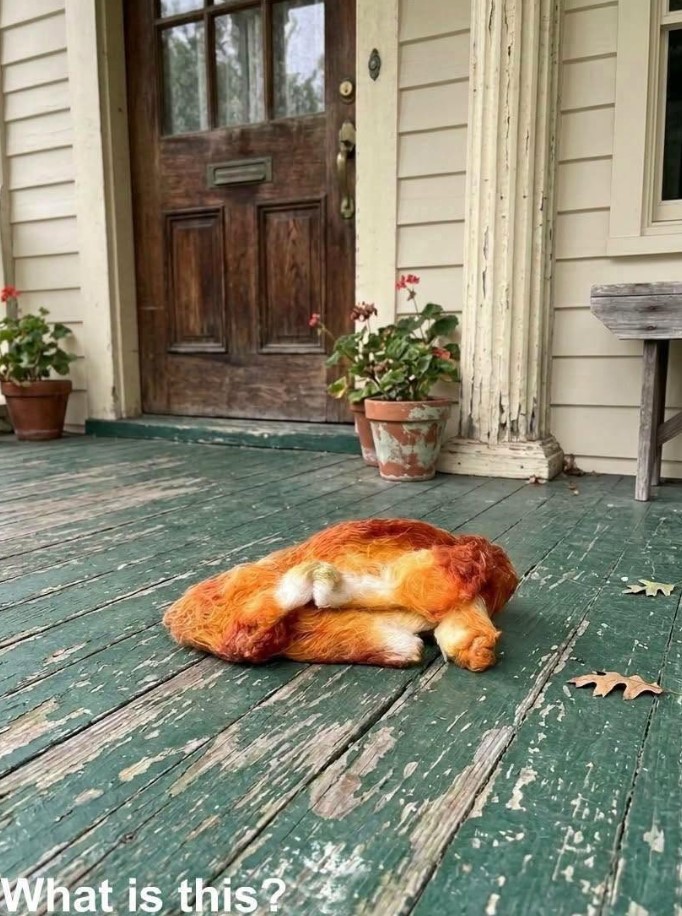
There is something special about stepping outside early in the morning. The air is cooler, the world is quieter, and sometimes nature leaves behind unexpected surprises. Occasionally, homeowners discover a tiny creature sitting peacefully on the porch, sparking both curiosity and concern.
Whether it is a baby bird, a small frog, an unusual insect, or another wild visitor, these encounters often remind us that our homes are part of a much larger ecosystem. While the discovery may initially be surprising, the best response is usually calm observation rather than immediate action.
Many small animals temporarily use porches, patios, gardens, and yards as resting spots while searching for food, shelter, or protection from predators.
In this article, we will explore why tiny visitors appear around homes, how to safely respond, and when intervention may actually be necessary.
Why Wild Creatures Visit Your Porch
Animals are constantly searching for safe environments.
Your porch may attract them because it provides:
- Temporary shelter from weather
- Protection from predators
- Warm surfaces
- Access to nearby food sources
- Quiet resting areas
Most animals do not intend to stay permanently.
Common Tiny Visitors Homeowners Encounter
Depending on your location, you may encounter different animals.
Some of the most common include:
Baby Birds
Young birds sometimes leave the nest before they can fly perfectly.
They may:
- Sit quietly for long periods
- Chirp occasionally
- Have nearby parents watching from a distance
In many cases, this is normal behavior.
Tree Frogs
Tree frogs often appear in humid environments.
They are attracted to:
- Moist areas
- Plants
- Porch lights that attract insects
They are usually harmless.
Butterflies and Moths
These insects may rest on porches after traveling or during cooler temperatures.
Beneficial Garden Insects
You may also spot:
- Ladybugs
- Praying mantises
- Dragonflies
Many of these insects help control pests naturally.
What You Should Do First
If you find a tiny creature on your porch:
1. Stay Calm
Avoid panicking or assuming it is dangerous.
2. Observe From a Distance
Take a few moments to notice:
- Its size
- Its movement
- Its behavior
Observation often provides clues about its condition.
3. Avoid Touching It Immediately
Handling wildlife can:
- Stress the animal
- Cause defensive reactions
- Interfere with natural behaviors
Whenever possible, let nature take its course.
When You Should Intervene
Most situations require no action.
However, intervention may be necessary if:
- The animal appears injured
- It is trapped somewhere dangerous
- It is inside your home and cannot escape
- It is in immediate danger from pets
In these situations, contacting local wildlife professionals may be helpful.
How to Make Your Outdoor Space Wildlife-Friendly
Simple adjustments can create a healthier environment for local wildlife.
Consider:
- Planting native plants
- Providing fresh water sources
- Avoiding excessive pesticide use
- Keeping outdoor spaces clean
These practices support biodiversity.
Why These Encounters Are Important
Small wildlife encounters remind us that humans and nature coexist.
These moments can teach valuable lessons about:
- Patience
- Observation
- Respect for living creatures
- Environmental awareness
Even brief encounters can become meaningful experiences.
Common Mistakes to Avoid
Many people unintentionally create problems by:
- Picking up healthy animals unnecessarily
- Feeding wildlife inappropriate foods
- Chasing animals away aggressively
- Assuming every unfamiliar creature is dangerous
Education is often the best solution.
Teaching Children About Wildlife
These moments can also become educational opportunities.
Encourage children to:
- Observe quietly
- Ask questions
- Learn about local species
- Respect natural habitats
Early exposure to nature often builds lifelong appreciation.
Conclusion :
Finding a tiny visitor on your porch can transform an ordinary morning into a memorable experience. While the initial surprise may create uncertainty, most of these encounters are completely harmless and temporary.
Rather than reacting with fear, taking a few moments to observe and appreciate these visitors can help foster a deeper connection with the natural world. Every bird, frog, butterfly, or insect plays a role in maintaining healthy ecosystems around us.
Our homes are not isolated spaces; they are part of a much larger environment that countless living creatures share every day. By responding with patience, curiosity, and respect, we can coexist peacefully with the wildlife that occasionally crosses our path.
Sometimes the smallest visitors can serve as the biggest reminders that nature is always closer than we think, quietly thriving just beyond our front door.