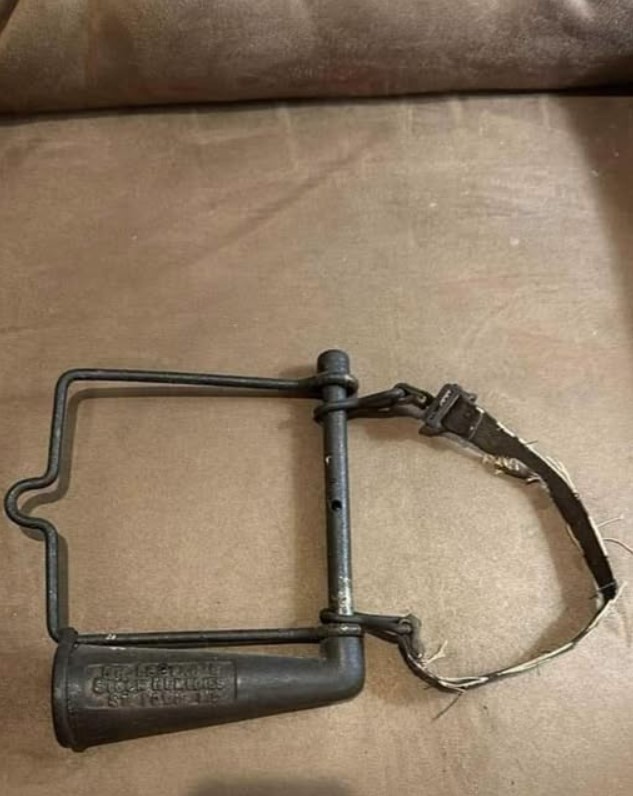
At first glance, this remarkable brass instrument may appear to be a decorative antique or a mysterious relic from a bygone era. Its polished metal construction and unusual design naturally spark curiosity. However, this object served a highly practical and important purpose in the world of veterinary medicine. Known as an antique horse drencher or drenching bit, it was once an essential tool used to administer medication to horses suffering from serious health conditions.
More than just a piece of old equipment, this brass beauty represents the ingenuity of early veterinarians and horse owners who relied on clever mechanical solutions to care for some of the most valuable animals of their time.
What Is an Antique Horse Drencher?
An antique horse drencher is a specialized veterinary device designed to help administer liquid medicines, oils, and treatments directly into a horse’s mouth. Before modern veterinary equipment became widely available, treating large animals posed significant challenges. Horses are powerful creatures with strong jaws and natural instincts that often make them resistant to swallowing unfamiliar substances.
To overcome these obstacles, veterinarians developed drenching bits that allowed them to safely and effectively deliver medications when a horse was unwilling to cooperate.
The Medical Challenge: Treating Colic in Horses
To understand the importance of this tool, it is necessary to understand one of the most dangerous conditions affecting horses: colic.
Colic is a general term used to describe abdominal pain and digestive distress in horses. It can result from intestinal blockages, gas buildup, impaction, twisting of the intestines, or other digestive complications. Throughout history, colic has been one of the leading causes of illness and death among horses.
Veterinarians often treated colic by administering large quantities of medicinal liquids such as mineral oil, paraffin oil, herbal remedies, or laxative solutions. Delivering these treatments, however, was not easy. A horse weighing over 1,000 pounds could easily resist treatment by tightly clamping its jaws shut.
This is where the horse drencher became indispensable.
The Ingenious Design of the Drenching Bit
The Bit: Keeping the Mouth Open
The bit portion of the device functioned similarly to a riding bit. It was carefully placed in the horse’s mouth and connected to straps or ropes.
When gentle pressure was applied, the horse naturally opened its mouth, allowing handlers to maintain access without forcing the jaws apart manually. This design took advantage of the horse’s natural responses while minimizing stress and reducing the risk of injury to both the animal and the handler.
The Funnel: Delivering the Medication
Attached to the bit was a funnel or delivery tube that allowed liquid treatments to be poured directly into the horse’s mouth.
This system ensured that medicines could be administered in a controlled manner. Thick substances such as mineral oils or medicinal mixtures could flow through the funnel and reach the animal more efficiently than attempting to feed them by hand.
The combination of the bit and funnel created a practical solution that dramatically improved the chances of successful treatment.
Why Brass Was the Material of Choice
Many antique veterinary tools were crafted from brass, and for good reason.
Brass offered several advantages:
- Exceptional durability.
- Resistance to rust and corrosion.
- Ease of cleaning and maintenance.
- Long service life under demanding farm conditions.
- Attractive appearance that aged beautifully over time.
Because of these qualities, brass became a preferred material for many veterinary and agricultural instruments throughout the nineteenth and early twentieth centuries.
A Reflection of Veterinary History
Today, antique horse drenchers are valued not only for their unique appearance but also for the story they tell about veterinary medicine’s evolution.
These tools remind us of a period when veterinarians relied heavily on practical engineering and firsthand knowledge of animal behavior. Without modern pharmaceuticals, advanced diagnostic equipment, or specialized treatment facilities, success often depended on the effectiveness of simple yet brilliantly designed instruments like the drenching bit.
Collectors, historians, and horse enthusiasts frequently seek these artifacts because they offer a tangible connection to agricultural heritage and the long-standing relationship between humans and horses.
Why This Antique Remains a Meaningful Family Heirloom
For families who have preserved one of these brass devices, the object often represents much more than an old veterinary tool. It serves as a symbol of hard work, rural traditions, and the dedication required to care for animals in earlier generations.
Each scratch, mark, and worn surface tells a story of countless horses treated, farms maintained, and lives protected. Such artifacts provide a valuable glimpse into the practical realities of life before modern veterinary medicine transformed animal healthcare.
Conclusion :
What may initially appear to be a mysterious brass ornament is actually an extraordinary example of historical veterinary innovation. The antique horse drencher was designed to solve a critical problem: safely delivering life-saving treatments to horses suffering from serious conditions such as colic. Through its clever combination of a mouth-opening bit and medication-delivery funnel, this device helped countless veterinarians and horse owners care for their animals more effectively.
Today, these brass instruments stand as fascinating reminders of the creativity, craftsmanship, and dedication that shaped veterinary medicine in earlier times. Far from being just an antique curiosity, this brass beauty represents a remarkable chapter in the history of animal care.