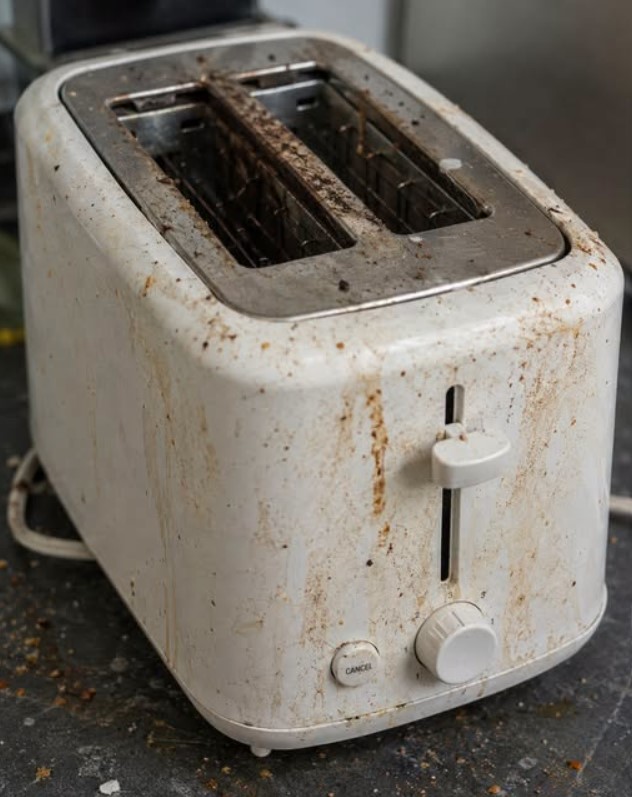
The toaster is one of the most frequently used appliances in many kitchens. Whether you’re preparing breakfast, making a quick snack, or toasting bread for dinner, it’s a convenient tool that most people use without giving it much thought. But while you may regularly wipe down your countertops and wash your dishes, your toaster is often forgotten during routine cleaning.
Over time, crumbs, grease, dust, and even moisture can accumulate inside and underneath the appliance. This buildup not only creates an unhygienic environment but can also increase the risk of unpleasant odors, smoke, and even kitchen fires. Understanding how your toaster gets dirty—and learning how to clean it properly—can help keep your kitchen safer and your food tasting better.
Why Toasters Become So Dirty
Unlike many kitchen appliances, a toaster has narrow slots and internal heating elements that make it difficult to see what is happening inside. Every time bread is toasted, tiny crumbs fall to the bottom of the appliance. Some remain in the crumb tray, while others settle in corners that are difficult to reach.
In addition to crumbs, small amounts of butter, sugar, cheese, pastry fillings, and other food particles may find their way into the toaster if items other than plain bread are inserted. Dust from the surrounding kitchen can also enter through the openings, adding to the buildup over time.
Without regular cleaning, these materials accumulate and create an environment that is far from clean.
Hidden Hygiene Concerns
Although a toaster’s heating elements become very hot during use, they do not keep every part of the appliance sterile. Areas away from the heating elements, such as the crumb tray and the bottom compartment, can collect food debris that remains there for weeks or even months.
This buildup may:
- Produce unpleasant burnt smells.
- Attract insects in some environments.
- Encourage mold growth if moisture is present.
- Transfer burnt particles onto freshly toasted bread.
While the risk of harmful bacteria surviving inside the hottest parts of the toaster is generally low, accumulated food debris can still affect cleanliness and overall kitchen hygiene.
A Serious Fire Hazard
One of the biggest dangers of a neglected toaster is the risk of fire.
Dry bread crumbs are highly flammable. As they continue to build up, they can come into contact with hot heating elements, causing smoke or even ignition. This risk increases if greasy food residue or sugary pastries have been toasted, as these materials burn more easily than plain bread.
If you’ve ever noticed your toaster smoking, producing a burning smell, or leaving black marks on your toast, accumulated debris could be the cause.
Regular cleaning helps reduce these risks and allows the appliance to operate more efficiently.
Signs Your Toaster Needs Cleaning
Your toaster may be overdue for maintenance if you notice any of the following:
- A burning smell during use.
- Excessive smoke while toasting.
- Toast that browns unevenly.
- Crumbs spilling onto the counter whenever the toaster is moved.
- Black residue appearing on freshly toasted bread.
- The crumb tray is full or difficult to remove because of compacted debris.
Ignoring these warning signs can shorten the life of the appliance and make it less safe to use.
How to Clean Your Toaster Safely
Cleaning a toaster only takes a few minutes but should always be done carefully.
Step 1: Unplug the Toaster
Always disconnect the appliance from the electrical outlet and allow it to cool completely before cleaning.
Step 2: Empty the Crumb Tray
Most modern toasters have a removable crumb tray. Slide it out, discard the crumbs, wash it with warm soapy water if needed, and dry it thoroughly before replacing it.
Step 3: Shake Out Loose Debris
Hold the toaster upside down over a trash bin and gently shake it to remove loose crumbs trapped inside. Avoid striking the appliance forcefully, as this may damage internal components.
Step 4: Clean the Exterior
Use a soft cloth dampened with mild soapy water to wipe the outside surfaces. Dry the appliance immediately with a clean towel.
Step 5: Never Insert Metal Objects
If food becomes stuck inside, resist the temptation to use a knife or fork to remove it. Even when unplugged, using metal objects can damage the heating elements. Instead, use a wooden or silicone utensil only after ensuring the toaster is unplugged and completely cool.
Tips to Keep Your Toaster Cleaner
A few simple habits can help reduce buildup:
- Empty the crumb tray regularly.
- Avoid placing heavily buttered bread or dripping foods directly into the toaster.
- Store the toaster in a clean, dry location.
- Wipe the exterior every week.
- Perform a deeper cleaning every month, especially if the toaster is used daily.
These small maintenance steps can extend the appliance’s lifespan while improving both safety and performance.
Common Mistakes to Avoid
Many people unintentionally damage their toasters by making simple mistakes, including:
- Cleaning while the appliance is still plugged in.
- Using excessive amounts of water.
- Spraying cleaning products directly inside the slots.
- Scraping the heating elements with metal utensils.
- Forgetting to dry the crumb tray before reinstalling it.
Avoiding these practices will help keep your toaster functioning properly for years.
Conclusion :
Your toaster may look clean on the outside, but hidden inside it can collect surprising amounts of crumbs, grease, dust, and food residue over time. Besides affecting the taste and quality of your toast, this buildup can create unpleasant odors and increase the risk of smoke or even fire.
Fortunately, keeping your toaster clean requires only a few minutes of regular maintenance. Emptying the crumb tray, removing trapped crumbs, and wiping down the appliance can make a significant difference in both hygiene and safety. By adding toaster cleaning to your regular kitchen routine, you can enjoy better-tasting toast, prolong the life of your appliance, and help create a cleaner, safer home.