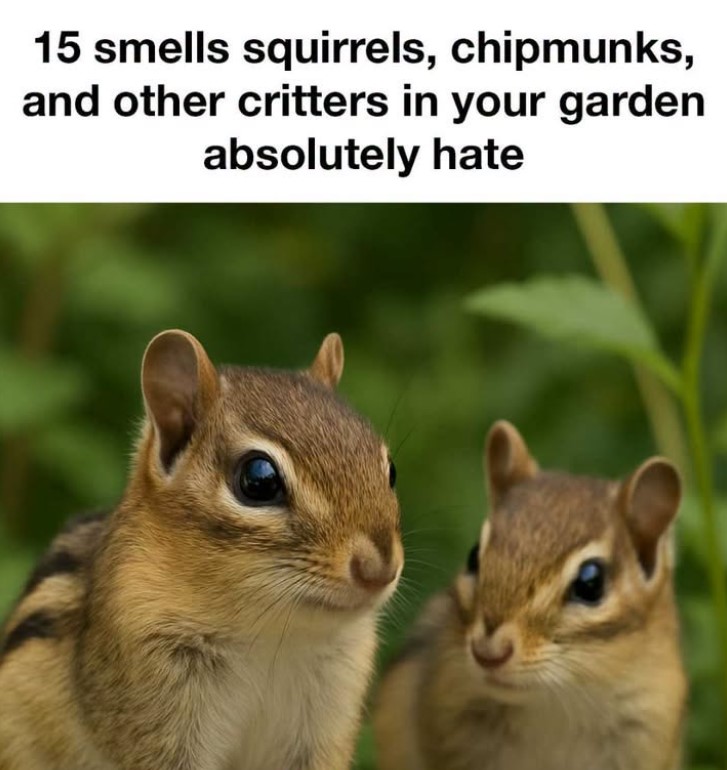
A thriving garden is a source of pride for many homeowners, but it can quickly become a favorite destination for squirrels, chipmunks, rabbits, and other curious wildlife. These small animals may look harmless, yet they often dig up flower bulbs, nibble on vegetables, steal seeds, and damage young plants in search of food or nesting materials.
While chemical repellents and traps are available, many gardeners prefer natural, eco-friendly methods that discourage pests without harming them. One of the simplest approaches is using scents that these animals naturally avoid. Because squirrels and chipmunks rely heavily on their sense of smell to locate food and detect danger, strong aromas can make your garden much less inviting.
Below are 15 natural scents that may help protect your garden while keeping it safe for your family, pets, and beneficial wildlife.
1. Peppermint Oil
Peppermint oil is one of the most popular natural repellents for squirrels and chipmunks. The strong menthol aroma overwhelms their sensitive noses, making treated areas less appealing.
To use it, soak cotton balls in peppermint essential oil and place them around flower beds, garden borders, bird feeders, or entry points. You can also dilute the oil with water and lightly spray it around non-edible plants. Since rain and sunlight reduce its effectiveness, refresh the scent every few days.
2. White Vinegar
The sharp smell of white vinegar can discourage many small animals from returning to your garden. It also helps mask scent trails that squirrels often use to revisit food sources.
Rather than pouring vinegar directly onto plants, soak a cloth or cotton ball and place it near problem areas. Reapply regularly, especially after rainfall.
3. Garlic
Garlic contains sulfur compounds that produce a powerful odor disliked by many garden pests.
Planting garlic around vegetable beds or sprinkling garlic powder near vulnerable plants can create a natural barrier. Homemade garlic sprays are another option for treating fences and garden edges.
4. Cayenne Pepper
The spicy scent of cayenne pepper is unpleasant to squirrels and chipmunks. Many gardeners sprinkle small amounts around flower beds, bulbs, and containers to discourage digging.
Because wind and rain remove the powder quickly, it should be reapplied frequently. Avoid placing it where pets may come into direct contact with large amounts.
5. Cinnamon
Cinnamon’s warm fragrance may be pleasant to people, but many rodents dislike its strong aroma.
Ground cinnamon or cinnamon essential oil can be used around planters, patios, and garden borders as part of a broader pest management strategy.
6. Eucalyptus
Eucalyptus oil produces an intense scent that can overwhelm the highly developed sense of smell of many small mammals.
Cotton balls soaked in diluted eucalyptus oil can be placed around gardens, sheds, or compost bins where wildlife activity is common.
7. Coffee Grounds
Used coffee grounds serve two purposes. Besides enriching compost and adding organic matter to soil, their strong aroma may discourage squirrels and chipmunks from digging in freshly planted beds.
Scatter cooled coffee grounds lightly around ornamental plants, but avoid excessive amounts, as they may affect soil conditions over time.
8. Citrus Peels
Fresh orange, lemon, grapefruit, and lime peels release fragrant oils that many garden pests find unpleasant.
Replace old peels regularly to maintain their effectiveness while adding a fresh scent to your outdoor space.
9. Rosemary
Rosemary is an attractive herb that provides culinary benefits while also producing a strong aroma that some animals prefer to avoid.
Growing rosemary near vegetable gardens or walkways may help reduce unwanted visits while providing fresh herbs for cooking.
10. Lavender
Lavender is loved for its calming fragrance and beautiful flowers, but its concentrated essential oils can discourage certain garden pests.
Planting lavender around borders creates an attractive landscape while contributing to a naturally scented barrier.
11. Clove Oil
Clove oil has a spicy fragrance that many small mammals find overwhelming.
When diluted properly, it can be applied to cotton balls and placed around outdoor structures, raised beds, or areas where animal activity is frequent.
12. Onions
Like garlic, onions release sulfur-rich compounds that produce a pungent smell.
Planting onions among vegetables or ornamental plants may help make your garden less attractive to curious wildlife while providing an edible crop.
13. Mint Plants
Instead of using only peppermint oil, consider growing mint directly in containers around your garden.
Its refreshing aroma may help deter pests while attracting pollinators. Since mint spreads aggressively, growing it in pots is usually the best option.
14. Predator Scents
Commercial products containing the scent of natural predators, such as foxes or coyotes, can sometimes convince squirrels and chipmunks that an area is unsafe.
These products generally require periodic reapplication and work best when combined with other deterrent methods.
15. Hot Pepper Sprays
Homemade sprays made with cayenne or other hot peppers can be applied to fences, planters, or non-edible surfaces to discourage chewing and digging.
Always test sprays on a small area first and avoid applying spicy mixtures directly to edible produce shortly before harvest.
Tips for Better Results
Natural scents work best when combined with other preventive measures. Consider these additional strategies:
- Remove fallen fruit, nuts, and spilled birdseed promptly.
- Keep compost bins securely closed.
- Install netting or wire mesh over vulnerable plants.
- Rotate different scents occasionally so animals do not become accustomed to one aroma.
- Reapply natural repellents after heavy rain or strong winds.
Understanding the Limitations
While scent-based repellents can reduce visits from squirrels and chipmunks, they are not guaranteed to eliminate the problem entirely. Hungry or determined animals may eventually ignore certain odors, particularly if food is readily available. The most effective approach combines natural scents with good garden maintenance, physical barriers, and eliminating easy food sources.
Conclusion :
Keeping squirrels, chipmunks, and other garden visitors away doesn’t always require harsh chemicals or expensive products. By taking advantage of natural scents such as peppermint, garlic, vinegar, citrus, lavender, and cayenne pepper, you can create a garden that is far less appealing to unwanted wildlife while remaining safe for your plants and the environment.
Although no single method offers a permanent solution, combining several natural deterrents with regular garden care can significantly reduce damage throughout the growing season. With a little patience and consistency, you can enjoy healthier plants, more successful harvests, and a beautiful outdoor space that thrives without relying on harmful pest-control methods.