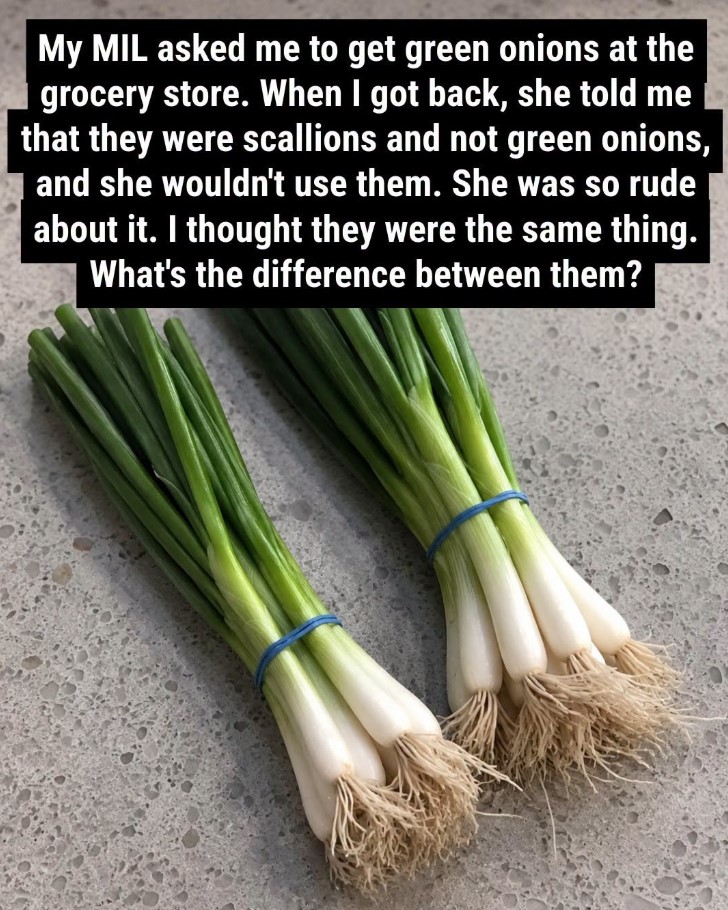
If you’ve ever stood in the produce aisle wondering whether green onions, scallions, spring onions, and chives are actually different, you’re not alone. These leafy vegetables all belong to the onion family, look somewhat similar, and are often used in the same types of recipes. To make things even more confusing, grocery stores and recipe writers sometimes use the names interchangeably.
While these vegetables share certain characteristics, each one has its own unique appearance, flavor, texture, and best culinary uses. Knowing the differences can help you choose the right ingredient for soups, salads, stir-fries, baked potatoes, omelets, and countless other dishes. It can also save you from accidentally buying the wrong item when following a recipe.
Let’s break down the differences between green onions, scallions, spring onions, and chives so you’ll never have to guess again.
Why the Confusion?
These vegetables all belong to the Allium family, which also includes:
- Bulb onions
- Garlic
- Shallots
- Leeks
Because they’re closely related and harvested at different stages of growth, their names are often mixed up. In some countries, the same plant may even be sold under different names depending on local traditions.
Although they have similarities, each one offers its own flavor and texture.
What Are Green Onions?
Green onions are young onions harvested before the bulb has fully developed.
They typically have:
- Long green hollow leaves
- Small white base
- Very little bulb formation
- Mild onion flavor
Nearly the entire plant is edible, from the white stem to the green tops.
Best Uses
Green onions are excellent for:
- Stir-fries
- Soups
- Fried rice
- Tacos
- Noodle dishes
- Egg recipes
- Garnishing baked potatoes
Both the white and green portions can be used in cooking.
What Are Scallions?
In many parts of the world, scallions and green onions are actually the same thing.
Scallions are harvested very early, before any significant bulb develops.
Characteristics include:
- Thin white stems
- Long green leaves
- Crisp texture
- Mild, fresh onion flavor
Most grocery stores label them as either “green onions” or “scallions,” but they’re generally interchangeable.
Green Onions vs. Scallions
For everyday cooking, there’s very little difference.
Both:
- Have no large bulb
- Taste mild
- Can be eaten raw or cooked
- Are used as garnishes
- Work well in salads and stir-fries
In most recipes, you can substitute one for the other without changing the final result.
What Are Spring Onions?
Spring onions are more mature than scallions.
Unlike scallions, they have had additional time to grow and begin forming a small round bulb at the base.
They feature:
- Thick green stalks
- Small onion bulb
- Stronger onion flavor
- Firmer texture
Because of their larger bulb, spring onions have a richer taste than scallions.
Best Ways to Use Spring Onions
Spring onions are delicious when:
- Roasted whole
- Grilled
- Sautéed
- Added to soups
- Cooked with vegetables
- Used in savory pies
Their bulb becomes sweet and tender when cooked.
What Are Chives?
Chives are quite different from the other three.
Instead of thick hollow stalks, chives have:
- Very thin green leaves
- Grass-like appearance
- Delicate texture
- Mild onion flavor
Unlike green onions or spring onions, chives do not develop a noticeable white bulb.
Popular Uses for Chives
Chives are usually added at the end of cooking.
They’re commonly sprinkled over:
- Baked potatoes
- Scrambled eggs
- Cream cheese
- Soups
- Salads
- Pasta
- Seafood
- Dips
Because they’re delicate, prolonged cooking can reduce their flavor.
Flavor Comparison
Each member of the onion family offers a slightly different taste.
Chives
- Mildest
- Slightly sweet
- Delicate
Scallions
- Fresh
- Crisp
- Mild onion flavor
Green Onions
- Similar to scallions
- Slightly stronger depending on maturity
Spring Onions
- Richest onion flavor
- Sweeter bulb when cooked
- More pronounced taste
Choosing the right one depends on how much onion flavor you want in your dish.
Nutritional Benefits
Although they’re often used in small amounts, these vegetables provide valuable nutrients.
They contain:
- Vitamin A
- Vitamin C
- Vitamin K
- Folate
- Fiber
- Antioxidants
Their natural plant compounds may also support overall health as part of a balanced diet.
Can They Be Substituted?
In many recipes, yes.
Good substitutions include:
- Green onions ↔ Scallions
- Scallions ↔ Young spring onions
However, chives have a much finer texture and are best used as a garnish rather than as the main onion ingredient.
Likewise, mature spring onions have a stronger flavor and may slightly change the taste of delicate dishes.
Growing Them at Home
One reason these vegetables are so popular is that they’re easy to grow.
Many gardeners simply place the white roots of green onions or scallions in a glass of water.
Within days:
- New green shoots appear.
- The leaves continue growing.
- They can be harvested multiple times.
Chives are also easy to grow in pots and return year after year in many climates.
Buying Tips
When shopping, look for vegetables with:
- Bright green leaves
- Firm white stems
- Fresh roots
- No yellowing
- No slimy texture
- Crisp appearance
Fresh onions provide the best flavor and longest storage life.
Storage Tips
To keep them fresh longer:
- Wrap them loosely in a damp paper towel.
- Store inside a plastic bag in the refrigerator.
- Use within one week for the best flavor.
Chives can also be chopped and frozen for later use.
Which One Should You Choose?
Your choice depends on the recipe.
Choose:
- Scallions or green onions for everyday cooking and garnishes.
- Spring onions when you want a richer onion flavor and a tender bulb.
- Chives when you need a delicate finishing touch with a mild onion taste.
Each one brings its own unique character to the kitchen.
Conclusion :
Although green onions, scallions, spring onions, and chives all belong to the same plant family, they each have unique characteristics that make them suitable for different culinary purposes. Green onions and scallions are nearly identical and can usually be used interchangeably, offering a mild, fresh onion flavor that’s perfect for salads, stir-fries, soups, and garnishes. Spring onions, with their more developed bulbs, provide a richer and slightly sweeter onion taste, especially when cooked. Chives, on the other hand, are delicate herbs with a subtle flavor that shine as a finishing garnish rather than a primary ingredient.
Understanding these differences can make cooking easier and help you achieve the flavor and texture your recipes are meant to have. Instead of feeling confused in the grocery store or wondering whether you’ve purchased the right ingredient, you’ll be able to confidently select the best option for each meal. Even though these vegetables are closely related, their differences become noticeable once you know what to look for.
The next time a recipe calls for one of these versatile ingredients, you’ll know exactly why it was chosen and how it contributes to the finished dish. Whether you’re preparing a quick weeknight dinner, a fresh salad, or an elegant brunch, choosing the right member of the onion family can enhance both the flavor and presentation of your meal. Sometimes the smallest ingredients make the biggest difference in the kitchen.