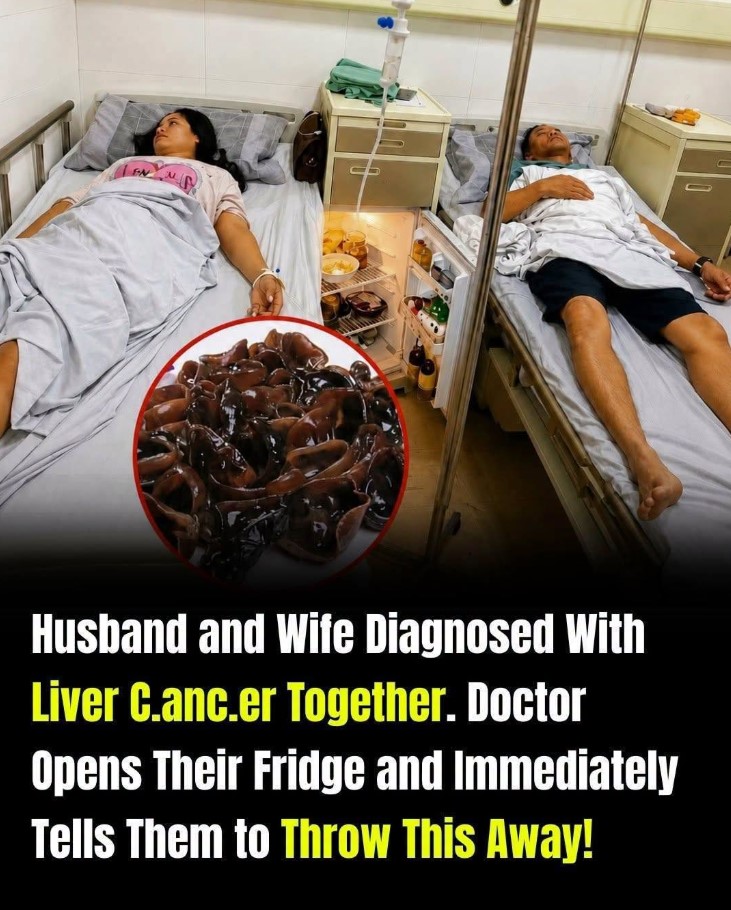
Food is meant to nourish and protect our health, but when it is stored improperly or allowed to spoil, it can sometimes become a source of harmful bacteria, molds, or toxins. While most cases of foodborne illness result in temporary digestive discomfort, long-term exposure to certain contaminants has been linked to more serious health conditions, including liver damage and, in some cases, an increased risk of liver cancer. The reported story of a husband and wife who were both diagnosed with liver cancer has sparked conversations about the importance of safe food storage and kitchen hygiene. Although every case of liver cancer is different and no single food is responsible for all diagnoses, the story serves as an important reminder that the way we store and prepare food plays a vital role in protecting our health.
Understanding Liver Cancer
The liver is one of the body’s most important organs. It filters toxins from the blood, produces bile to aid digestion, stores essential nutrients, and helps regulate metabolism. When healthy liver cells begin growing uncontrollably, liver cancer can develop.
Primary liver cancer begins in the liver itself, while secondary liver cancer spreads from another part of the body. One of the most common forms of primary liver cancer is hepatocellular carcinoma (HCC), which accounts for the majority of cases worldwide.
According to health experts, liver cancer often develops over many years and is associated with several well-established risk factors rather than a single cause.
Common Risk Factors for Liver Cancer
Although alarming headlines often point to one specific food or household habit, liver cancer usually results from multiple factors working together over time.
Some of the most significant risk factors include:
- Chronic hepatitis B infection.
- Chronic hepatitis C infection.
- Liver cirrhosis.
- Heavy alcohol consumption.
- Non-alcoholic fatty liver disease.
- Obesity and type 2 diabetes.
- Smoking.
- Exposure to aflatoxins, toxic substances produced by certain molds that can grow on improperly stored foods.
Understanding these risks helps put sensational stories into proper perspective.
Why Food Storage Matters
Proper food storage does far more than keep meals fresh—it helps prevent the growth of bacteria, fungi, and molds that can produce harmful substances.
Warm temperatures, excessive moisture, poor ventilation, and long storage periods create ideal conditions for spoilage. Foods that are forgotten in the back of the refrigerator or stored improperly in pantries may become unsafe even if they don’t immediately appear spoiled.
Maintaining good food safety habits reduces the risk of food poisoning and limits exposure to contaminants that could affect long-term health.
The Hidden Danger of Mold
One of the greatest concerns involving improperly stored food is mold.
While many molds are harmless, certain species of Aspergillus can produce compounds known as aflatoxins. These toxins most commonly contaminate foods such as:
- Peanuts.
- Corn.
- Rice.
- Wheat.
- Tree nuts.
- Certain spices.
- Dried fruits.
- Animal feed.
Long-term exposure to high levels of aflatoxins has been associated with an increased risk of liver cancer, particularly among people who also have chronic hepatitis B infection. Fortunately, food safety regulations in many countries help monitor commercial food supplies to reduce this risk.
Foods That Should Never Be Eaten After Mold Appears
Many people simply cut away the visible mold and continue eating the remaining portion.
However, this is not always safe.
Soft foods should generally be discarded if mold appears, including:
- Soft cheeses.
- Yogurt.
- Bread with extensive mold.
- Cooked leftovers.
- Soft fruits.
- Jam or jelly with mold.
- Deli meats.
Because mold roots can spread beneath the visible surface, removing only the discolored area may not eliminate contamination.
Some hard foods can occasionally be salvaged by cutting well beyond the moldy area, but when in doubt, throwing the food away is the safest option.
Refrigerator Habits That Promote Food Safety
A clean refrigerator is one of the simplest ways to reduce food safety risks.
Experts recommend:
- Keeping refrigerator temperatures at or below 40°F (4°C).
- Freezing foods at 0°F (-18°C).
- Cleaning spills immediately.
- Labeling leftovers with dates.
- Discarding leftovers after three to four days if not frozen.
- Avoiding overcrowding so cold air can circulate properly.
- Checking expiration dates regularly.
Small maintenance habits can prevent bacteria and mold from multiplying.
Other Kitchen Practices That Help Prevent Contamination
Food safety begins long before leftovers reach the refrigerator.
Helpful habits include:
- Washing hands before preparing food.
- Using separate cutting boards for raw meat and vegetables.
- Cooking meats to safe internal temperatures.
- Refrigerating perishable foods within two hours.
- Washing fresh produce thoroughly under running water.
- Avoiding cross-contamination between raw and cooked foods.
Together, these simple practices dramatically reduce the likelihood of foodborne illness.
Early Signs of Liver Problems
Liver disease often develops silently during its early stages.
Possible warning signs include:
- Persistent fatigue.
- Unexplained weight loss.
- Loss of appetite.
- Abdominal discomfort.
- Yellowing of the skin or eyes (jaundice).
- Dark urine.
- Pale-colored stools.
- Swelling in the abdomen.
- Easy bruising.
These symptoms have many possible causes and do not necessarily indicate liver cancer, but they should always be evaluated by a healthcare professional if they persist.
Protecting Your Liver Every Day
Keeping your liver healthy involves much more than food storage alone.
Experts recommend:
- Limiting alcohol consumption.
- Maintaining a healthy body weight.
- Staying physically active.
- Getting vaccinated against hepatitis B when appropriate.
- Seeking treatment for hepatitis infections.
- Managing diabetes and cholesterol.
- Avoiding unnecessary use of medications that may harm the liver.
- Eating a balanced diet rich in fruits, vegetables, whole grains, and lean proteins.
These habits support overall liver health throughout life.
Separating Facts From Viral Claims
Stories shared on social media often suggest that one specific food or kitchen mistake directly caused a serious illness. In reality, liver cancer is a complex disease influenced by genetics, lifestyle, viral infections, environmental exposures, and long-term health conditions.
While improper food storage can increase exposure to harmful bacteria or mold toxins, it should not be viewed as the sole explanation for every case of liver cancer. Maintaining good food safety practices is an important preventive measure, but regular medical care and healthy lifestyle choices remain equally important.
When to Seek Medical Advice
If you experience persistent digestive symptoms, unexplained fatigue, jaundice, abdominal swelling, or significant weight loss, it’s important to consult a healthcare provider promptly.
People with chronic hepatitis B or C, cirrhosis, or other liver conditions should also attend regular medical checkups, as early detection greatly improves treatment options for many liver diseases.
Conclusion
The reported story of a couple diagnosed with liver cancer reminds us that protecting our health often begins with everyday habits. Proper food storage, careful handling of leftovers, and avoiding spoiled or moldy foods are simple yet valuable steps that reduce the risk of foodborne illness and limit exposure to potentially harmful contaminants. At the same time, it’s important to remember that liver cancer has many established risk factors, and no single food or household mistake explains every diagnosis. By practicing good kitchen hygiene, maintaining a healthy lifestyle, and seeking medical attention for persistent symptoms, you can take meaningful steps toward supporting your liver and your overall well-being.