Discovering a small lump or bump inside your mouth can be unsettling. Whether it appears on the tongue, gums, lips, inside the cheek, or the floor of the mouth, it’s natural to wonder what caused it and whether it’s something serious. In many cases, these growths are harmless and result from minor irritation, blocked salivary glands, accidental bites, or common oral conditions. However, some lumps may signal infections or, in rare cases, more serious health problems that require prompt medical evaluation.
Because many oral conditions look similar in their early stages, it’s important not to jump to conclusions based on appearance alone. A smooth, painless bump may disappear on its own, while another that seems equally harmless could require treatment. Paying attention to changes in size, color, texture, and duration can help determine when it’s time to seek professional advice.
This article explores some of the most common causes of mouth lumps, the warning signs that shouldn’t be ignored, available treatment options, and simple steps you can take to maintain good oral health.
Why Do Lumps Form in the Mouth?
The tissues inside the mouth are constantly exposed to friction, bacteria, food, and temperature changes.
As a result, lumps can develop for many different reasons, including:
- Minor injuries
- Blocked salivary glands
- Viral infections
- Bacterial infections
- Benign growths
- Cysts
- Allergic reactions
- Inflammatory conditions
Fortunately, many of these conditions are temporary and respond well to treatment.
Common Causes of Mouth Lumps
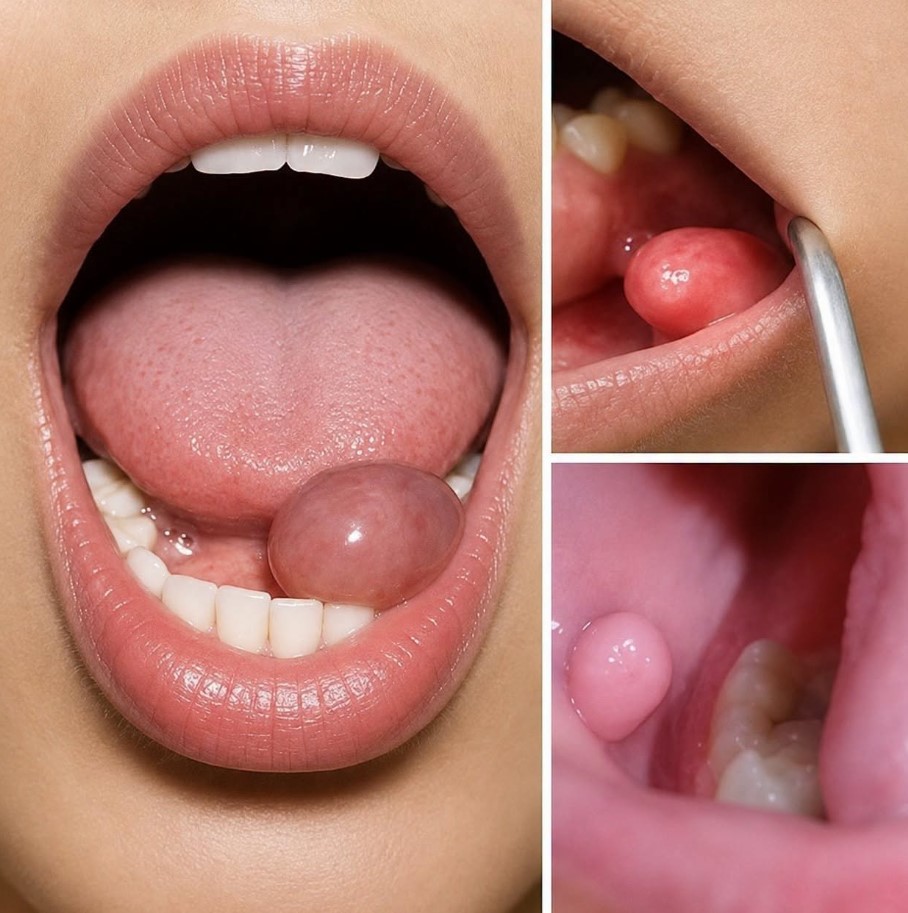
Mucocele (Mucous Cyst)
One of the most common harmless mouth lumps is a mucocele.
These soft, fluid-filled bumps develop when a salivary gland becomes blocked or injured.
They often appear:
- Inside the lower lip
- Under the tongue
- Inside the cheeks
Mucoceles may look clear, bluish, or pink and often feel smooth.
Many disappear on their own, although persistent cases may require treatment.
Irritation Fibroma
A fibroma is a firm, non-cancerous lump caused by repeated irritation.
Common sources include:
- Accidentally biting the cheek
- Rough teeth
- Poorly fitting dentures
- Dental appliances
These growths usually grow slowly and are often painless.
Canker Sores
Although canker sores are ulcers rather than true lumps, swelling around them may create the appearance of a raised bump.
Symptoms often include:
- Pain
- Burning
- Difficulty eating acidic foods
Most heal within one to two weeks.
Salivary Gland Stones
Sometimes minerals build up inside the ducts that carry saliva.
This blockage may cause:
- Swelling
- Tenderness
- Dry mouth
- Pain during meals
Treatment depends on the size and location of the stone.
Viral Infections
Certain viruses may produce small growths inside the mouth.
Examples include:
- Oral warts
- Cold sores
- Other viral lesions
A healthcare professional can determine the specific cause.
Could It Be an Infection?
Yes.
Some bacterial infections produce swollen areas that resemble lumps.
Possible symptoms include:
- Redness
- Pain
- Pus
- Fever
- Swollen lymph nodes
Dental abscesses are one example that requires prompt professional treatment.
Benign Growths
Not every mouth lump is caused by injury or infection.
Several non-cancerous growths may develop naturally over time.
Examples include:
- Lipomas (fatty growths)
- Fibromas
- Papillomas
- Certain cysts
Although benign, these should still be evaluated if they continue growing.
When Should You Be Concerned?
Many harmless mouth lumps disappear within two weeks.
However, some warning signs deserve medical attention.
Seek evaluation if the lump:
- Persists longer than two weeks.
- Continues growing.
- Bleeds easily.
- Becomes increasingly painful.
- Feels unusually firm.
- Interferes with eating or speaking.
- Causes difficulty swallowing.
- Appears alongside unexplained weight loss.
- Is associated with persistent numbness.
These symptoms don’t necessarily indicate a serious illness, but they do warrant professional assessment.
Could It Be Oral Cancer?
While most mouth lumps are not cancer, persistent or unusual growths should never be ignored.
Possible warning signs include:
- Non-healing sores
- White patches
- Red patches
- Persistent lumps
- Thickened tissue
- Difficulty moving the tongue
- Ongoing pain
Early diagnosis greatly improves treatment outcomes, making timely evaluation especially important.
Risk Factors for Oral Health Problems
Certain factors increase the likelihood of developing oral diseases.
These include:
- Tobacco use
- Heavy alcohol consumption
- Poor oral hygiene
- Long-term sun exposure affecting the lips
- Certain viral infections
- Chronic irritation
Reducing these risks can improve overall oral health.
How Dentists Evaluate Mouth Lumps
A dentist or physician typically begins with a thorough examination.
They may ask:
- When did you first notice it?
- Has it changed in size?
- Does it hurt?
- Have you injured the area recently?
- Have you experienced similar lumps before?
Depending on the findings, additional testing may be recommended.
Possible Diagnostic Tests
If needed, your healthcare provider may perform:
- Physical examination
- Dental X-rays
- Imaging studies
- Salivary gland evaluation
- Biopsy
A biopsy involves removing a small sample of tissue for laboratory analysis when necessary.
Treatment Depends on the Cause
Because mouth lumps have many possible causes, treatment varies.
Options may include:
Observation
Many small cysts and minor injuries heal naturally.
Medication
Infections may require:
- Antibiotics (for bacterial infections)
- Antiviral medications (for certain viral conditions)
- Anti-inflammatory treatments
Minor Surgical Removal
Persistent cysts, fibromas, or benign growths may be removed through a simple outpatient procedure.
Dental Treatment
If the problem originates from a tooth or dental appliance, correcting the underlying cause often resolves the issue.
Tips for Maintaining Good Oral Health
Healthy daily habits reduce the risk of many oral problems.
Consider these practices:
- Brush twice daily with fluoride toothpaste.
- Floss every day.
- Visit your dentist regularly.
- Stay hydrated.
- Avoid tobacco products.
- Limit excessive alcohol consumption.
- Wear protective gear during sports.
- Eat a balanced diet rich in fruits and vegetables.
Good oral hygiene benefits both your mouth and your overall health.
Avoid Self-Diagnosis
The internet can provide helpful educational information, but photographs alone cannot confirm the cause of a mouth lump.
Many conditions look remarkably similar.
Attempting to diagnose yourself may delay appropriate treatment if the problem turns out to be more serious.
Whenever a lump persists or causes concern, a healthcare professional is the best source of guidance.
Don’t Ignore Changes
Many oral conditions are easiest to treat when detected early.
Make a habit of occasionally checking your mouth for:
- New lumps
- Persistent sores
- Color changes
- Swelling
- Bleeding
- Areas that don’t heal
Early attention often leads to simpler treatment and better outcomes.
Conclusion :
Finding a small lump inside your mouth can certainly be alarming, but it’s important to remember that most oral lumps are caused by harmless conditions such as mucoceles, irritation from accidental bites, blocked salivary glands, or other benign growths. In many cases, these bumps resolve on their own or can be treated easily once the underlying cause is identified. Rather than assuming the worst, the best approach is to observe the area carefully while maintaining good oral hygiene and monitoring for any changes.
At the same time, it’s equally important not to ignore a lump that persists, grows, bleeds, or is accompanied by pain, difficulty swallowing, or other concerning symptoms. While these signs do not automatically indicate a serious condition, they should be evaluated by a dentist or healthcare provider. Early assessment can help identify infections, cysts, or, in less common cases, conditions that require prompt treatment. When it comes to oral health, early detection often leads to better outcomes and more straightforward care.
Your mouth provides valuable clues about your overall health, making regular dental checkups and self-awareness important parts of preventive care. If you notice a new lump that doesn’t improve within two weeks or simply doesn’t seem right, don’t hesitate to seek professional advice. A timely examination can provide reassurance, identify the cause, and ensure you receive the most appropriate treatment if it’s needed.