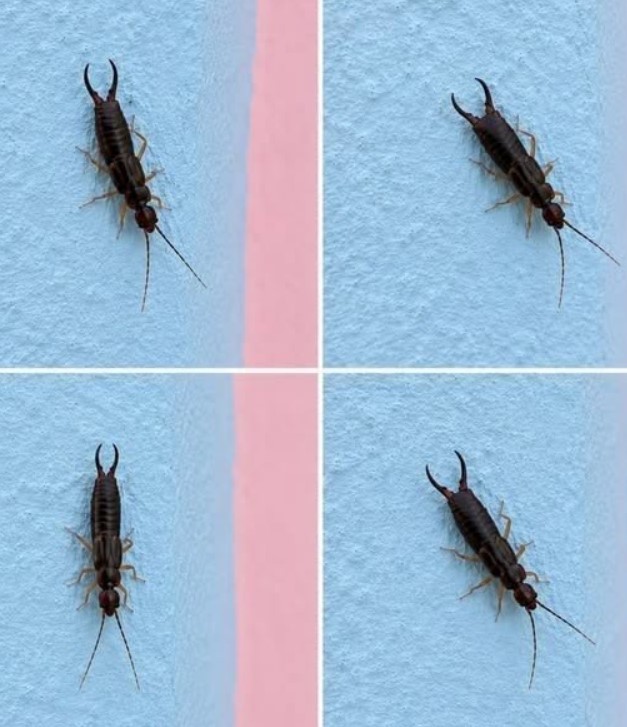
Spotting an unfamiliar insect crawling across your kitchen counter or pantry shelf can be enough to make anyone uneasy. While some household bugs are simply accidental visitors that wander indoors, others may be trying to tell you something important about the conditions inside your home. One tiny insect that often surprises homeowners is the earwig, recognizable by the pair of curved pincers, called cerci, at the end of its abdomen. Its unusual appearance has led to many myths and misunderstandings, causing some people to believe it is dangerous or even poisonous.
The truth is that earwigs are generally harmless to humans, but finding one—or several—inside your kitchen can indicate that conditions are attracting moisture-loving insects. Although earwigs don’t usually infest stored food like pantry pests such as weevils or grain beetles, their presence can signal excess humidity, hidden entry points, or nearby food debris that should be addressed. Knowing why they appear, where they hide, and how to remove them safely can help you prevent future visits without unnecessary worry.
Let’s explore what these tiny insects are, why they may have entered your kitchen, and the practical steps you can take to keep them from coming back.
What Is This Tiny Bug?
The insect shown in the photo is an earwig.
Earwigs are easy to recognize by their:
- Long, narrow bodies
- Brown to dark reddish coloring
- Long antennae
- Six legs
- Distinctive pincers at the end of the abdomen
Although those pincers may look intimidating, they are mainly used for defense, capturing prey, and mating rather than attacking people.
Do Earwigs Really Crawl Into People’s Ears?
One of the oldest myths surrounding earwigs is that they crawl into sleeping people’s ears.
Fortunately, this story has no scientific basis.
Earwigs do not seek out human ears, lay eggs inside them, or burrow into the brain.
Like most insects, they prefer quiet, damp hiding places—not people.
Why Would an Earwig Be Inside Your Kitchen?
Finding one earwig indoors doesn’t necessarily mean you have an infestation.
However, kitchens often provide conditions that attract them.
Common reasons include:
- High humidity
- Water leaks
- Damp cabinets
- Food crumbs
- Pet food
- Easy access from outdoors
- Cracks around doors and windows
If several earwigs appear regularly, it’s worth investigating these conditions.
Should You Check Your Pantry?
Yes—but not because earwigs usually eat stored dry goods.
Instead, checking your pantry is a good opportunity to ensure there aren’t other pests present.
Look for signs of:
- Open food packages
- Moisture damage
- Mold
- Grain beetles
- Weevils
- Pantry moths
Keeping pantry shelves clean benefits overall household hygiene regardless of the insect you found.
What Do Earwigs Eat?
Earwigs are opportunistic feeders.
Their diet may include:
- Decaying plant material
- Soft fruits
- Vegetables
- Small insects
- Insect eggs
- Fungi
- Algae
Inside homes, they may also feed on crumbs or organic debris when available.
Where Do Earwigs Hide?
During daylight hours, earwigs usually stay hidden.
Common hiding places include:
- Under sinks
- Behind appliances
- Inside cardboard boxes
- Under flower pots
- Damp basements
- Crawl spaces
- Laundry rooms
- Bathroom cabinets
At night, they become more active while searching for food.
Are Earwigs Dangerous?
In most cases, no.
Earwigs are not poisonous.
They do not spread disease in the way that some household pests can.
Although they can pinch with their pincers if handled roughly, the pinch is usually mild and rarely breaks the skin.
Most people experience no injury beyond brief discomfort.
Why Moisture Matters
Moisture is one of the biggest factors attracting earwigs indoors.
Consider checking for:
- Leaky pipes
- Condensation
- Damp insulation
- Poor ventilation
- Wet dishcloths
- Standing water beneath sinks
Reducing excess moisture often makes your home much less inviting to these insects.
How Do They Get Inside?
Earwigs can enter through surprisingly small openings.
Common entry points include:
- Gaps beneath doors
- Cracks in foundations
- Window frames
- Utility pipe openings
- Garage doors
- Torn window screens
Sealing these areas helps reduce many types of household pests—not just earwigs.
Simple Steps to Remove Earwigs
If you find only one or two, removal is usually straightforward.
You can:
- Vacuum them up.
- Sweep them outside.
- Capture them with a tissue or container.
- Dispose of them outdoors.
Avoid crushing insects directly on food-preparation surfaces.
Clean the area afterward with household cleaner.
Keeping Your Kitchen Less Attractive
Regular cleaning makes a significant difference.
Helpful habits include:
- Wipe counters daily.
- Sweep floors frequently.
- Store dry foods in airtight containers.
- Empty trash regularly.
- Clean beneath appliances.
- Repair plumbing leaks promptly.
These practices discourage many household pests.
Outdoor Prevention
Since earwigs normally live outdoors, reducing populations near your home can help.
Consider:
- Removing piles of wet leaves.
- Keeping mulch away from the foundation.
- Trimming vegetation touching exterior walls.
- Moving firewood away from the house.
- Improving yard drainage.
Creating a drier environment around your home reduces hiding places.
Natural Control Methods
Many homeowners prefer non-chemical approaches first.
Some options include:
- Sticky traps
- Diatomaceous earth (used according to label directions)
- Reducing humidity
- Eliminating outdoor hiding spots
These methods often work well for occasional visitors.
When to Consider Professional Help
If you notice:
- Large numbers appearing indoors,
- Continuous activity despite cleaning,
- Moisture problems you can’t locate,
- Multiple types of insects,
a licensed pest-control professional can identify the source and recommend appropriate treatment.
Other Bugs That May Be Mistaken for Earwigs
Several insects look somewhat similar.
Examples include:
- Rove beetles
- Certain small cockroaches
- Ground beetles
- Some species of crickets
The curved pincers on the rear of the body are what most clearly distinguish earwigs.
Why You Should Stay Calm
Finding a strange insect in your kitchen is never pleasant, but panic usually isn’t necessary.
A single earwig often enters accidentally through an open door or small crack.
Even several earwigs usually indicate a moisture issue rather than a serious health hazard.
A careful inspection and a few preventive measures are often enough to solve the problem.
Good Household Habits Prevent Many Pests
Whether dealing with earwigs or other insects, these habits provide long-term protection:
- Inspect food packages regularly.
- Keep storage areas dry.
- Seal cracks around the home.
- Reduce clutter.
- Fix water leaks promptly.
- Clean food spills immediately.
- Store pantry goods in sealed containers.
These simple routines make your home less attractive to many unwanted visitors.
Conclusion :
Seeing an earwig in your kitchen can certainly catch you off guard, especially because of its unusual appearance and the long-standing myths surrounding this harmless insect. Fortunately, earwigs are not dangerous to people, do not intentionally crawl into human ears, and are not considered significant carriers of disease. In many cases, finding one indoors simply means it wandered inside while searching for moisture or shelter. However, if you begin noticing them regularly, it may be a sign that your home has excess humidity, hidden entry points, or areas that could benefit from better cleaning and maintenance.
Checking your pantry is still a smart idea—not because earwigs typically infest dry foods, but because it’s an opportunity to inspect for moisture, clean up crumbs, and ensure no other pantry pests are present. Maintaining a dry, tidy kitchen, storing food in airtight containers, repairing leaks, and sealing cracks around doors and windows are some of the most effective ways to discourage earwigs and many other household insects.
The key is to respond calmly and focus on prevention rather than fear. Most earwig encounters can be resolved with simple housekeeping measures and minor home maintenance. By understanding what attracts these insects and addressing those conditions early, you can keep your kitchen cleaner, protect your pantry, and enjoy greater peace of mind knowing your home is less inviting to unwanted pests.