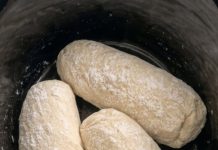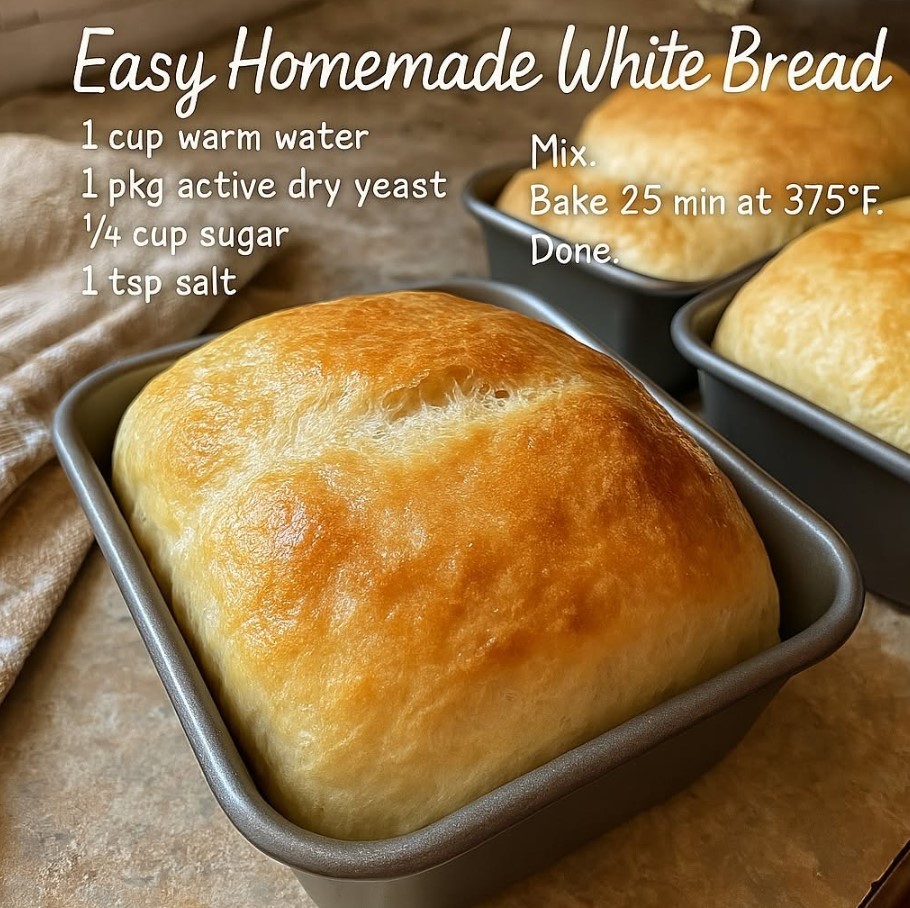
There is something special about the smell of homemade bread filling the kitchen. This Amish white bread recipe makes two soft, fluffy loaves with a lightly sweet flavor and a tender texture that works beautifully for breakfast, sandwiches, toast, or simply spreading with butter while the bread is still slightly warm.
The recipe uses basic ingredients that are easy to keep in the pantry, and you don’t need complicated bread-making equipment. The most important parts are giving the yeast enough time to activate, kneading the dough properly, and allowing it to rise until it has doubled in size. Once those steps are done, the rest is straightforward.
If you are new to baking bread, this is a particularly good recipe to try because the dough is forgiving and the process is simple enough to follow at home. The finished loaves are soft inside, lightly golden on top, and wonderfully fresh compared with packaged bread.
Why You’ll Love This Amish White Bread Recipe
One of the best things about this bread is its texture. The inside is soft and tender, while the crust develops a pleasant golden finish during baking. The slight sweetness from the sugar also gives the bread a comforting homemade flavor without making it taste like a dessert.
Another advantage is the ingredient list. You only need warm water, sugar, active dry yeast, salt, vegetable oil, and flour. The original recipe uses bread flour, although all-purpose flour can also be used. Bread flour gives the finished loaves a somewhat chewier texture.
This recipe also makes two loaves, which is convenient if you want one loaf for the week and another to freeze for later.
Ingredients :
- 2 cups warm water, about 110°F to 115°F
- 2/3 cup white sugar
- 1 1/2 tablespoons active dry yeast
- 1 1/2 teaspoons salt
- 1/4 cup vegetable oil
- 5 1/2 to 6 cups bread flour
You can substitute all-purpose flour for the bread flour if that is what you have available. For a richer flavor, melted butter can be used instead of vegetable oil.
How to Make Amish White Bread
1. Activate the Yeast
Begin by placing the warm water in a large mixing bowl. The water should be warm but not hot, ideally around 110°F to 115°F.
Add the sugar and stir until it dissolves. Sprinkle the active dry yeast over the surface of the water and let the mixture sit for about 5 to 10 minutes.
The yeast should become foamy or bubbly. This is a good indication that it has activated properly and is ready to use.
Avoid using water that is too hot because excessive heat can damage the yeast and prevent the dough from rising properly.
2. Prepare the Dough
Once the yeast mixture is ready, stir in the salt and vegetable oil.
Add approximately half of the flour, about 3 cups, and mix until the ingredients begin to form a smooth dough.
Continue adding the remaining flour gradually, about one cup at a time. You may not need exactly the same amount every time because flour absorbs moisture differently depending on the environment.
The dough should begin pulling away from the sides of the bowl. It can still feel slightly sticky at this stage, but it should not be extremely wet.
3. Knead the Dough
Transfer the dough onto a lightly floured surface.
Knead it for approximately 7 to 10 minutes. Push the dough forward with the heel of your hand, fold it back toward you, turn it slightly, and repeat.
As you continue kneading, the dough should become smoother and more elastic.
Try not to add too much extra flour. A small amount may be necessary if the dough is excessively sticky, but adding large amounts can make the finished bread dense rather than soft.
4. Let the Dough Rise
Lightly oil a large bowl and place the kneaded dough inside.
Turn the dough once so that its surface is lightly coated with oil. This helps prevent it from sticking to the bowl as it rises.
Cover the bowl with a clean kitchen towel or plastic wrap and place it somewhere warm.
Allow the dough to rise until it has approximately doubled in size. This usually takes around one hour, although the exact time can vary depending on the temperature of your kitchen.
If your kitchen is particularly cool, the dough may need more time.
5. Shape the Loaves
Once the dough has doubled, gently punch it down to release some of the accumulated air.
Divide the dough into two equal portions.
Shape each portion into a loaf that will fit comfortably inside a greased 9-by-5-inch loaf pan.
Place each shaped loaf into its pan, then cover them again and allow the dough to rise for approximately 30 minutes.
The dough should rise until it reaches roughly an inch above the top of the loaf pans.
6. Bake the Bread
While the dough is completing its second rise, preheat your oven to 350°F (175°C).
Place the risen loaves in the oven and bake for approximately 25 to 30 minutes.
The tops should become golden brown, and the loaves should sound hollow when gently tapped.
For a softer, slightly richer crust, you can brush the tops with a little melted butter immediately after taking the bread from the oven.
7. Cool Before Slicing
Allow the loaves to cool in their pans for about 10 minutes.
Then carefully remove them from the pans and transfer them to a wire rack.
Although it can be tempting to slice the bread immediately, allowing it to cool completely makes it much easier to cut neat slices without crushing the soft interior.
A serrated bread knife works especially well for slicing homemade bread.
Helpful Tips for the Best Amish White Bread
Make Sure Your Water Is Not Too Hot
Yeast needs warmth, but very hot water can prevent it from working properly. Aim for approximately 110°F to 115°F when activating the yeast.
Don’t Add Too Much Flour
It is normal for freshly mixed dough to feel slightly sticky. Add flour gradually rather than automatically using the full amount.
Too much flour can produce a heavy loaf instead of the soft texture you’re looking for.
Give the Dough Enough Time to Rise
The rising process is essential. If your kitchen is cold, don’t worry if the dough takes longer than an hour to double.
Watch the dough rather than relying only on the clock. Its size is a better indicator of when it is ready.
Use Bread Flour for a Slightly Chewier Texture
Bread flour is recommended in the original recipe, but all-purpose flour can also work. Bread flour generally gives the loaves a somewhat chewier structure.
Try Melted Butter Instead of Oil
Vegetable oil keeps the bread soft, while melted butter can add a richer flavor. If you prefer a more buttery loaf, this is an easy substitution.
Easy Variations
This basic bread can also be adapted to suit different tastes.
For a slightly sweeter loaf, you can add a little honey or maple syrup to the dough.
For a sweet breakfast-style variation, consider adding cinnamon and raisins.
If you prefer a more textured loaf, seeds can be incorporated into the dough for extra flavor and crunch.
These additions are optional, so the original recipe remains an excellent choice when you want a simple everyday white bread.
How to Store Homemade Amish White Bread
Once the bread has cooled completely, wrap it tightly or place it in an airtight container.
At room temperature, the bread can stay fresh for approximately 3 to 4 days when properly stored.
If you have more bread than you can eat during that time, freezing is a great option. Wrap the cooled loaf tightly in plastic wrap and then in foil before placing it in the freezer. The source recommends freezing it for up to three months.
When you’re ready to use it, allow the loaf to thaw at room temperature.
What to Serve With Amish White Bread
Fresh homemade white bread is incredibly versatile.
For breakfast, serve toasted slices with butter, jam, honey, or your favorite fruit spread. It also makes an excellent base for sandwiches because the soft crumb works well with both savory and sweet fillings.
You can also use slices for French toast, grilled cheese sandwiches, or simple toast with eggs.
And sometimes, the best way to enjoy homemade bread is simply to eat a warm slice with a little butter.
Can You Knead the Dough in a Stand Mixer?
Yes. Although the dough can be kneaded by hand, a stand mixer fitted with a dough hook can make the process easier.
The original recipe’s reader discussion also notes that a bread machine can be used on a dough-only setting, followed by shaping and rising in loaf pans before baking.
Final Thoughts
This Amish white bread recipe is a wonderful example of how a handful of simple ingredients can turn into something that feels special. The process takes some patience because the dough needs time to rise, but there is nothing overly complicated about making it.
The combination of warm water, yeast, sugar, flour, salt, and oil creates two soft homemade loaves with a lightly sweet flavor and a tender crumb. Once you get comfortable with the basic method, you can experiment with different additions, substitute melted butter for the oil, or simply keep the recipe exactly as it is.
Whether you’re an experienced bread baker or making homemade bread for the first time, this recipe is worth adding to your collection. There is very little that compares with slicing into a freshly baked loaf while the kitchen is still filled with that warm, comforting bread aroma.
Serve it with butter and jam, use it for sandwiches, toast it for breakfast, or freeze the second loaf for another day. Either way, this Amish white bread is the kind of simple homemade recipe that can easily become a regular favorite.