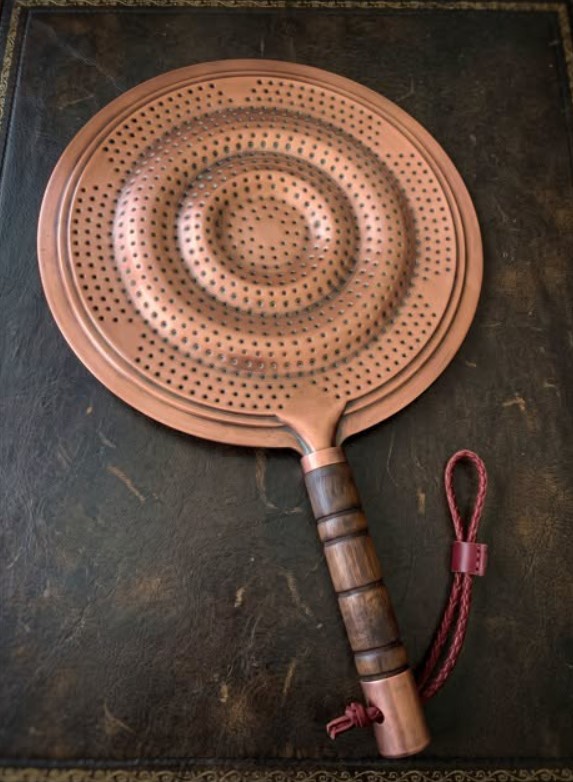
There is something special about an old-fashioned kitchen.
Maybe it is the worn wooden cutting board sitting beside the stove, the cast-iron pan that has been used for countless meals, or the little jars of herbs and spices that have quietly become part of the cook’s daily routine.
Traditional cooking has never been entirely about having expensive equipment or complicated recipes. In many kitchens, the biggest difference comes from small habits that make everyday cooking easier and more flavorful.
One of those simple habits is keeping a homemade seasoning blend ready to use.
It may not sound like a revolutionary kitchen trick. After all, most kitchens already have individual containers of garlic powder, onion powder, dried herbs, paprika, and black pepper. But combining some of those familiar ingredients into one balanced blend can save time and make seasoning much more consistent.
Instead of opening several spice containers every time you prepare dinner, you can simply reach for one jar and add a little of your homemade mixture.
It is simple, inexpensive, practical, and surprisingly versatile.
Whether you are roasting vegetables, cooking chicken, preparing potatoes, making soup, seasoning eggs, or building a sauce, a good everyday seasoning blend can become one of those small kitchen shortcuts you use without even thinking about it.
What Is This Rustic Kitchen Secret?
At its simplest, the secret is making your own everyday seasoning mixture instead of relying on several separate spice jars every time you cook.
The idea is not to create a complicated spice formula with a long list of ingredients. Instead, you combine a handful of dried herbs and seasonings that work well together and that you already enjoy using.
A basic homemade blend can include:
- Dried parsley
- Garlic powder
- Onion powder
- Dried thyme
- Dried oregano
- Black pepper
- Paprika
- A small amount of salt, if desired
The original concept emphasizes that there is no single combination everyone has to follow. The beauty of making your own blend is that you can adjust it according to your family’s tastes and the foods you prepare most often.
If you regularly roast vegetables, for example, you might prefer a blend with more herbs.
If chicken is frequently on your dinner table, garlic, onion, paprika, and thyme can provide a useful foundation.
For soups and stews, you may want a more herb-forward mixture with oregano, thyme, parsley, and black pepper.
You can even leave the salt out completely if you prefer to control the amount of salt separately in each recipe.
Why Can a Homemade Seasoning Blend Make Such a Difference?
Great cooking is not always about adding more ingredients.
Sometimes, the difference between an ordinary meal and a memorable one comes down to how well the food has been seasoned.
Consider a simple roasted potato. Potatoes already have a comforting flavor and texture, but adding garlic, herbs, black pepper, and paprika can give them an entirely different character.
The goal is not necessarily to make the seasoning overpower the food.
Instead, good seasoning should support the natural flavors of the ingredients.
Garlic can add savory depth. Herbs can bring freshness and an earthy quality. Paprika can contribute warmth and color, while black pepper provides a little bite.
When these flavors are combined thoughtfully, even basic ingredients can become much more satisfying.
A prepared seasoning blend also makes it easier to season consistently. Rather than searching through the spice cabinet and trying to remember which herbs you used last time, you already have a balanced combination ready to go.
The Rustic Kitchen Philosophy: Keep It Simple
There is a reason traditional food often feels so comforting.
Older generations did not always have access to dozens of specialty ingredients or modern kitchen gadgets. They frequently cooked with whatever was available.
A meal might contain a few vegetables, some meat, herbs from the garden, butter or oil, salt, pepper, and plenty of patience.
The focus was often on making simple ingredients taste their best rather than creating complicated recipes containing twenty different components.
That philosophy is still useful today.
You do not need an enormous spice collection to make flavorful food. You need to understand how a few basic seasonings work together and how much your ingredients need.
A homemade seasoning blend fits perfectly into that approach.
It is uncomplicated, flexible, and easy to keep within reach.
How to Make Your Own Everyday Seasoning Blend
The best part is that you do not need special equipment.
All you really need is a clean, completely dry jar with a tight-fitting lid and a selection of your favorite dried herbs and spices.
The source recommends building the mixture gradually rather than trying to follow a rigid formula.
Step 1: Choose Your Base
Start with the seasonings you use most frequently.
Garlic powder and onion powder make excellent foundations because they pair naturally with many different foods.
They work with chicken, beef, potatoes, vegetables, rice, soups, sauces, and many other everyday dishes.
You can make one the dominant flavor or use both in roughly balanced amounts.
The important thing is to begin with flavors you already know your family enjoys.
Step 2: Add Your Favorite Herbs
Next, bring some dried herbs into the mixture.
Parsley, oregano, thyme, rosemary, and basil are all useful possibilities.
You do not have to use every herb at once.
In fact, keeping the combination relatively simple can make the individual flavors easier to recognize.
Two or three complementary herbs may be more than enough.
For example, thyme and parsley create a mild, versatile combination, while oregano can give the blend a stronger Mediterranean-inspired character.
Rosemary can work particularly well with roasted vegetables and potatoes.
Step 3: Add Color and Warmth With Paprika
Paprika is another useful ingredient for an everyday seasoning blend.
It can give food an appealing color while contributing a mild, warm flavor.
It works especially well with potatoes, chicken, roasted vegetables, soups, and many savory dishes.
If you enjoy spicy food, you can also add a small amount of cayenne pepper or crushed red pepper.
The key is moderation.
You want the blend to remain versatile enough for everyday cooking rather than making every dish intensely spicy.
Step 4: Add Black Pepper
Black pepper provides another layer of flavor.
Freshly ground black pepper can give the mixture a little bite and help balance the herbs and other seasonings.
You can adjust the amount according to your preference.
If you prefer a gentler seasoning, use less. If your household enjoys more pronounced pepper flavor, increase it gradually.
Step 5: Decide Whether to Add Salt
Salt is completely optional.
Some cooks prefer adding a small amount directly to the seasoning blend because it makes the jar even more convenient.
Others prefer keeping salt separate.
Leaving salt out has one major advantage: it gives you greater control over how salty each individual dish becomes.
This can be especially useful when you are cooking foods that already contain salty ingredients, such as broth, cheese, sauces, or seasoned meats.
There is no single correct choice.
The best approach is the one that fits the way you normally cook.
Store the Blend Properly
Once your seasoning mixture is prepared, transfer it to a clean, completely dry container with a secure lid.
Moisture is one of the biggest things you want to avoid with homemade dried seasoning blends.
A dry environment helps prevent the mixture from clumping and keeps it convenient to sprinkle.
Labeling the jar can also be useful, especially if you make several different blends.
Write the name of the mixture and, if necessary, the date you prepared it.
Store it in a cool, dry place away from excessive heat, steam, and direct sunlight.
You want the herbs and spices to remain dry and easy to use whenever you need them.
How Can You Use This Homemade Seasoning?
This is where the simple blend becomes especially useful.
You do not have to reserve it for one particular recipe.
Because the ingredients are intentionally versatile, the mixture can become an everyday seasoning for many meals.
Roasted Vegetables
Sprinkle the blend over vegetables before roasting.
Potatoes, carrots, zucchini, cauliflower, broccoli, bell peppers, and other vegetables can all benefit from a combination of garlic, herbs, paprika, and black pepper.
Add a little oil, toss everything together, and roast according to your recipe.
Chicken
Chicken is another natural match.
Season chicken before roasting, baking, grilling, or pan-cooking.
Garlic, onion, paprika, thyme, and black pepper provide a familiar savory combination without requiring several individual spice jars.
Potatoes
Potatoes are incredibly adaptable and can take on many different flavors.
Use the blend on roasted potatoes, potato wedges, home fries, or other savory potato dishes.
Paprika can add color while the herbs and garlic contribute extra depth.
Soups and Stews
A homemade seasoning mixture can also be useful when preparing soups and stews.
Rather than reaching for several jars separately, add a small amount of the blend and adjust the seasoning as the dish cooks.
This can help build flavor without complicating the preparation.
Eggs
Eggs may be simple, but they respond well to seasoning.
Try adding a small amount of the blend to scrambled eggs, omelets, breakfast potatoes, or other egg dishes.
Because the seasoning contains several complementary flavors, even a small amount can make a noticeable difference.
Sauces
Savory sauces can also benefit from the mixture.
Depending on the ingredients in the sauce, garlic, onion, herbs, pepper, and paprika can provide additional depth.
Start with a small amount and taste as you go.
Remember that seasoning is easier to increase than to remove.
Customize the Blend to Your Cooking Style
One of the best reasons to make your own seasoning is that you are not locked into someone else’s recipe.
Your kitchen may have completely different needs from another person’s kitchen.
If you cook mostly vegetables, emphasize herbs.
If you prepare chicken several times a week, build your mixture around garlic, onion, paprika, and thyme.
If you make hearty soups and stews, consider creating a more herb-heavy blend.
If your family enjoys spicy food, introduce a little cayenne or crushed red pepper.
And if you are trying to limit sodium, simply leave the salt out and season individual dishes separately.
The goal is not perfection according to a fixed recipe.
The goal is creating something that makes your cooking easier.
Why This Small Habit Can Save Time
Cooking can become surprisingly repetitive.
You gather ingredients, prepare them, reach for one spice, put it away, reach for another, measure it, put it away, and repeat the process.
None of these steps takes very long by itself.
But when you cook every day, those little tasks add up.
Having an everyday seasoning blend eliminates some of that repetition.
Instead of opening multiple containers, you can reach for one jar.
That makes the cooking process feel smoother and can be especially helpful when preparing dinner after a busy day.
It is a small convenience, but sometimes small conveniences are the ones that become permanent habits.
You Don’t Need Expensive Kitchen Gadgets
Modern kitchens are filled with products promising to make cooking easier.
Some are genuinely useful.
Others end up sitting in a cabinet after being used a few times.
A homemade seasoning blend takes a completely different approach.
There is no special appliance to purchase.
No complicated device needs to be cleaned.
No electrical equipment is required.
You simply combine ingredients you already use and keep them together.
That simplicity is part of what makes the idea so appealing.
The “secret” isn’t an expensive piece of equipment.
It is preparation.
A Little Preparation Can Improve Everyday Cooking
Many cooking improvements come from preparing something before you actually need it.
Chopping vegetables ahead of time can make dinner easier.
Preparing a sauce in advance can save time.
Washing and organizing ingredients can make cooking feel less chaotic.
A seasoning blend works the same way.
You spend a few minutes preparing it once, and then you have a convenient mixture available for many future meals.
That is a very old-fashioned idea: prepare once, then make everyday work easier.
The Real Secret Is Consistency
Perhaps the most useful lesson behind this rustic kitchen trick is not the exact list of spices.
It is consistency.
When you have a dependable seasoning blend, you are more likely to season your food thoughtfully.
You can taste, adjust, and build flavor gradually.
Instead of treating seasoning as an afterthought, it becomes part of the cooking process.
And that is often what separates bland food from food that feels complete.
A good meal does not necessarily require rare ingredients.
It often requires paying attention to the simple ingredients already in front of you.
Final Thoughts
The idea behind this rustic kitchen secret is wonderfully simple: make your own everyday seasoning blend and keep it ready whenever you cook.
There is nothing complicated about it, and that is exactly why it works so well.
With a few basic ingredients such as garlic powder, onion powder, dried herbs, paprika, and black pepper, you can create a flexible seasoning mixture that works across countless everyday dishes. The original article emphasizes that the blend can be customized according to personal taste and cooking habits, with salt included or left out depending on preference.
The real value is not that one particular combination will magically make every dish perfect.
Instead, the benefit comes from having flavorful seasonings available, using them consistently, and learning how different ingredients complement one another.
That is also what makes the idea feel so genuinely rustic.
It goes back to a simple style of cooking where people did not need complicated equipment or dozens of specialty products. They worked with familiar ingredients, relied on experience, and learned how to get the most flavor from what they already had.
A small jar of homemade seasoning may not look impressive sitting beside the stove.
But once you start reaching for it while roasting vegetables, seasoning chicken, preparing potatoes, making soup, or cooking eggs, you may realize just how useful such a simple habit can become.
Sometimes the best kitchen secrets are not the newest ones.
They are the simple ideas that have always worked.