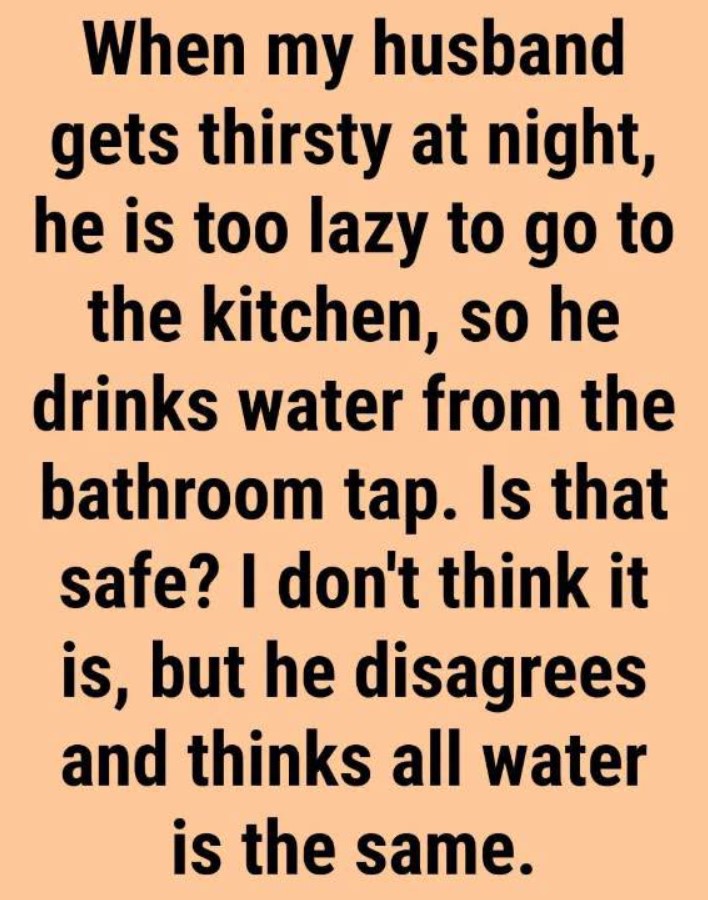
Have you ever woken up in the middle of the night feeling thirsty, walked into the bathroom, and considered drinking directly from the bathroom tap? It may seem like the easiest solution, especially when the kitchen is far away or you do not have a bottle of water nearby.
But before taking a big gulp, you might wonder whether bathroom tap water is actually safe to drink. After all, bathroom sinks are mainly used for washing hands, brushing teeth, and other personal hygiene activities. Does the water coming from these taps have the same quality as the water in your kitchen?
The answer depends on how your home’s plumbing system is designed and maintained. In many modern homes, bathroom and kitchen taps receive water from the same treated municipal supply. However, certain plumbing arrangements, older pipes, storage tanks, and stagnant water can create differences in water quality.
Understanding where your bathroom water comes from can help you make a safer decision. Here is what you should know before drinking from the bathroom tap.
1. Does Bathroom Tap Water Come From the Same Source as Kitchen Water?
In many homes, the bathroom and kitchen are connected to the same main water supply. This means the water entering both rooms has usually passed through the same municipal treatment and distribution system.
Public water suppliers treat drinking water to meet established safety standards before delivering it to homes and buildings. If your property receives properly treated mains water, the bathroom tap may provide water from the same source as the kitchen faucet.
However, the journey water takes inside your home can make a difference.
Some buildings have plumbing systems in which water travels through different pipes, tanks, or storage arrangements before reaching individual taps. In older properties, bathroom taps may receive water from a storage tank rather than directly from the mains supply.
If the water has been stored for a long time or the tank is poorly maintained, its quality may be affected.
That is why you should not assume every bathroom tap is automatically suitable for drinking simply because the water looks clear.
2. Why Bathroom Water May Be Different From Kitchen Water
One of the biggest reasons bathroom tap water can differ from kitchen water is the plumbing system.
In certain older homes, particularly properties built before modern plumbing practices became common, water may be stored in a cold-water tank in the attic or another part of the building.
The kitchen tap may receive water directly from the mains supply, while bathroom taps may be connected to the storage tank.
This arrangement can create several potential problems.
Water may remain stored for longer periods. If the tank is not used frequently, the water may sit there for an extended time.
The tank may not be properly maintained. Dust, insects, debris, or other contaminants can enter a poorly covered or neglected storage tank.
The temperature may increase. Water stored in a warm location can create more favorable conditions for certain microorganisms to survive or grow.
The tank may be old or damaged. Deteriorating materials and poorly maintained plumbing can affect water quality.
These issues do not mean that every bathroom tap is unsafe. They simply explain why knowing your home’s plumbing arrangement is important.
3. Can Old Pipes Make Bathroom Tap Water Unsafe?
Yes, old or deteriorating plumbing can affect drinking water quality.
Some older buildings contain plumbing materials that may release unwanted substances into the water. Lead is one of the most important concerns because exposure can be harmful, particularly for young children and pregnant women.
Lead can enter drinking water through older service lines, pipes, solder, and certain plumbing fittings. The amount that enters the water can depend on several factors, including the materials used, water chemistry, and how long water has remained in contact with the plumbing.
Older bathroom pipes are not automatically dangerous, but their condition and materials should not be ignored.
Other plumbing problems can also affect water quality. Corrosion, damaged fittings, and accumulated deposits may contribute to discoloration or unusual changes in the water.
If you live in an older property and do not know what materials were used in its plumbing, consider asking a qualified plumber to inspect the system. If lead contamination is a concern, a proper drinking-water test is more reliable than judging the water by its appearance.
4. Does Water That Has Been Sitting in the Pipes Become Unsafe?
Water that remains inside pipes for several hours is sometimes described as stagnant water.
This can happen overnight when nobody uses the taps or when a particular faucet is rarely opened.
During this time, water remains in contact with the internal surfaces of the plumbing. Depending on the pipe materials and conditions, certain substances may enter the water, and microorganisms can sometimes grow inside plumbing systems.
This does not mean that water becomes dangerous every time it sits in a pipe overnight. However, flushing a little water through a tap before drinking can help reduce exposure to water that has been sitting in the plumbing.
The U.S. Centers for Disease Control and Prevention recommends flushing faucets that have not been used for a week or longer. Its guidance includes running cold water for two minutes before using the faucet again.
For everyday drinking, it is also sensible to use cold water and allow it to run briefly if it has been sitting unused for an extended period.
5. Is It Safe to Drink Cold Water From the Bathroom Tap?
Cold water is generally the better choice when drinking from household faucets.
Hot water can dissolve certain metals from plumbing materials more readily than cold water. For this reason, drinking-water guidance generally recommends using cold tap water for drinking, cooking, and preparing food.
If you are thirsty and your bathroom tap is connected to a properly maintained drinking-water supply, cold water may be suitable for consumption.
However, there are a few things to consider first:
- Make sure the water comes from a known, treated drinking-water supply.
- Check whether your bathroom tap is connected to a storage tank.
- Avoid drinking water from taps that are marked as non-potable.
- Let the cold water run briefly if the tap has not been used for a long time.
- Do not drink water that looks discolored or has an unusual smell.
If you are uncertain about the plumbing, using a kitchen tap known to receive treated mains water or drinking bottled water may be a more appropriate choice until the situation is checked.
6. What About Drinking Water From a Bathroom Sink in an Older House?
Older homes deserve a little extra attention because their plumbing systems may have been installed under different standards.
Some properties have separate water arrangements for the kitchen and bathroom. For example, the kitchen tap may be supplied directly from the mains, while the bathroom receives water from a storage cistern.
In addition, older plumbing may contain lead components or other materials that can affect water quality.
If you have recently moved into an older property, it is worth finding out:
- Whether bathroom and kitchen taps receive water from the same source.
- Whether the property has a cold-water storage tank.
- Whether the tank is covered, clean, and properly maintained.
- Whether any old lead pipes or fittings remain.
- Whether the water supply has been tested when necessary.
A qualified plumber can help identify the plumbing arrangement and any materials that may need attention.
You should not rely on the age of a building alone to decide whether its water is safe. The actual plumbing materials, maintenance, and water quality are what matter.
7. Warning Signs That Bathroom Tap Water Should Not Be Drunk
Water that is unsafe is not always visibly different from clean water. Some contaminants cannot be detected by smell, taste, or appearance.
Nevertheless, certain changes should make you stop drinking the water until the problem has been investigated.
Cloudy or discolored water
Water that suddenly becomes brown, yellow, reddish, or unusually cloudy may indicate rust, sediment, plumbing problems, or another water-quality issue.
An unusual smell
A strong chemical, rotten, or otherwise unusual odor should not be ignored. Contact your water supplier or a qualified plumber to investigate the cause.
An unusual taste
If water tastes noticeably metallic, chemical, or different from normal, avoid drinking it until you understand why.
Visible particles
Small particles, sediment, or floating material may indicate problems with the plumbing or water supply.
Unexpectedly colored water
Blue, pink, or other brightly colored water coming from a tap can sometimes indicate that water has flowed backward from a toilet cistern or another part of the plumbing system.
Do not drink water showing these signs. Contact your water supplier or a qualified plumbing professional for advice.
Remember that clear, odorless water is not automatically free from contaminants. Testing is necessary when you suspect a problem that cannot be identified by sight or smell.
8. What Is the Difference Between Bathroom Tap Water and Toilet Water?
This is an important distinction because people sometimes confuse the water in a bathroom sink with the water inside a toilet.
Bathroom sink water comes from the household plumbing system. Depending on the property, it may come from the same treated supply as the kitchen.
Toilet water in the bowl, on the other hand, is wastewater and should never be consumed.
Even the water inside a toilet tank should not be treated as an ordinary drinking-water source. Although emergency guidance sometimes identifies untreated toilet-tank water as a possible source in specific circumstances, this applies only under strict conditions, such as when the tank has not been chemically treated.
Toilet cleaning tablets, disinfectants, and other chemicals can contaminate the water.
For normal everyday drinking, always use a proper drinking-water tap rather than a toilet tank or bowl.
9. How to Make Sure Your Bathroom Tap Water Is Safe
If you want to drink from your bathroom tap regularly, taking a few precautions can help you understand whether the water is suitable.
Find out where the water comes from
Ask your landlord, property manager, or plumber whether the bathroom tap receives water directly from the mains or from a storage tank.
Inspect the plumbing
Look for signs of corrosion, leaks, damaged pipes, or poorly maintained fittings. If you suspect older lead plumbing, arrange a professional inspection.
Maintain storage tanks
If your property has a water storage tank, make sure it is properly covered, inspected, and cleaned when necessary.
Flush unused faucets
If a bathroom tap has not been used for a week or longer, follow appropriate flushing guidance before using it again.
Use cold water for drinking
Choose cold tap water rather than hot water for drinking and food preparation.
Consider water testing
If you are concerned about lead, bacteria, or other contaminants, arrange testing through an appropriate certified laboratory or local water authority.
These steps are particularly important in older buildings, properties with private water supplies, and homes that have experienced plumbing repairs or water interruptions.
10. Who Should Be Extra Careful About Bathroom Tap Water?
Most healthy adults can tolerate small numbers of microorganisms that may naturally occur in treated water. However, certain people are more vulnerable to waterborne infections or chemical contaminants.
These groups include:
- Infants and young children.
- Older adults.
- Pregnant women, particularly when lead exposure is a concern.
- People with weakened immune systems.
- Individuals with certain underlying medical conditions.
For these groups, it is especially important to use water from a confirmed safe drinking-water source.
If your home has an older plumbing system or an uncertain water supply, ask a healthcare professional or local water authority about appropriate precautions.
11. What Should You Do If You Have Already Drunk Bathroom Tap Water?
If you have already taken a drink from the bathroom tap, there is usually no reason to panic.
If the tap receives the same properly treated water as your kitchen faucet and the plumbing is in good condition, the water may be perfectly suitable for drinking.
The important question is whether there is a known reason to suspect contamination.
If the water came from a questionable storage tank, an old plumbing system, or a supply affected by a contamination warning, avoid drinking more until you have checked the situation.
If you develop symptoms such as vomiting, diarrhea, stomach cramps, or fever after drinking water you suspect was contaminated, seek medical advice. People at higher risk should be particularly cautious.
If you suspect lead exposure, remember that it may not cause immediate symptoms. A water test and professional medical advice are more useful than waiting for signs of illness.
12. Bathroom Water During a Water Emergency
A water outage or contamination warning changes the situation considerably.
If local authorities issue a boil-water notice, follow their instructions for drinking, cooking, brushing teeth, and preparing food. Do not assume that bathroom tap water is safe simply because it looks normal.
If officials advise against using tap water, use bottled, boiled, or properly treated water as directed.
During certain emergencies, the CDC identifies some household sources, including water from a water heater tank or an untreated toilet tank, as possible emergency supplies under specific conditions. However, these are not everyday drinking sources, and the toilet-tank water must not have been chemically treated.
If contamination involves fuel or toxic chemicals, boiling will not make the water safe. Follow local emergency instructions and use an approved alternative source.
The safest approach is always to follow information from your local water supplier and public-health authorities.
Frequently Asked Questions
Is bathroom tap water the same as kitchen tap water?
In many homes, both taps receive water from the same mains supply. However, some older properties have different plumbing arrangements, so it is important to understand how your home is connected.
Can I drink bathroom sink water at night?
It may be safe if the tap is connected to a properly maintained drinking-water supply. If the water has been sitting in unused pipes for a long time, let the cold tap run briefly before drinking.
Is bathroom tap water safe in an old house?
Not necessarily. Older homes may have storage tanks, aging pipes, or plumbing materials that can affect water quality. Have the system inspected if you are unsure.
Should I drink hot or cold bathroom tap water?
Use cold tap water for drinking and cooking. Hot water may dissolve more metals from plumbing materials.
Can bathroom tap water contain bacteria?
Yes. Tap water is not sterile, and microorganisms can sometimes grow in household plumbing. Proper maintenance, regular use, and flushing unused faucets can help reduce certain risks.
Does clear bathroom water mean it is safe?
No. Some contaminants, including lead, cannot be identified by looking at the water. Testing is necessary when contamination is suspected.
Conclusion :
So, can you safely guzzle down bathroom water? The answer is that it depends on your home’s water supply and plumbing system. In many modern properties, bathroom taps receive the same treated water as kitchen faucets, meaning there may be no meaningful difference in the water itself. However, older plumbing, storage tanks, stagnant water, and poorly maintained pipes can create additional risks.
The most important thing is to understand where your bathroom water comes from. If it is supplied directly from a properly maintained drinking-water system, it may be suitable for consumption. If it passes through an old or neglected storage tank, or if you are unsure about the condition of the pipes, it is better to investigate before making it your regular drinking source.
Remember a few simple habits: choose cold water, flush faucets that have been unused for extended periods, pay attention to unusual changes in color or smell, and arrange water testing if you have concerns about lead or other contaminants. Never assume that water is safe simply because it looks clean.
Ultimately, drinking bathroom tap water is not automatically dangerous, but it should never be a guessing game. Knowing your plumbing system and following local drinking-water guidance will help you make an informed decision and enjoy your water with greater confidence.