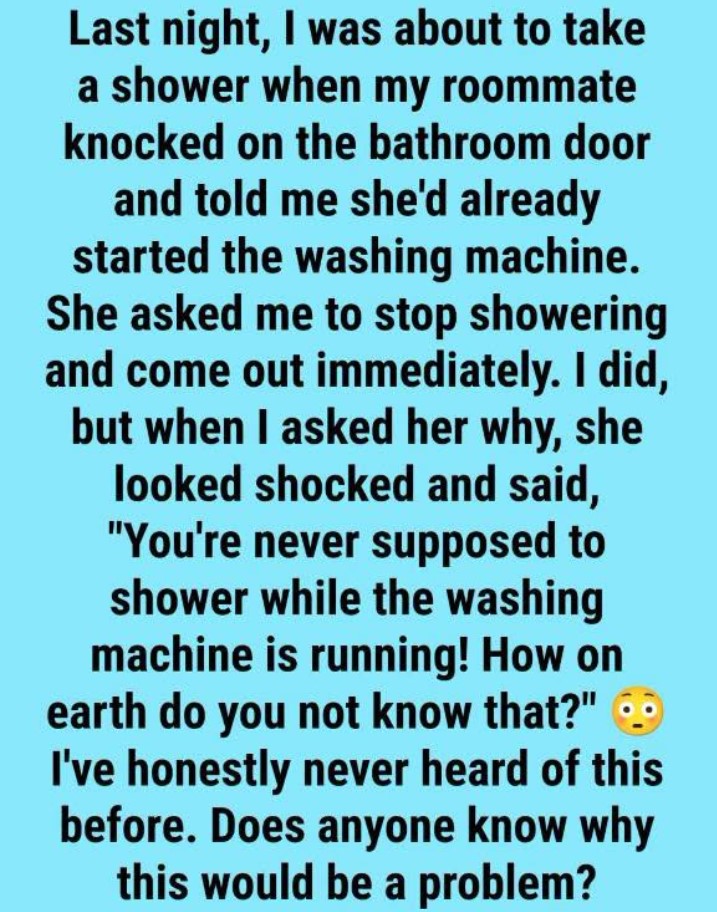
Have you ever started a load of laundry and then wondered whether you could take a shower while the washing machine was running? It may seem like a simple question, but many people worry that using both at the same time could affect their water pressure, change the shower temperature, or even create a safety problem.
The good news is that you can usually shower while the washing machine is running, provided your home’s plumbing and electrical systems are properly installed and in good condition. In most homes, there is no rule requiring you to wait until the laundry is finished.
However, the experience can vary depending on your washing machine, water heater, plumbing, and the amount of water being used elsewhere in the house. You might notice a weaker shower stream or an unexpected temperature change when the washer begins filling.
Understanding why these changes happen can help you decide when it is perfectly fine to do both tasks at once and when it is better to wait.
Is It Safe to Shower While the Washing Machine Is Running?
For most households, showering while the washing machine operates is generally safe. Both are designed to be used as part of an ordinary household, and running them simultaneously does not automatically damage the plumbing or appliances.
The main issue is usually how well your home’s water supply handles the extra demand.
When a washing machine fills with water, it draws water through the household plumbing. If someone is taking a shower at the same time, both may compete for the available supply. In a home with adequate water pressure and properly sized pipes, you might barely notice any difference.
In an older house or a home with limited water pressure, the effect may be more obvious. The shower could become weaker, or its temperature might fluctuate.
Electrical safety is a separate consideration. A washing machine must be correctly installed, properly grounded, and used according to the manufacturer’s instructions. Keep electrical equipment and connections away from water, and never ignore damaged wiring, unusual burning smells, electrical shocks, or leaks near electrical components. If you suspect an electrical fault, stop using the affected equipment and contact a qualified professional.
What Happens When You Shower While the Washing Machine Is Running?
Several things can happen when both activities take place together. Some households experience no noticeable changes, while others may encounter temporary problems with water pressure or temperature.
1. Your Shower Water May Become Cooler
One common concern is running out of hot water sooner than expected.
Some washing machines draw hot water directly from the home’s water heater. If your washer begins filling while you are enjoying a warm shower, both may use the same supply of hot water.
With a traditional storage water heater, this additional demand can leave less hot water available for the rest of your shower or for another person who needs to bathe afterward. If the water heater has a limited capacity, the effect may be particularly noticeable during long showers.
Tankless water heaters work differently because they heat water as it flows. However, they also have a maximum heating capacity. If several fixtures demand hot water at once, the system may struggle to provide the desired temperature and flow.
Not every washing machine uses hot water from the household supply. Some models use cold water and heat it internally, while others rely on different water connections depending on their design and settings. Checking your washing machine’s manual can help you understand how it affects your home.
2. Your Shower Pressure May Drop
Another possible problem is a temporary reduction in water pressure.
When the washing machine starts filling, it draws water through the same overall supply system that serves your shower, sinks, and other fixtures. If the plumbing cannot comfortably meet the combined demand, the water flow available at the shower may decrease.
You might notice a weaker stream, fluctuating pressure, or a shower that feels less powerful than usual.
This is more likely in homes with older pipes, restricted supply lines, or low incoming water pressure. In a well-designed plumbing system, the change may be so small that you do not notice it.
A brief, minor reduction in pressure is not necessarily a sign of serious damage. However, if the shower loses most of its flow whenever the washing machine fills, it is worth having the plumbing inspected.
3. Your Shower Temperature May Suddenly Change
Changes in water pressure can also affect shower temperature, and this is particularly important for comfort and safety.
A shower typically mixes hot and cold water to produce a comfortable temperature. If the pressure on one side changes significantly, the balance between hot and cold water may be affected.
For example, if the hot-water flow decreases, your shower may become cooler. In some plumbing arrangements, a change in cold-water pressure can cause the shower to become hotter than expected.
Modern pressure-balancing and thermostatic shower valves are designed to help reduce temperature fluctuations. However, their effectiveness depends on the type of valve, its condition, and the plumbing system.
If your shower suddenly becomes extremely hot, step away from the water and avoid making abrupt movements on a slippery surface. Stop using the appliances simultaneously until you understand the cause. Repeated or severe temperature changes should be checked by a qualified plumber.
Does the Type of Washing Machine Make a Difference?
Yes. Different washing machines use water in different ways, so the effect on your shower can vary.
Traditional top-loading washing machines: Some older models use relatively large amounts of water during the filling stage. Depending on your home’s supply capacity, this may make a reduction in shower pressure more noticeable.
Front-loading washing machines: These generally use less water than traditional top-loading models, although the actual amount depends on the machine and selected cycle. They may therefore have a smaller effect on the household water supply.
High-efficiency washing machines: These are designed to reduce water consumption. Lower water use can help limit competition between the washer and other fixtures, although it does not guarantee that pressure or temperature will remain perfectly steady.
Washing machines with internal water heating: Some models heat water inside the appliance rather than relying entirely on hot water from the household heater. Depending on the design, this may reduce competition for the home’s stored hot water.
The type of washing machine is only one factor. Your pipe sizes, incoming water pressure, shower valve, and water heater all play a role in determining whether you notice a difference.
Can Running the Washing Machine While Showering Damage Your Plumbing?
Under normal circumstances, using the washing machine while someone takes a shower should not damage a properly installed plumbing system.
The most common effects are temporary changes in water flow or temperature, rather than damage to the pipes or appliances themselves.
Nevertheless, recurring problems deserve attention. Watch for signs such as:
- A dramatic drop in water pressure whenever the washer fills.
- Sudden and repeated changes between hot and cold water.
- Loud banging, knocking, or vibrating pipes.
- Leaks around water connections or appliances.
- A washing machine that repeatedly struggles to fill or displays water-supply errors.
These symptoms can have several causes, including restricted pipes, faulty valves, supply problems, or other plumbing issues. They should not automatically be blamed on showering and doing laundry at the same time.
If you notice persistent problems, a qualified plumber can inspect the water supply, valves, and relevant fixtures to identify the cause.
When Is It Better to Shower Before Starting the Laundry?
You do not necessarily need to organize your entire routine around the washing machine. However, separating the two activities may be more comfortable if your home has limited hot-water capacity or noticeable pressure fluctuations.
Consider taking your shower first if:
- Your shower regularly becomes cooler when the washing machine starts filling.
- Your water heater has a small storage capacity.
- Several family members need hot showers one after another.
- Your home’s water pressure is already low.
- Your washing machine uses hot water from the same supply as your shower.
- Your shower temperature changes suddenly when other fixtures are used.
If your washing machine uses cold water or heats its own water, there may be less competition for the household hot-water supply. Even then, the washer can still affect water pressure if the overall supply is limited.
The simplest solution is to observe what happens in your home. If both activities work normally together, there is usually no need to change your routine.
How to Keep Your Shower Temperature and Pressure Steady
If you regularly experience problems when the washing machine is running, a few practical steps may help.
Check Your Shower Valve
A pressure-balancing or thermostatic shower valve can help maintain a more consistent temperature when water pressure changes. If your shower frequently becomes unexpectedly hot or cold, have the valve inspected to ensure that it is functioning correctly.
Replacing a faulty valve or repairing an existing one may help, depending on the cause of the problem.
Avoid Using Too Much Hot Water at Once
If your home has a small water heater, try not to run a hot-water laundry cycle while taking a long shower. You may also want to avoid using other hot-water fixtures at the same time.
Spacing out these activities can help you maintain a comfortable shower temperature and leave more hot water available for other household needs.
Choose an Appropriate Laundry Cycle
Check your washing machine’s manual to find out whether it uses hot water from your home’s supply or heats water internally.
When suitable for the clothing and cleaning requirements, a cold-water cycle may reduce demand on the household hot-water system. Always choose a setting appropriate for the fabrics and the type of laundry you are washing.
Investigate Persistent Low Pressure
If your shower pressure drops dramatically every time the washing machine fills, do not assume that this is simply unavoidable.
A plumber can check for restricted pipes, faulty valves, supply limitations, or other issues affecting water flow. Fixing an underlying problem may improve the performance of several fixtures throughout your home.
What If You Live in an Apartment or an Older House?
The effects of running a washing machine while showering can be more noticeable in some apartments and older homes.
In an apartment building, several residents may use water at the same time. Depending on the building’s plumbing and supply arrangements, this can affect the flow available at individual fixtures.
Older houses may also have narrow or restricted pipes, outdated valves, or water systems that struggle to meet several demands at once.
If the problem occurs regularly in a rented property, consider reporting it to your landlord or building manager. If you own the home, a qualified plumber can assess whether the plumbing needs repair or improvement.
You should not assume that every older property will have this problem, however. The condition and design of the plumbing matter more than the age of the building alone.
Frequently Asked Questions
Can I take a hot shower while the washing machine is filling?
Usually, yes. However, if both use the same hot-water supply, you may notice a cooler shower or a reduction in flow. The effect depends on the water heater, plumbing, and washing machine. If the shower temperature changes sharply, it is better to separate the activities until the cause is identified.
Should I turn off the washing machine before taking a shower?
Not necessarily. If your shower maintains a steady temperature and pressure, there is generally no plumbing-related reason to stop the washer simply because you want to shower. Follow the manufacturer’s instructions and address any unusual symptoms.
Can the washing machine make the shower water dangerously hot?
The washing machine does not automatically make shower water dangerously hot. However, pressure changes can affect the temperature in some plumbing systems, particularly when a shower valve is faulty or unable to compensate for the change. If the water becomes unexpectedly hot, step away and have the system checked before continuing to use it in the same way.
Is it safe for one person to shower while another person does laundry?
In most homes, yes. The main consideration is whether the two activities affect water pressure or temperature. If the shower remains stable and the plumbing and electrical systems are in good condition, simultaneous use is generally fine.
Will a front-loading washing machine affect the shower less?
It may. Front-loading machines generally use less water than traditional top-loading models, but the actual effect depends on the specific washer, the cycle, the home’s water supply, and the plumbing arrangement.
Should I avoid using the washing machine during every shower?
No. There is no universal rule requiring you to avoid simultaneous use. If your home handles both activities without noticeable problems, you can generally continue your normal routine. If you experience severe pressure drops or sudden temperature changes, separate the activities and investigate the problem.
Conclusion :
So, can you shower while the washing machine is running? For most households, the answer is yes. Using both at the same time is generally acceptable when the plumbing is properly installed and the electrical equipment is safe and functioning correctly.
The main concern is how your home’s water system handles the combined demand. Depending on your washing machine and water heater, you may notice a weaker shower stream, less available hot water, or temporary temperature fluctuations.
If your shower stays comfortable and the water pressure remains steady, there is usually no reason to wait for the laundry to finish. But if the water becomes unexpectedly hot, the pressure drops dramatically, or you notice leaks or electrical warning signs, do not ignore them.
A few simple adjustments, such as spacing out hot-water use or checking a faulty shower valve, may solve the problem. When the issue persists, professional inspection can help identify the cause.
With a properly functioning plumbing system and sensible precautions, you can often save time by doing laundry and taking a shower at the same time without sacrificing comfort or safety.