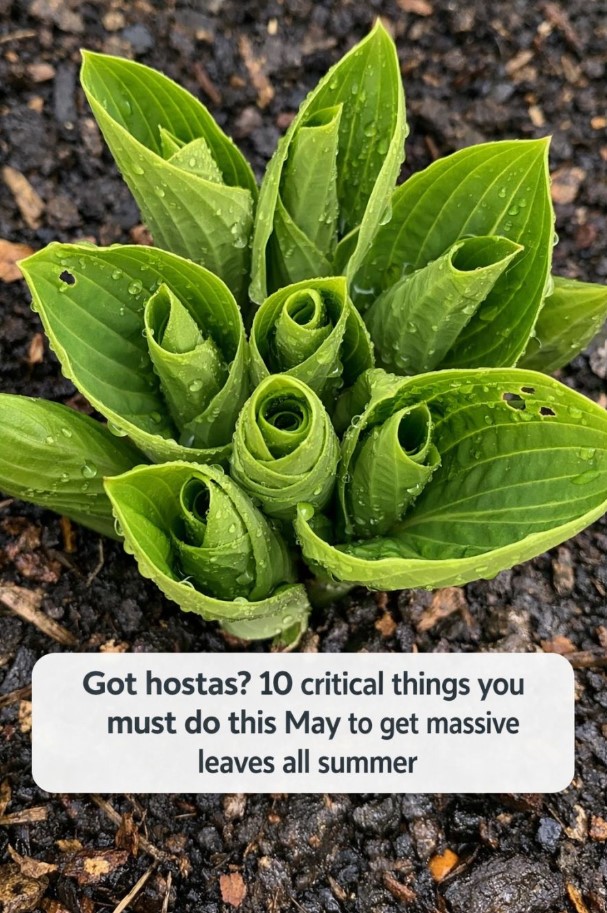
Hostas are among the most beloved shade garden plants in the world, prized for their lush foliage, impressive size, and ability to brighten areas where many other plants struggle to grow. Their large textured leaves create a rich, tropical appearance that makes gardens feel cooler, fuller, and more inviting during the warmer months. Whether planted in borders, woodland gardens, or decorative containers, hostas are known for adding elegance and dramatic greenery to outdoor spaces.
But while hostas are often considered low-maintenance plants, the truth is that spring — especially May — is one of the most important times of the year for their long-term health and appearance. What you do during this stage of active growth can determine whether your hostas remain small and damaged or develop massive, vibrant leaves throughout summer.
As temperatures rise and new shoots emerge, hostas require the right balance of moisture, nutrients, shade, and pest protection. Garden experts recommend focusing on watering, mulching, fertilizing, and slug prevention early in the season to encourage stronger root systems and healthier foliage. Proper care in spring helps plants better tolerate summer heat, drought, and common garden pests.
The good news is that hostas don’t require expensive treatments or complicated gardening techniques. A few simple maintenance steps can dramatically improve their growth and appearance for the rest of the growing season.
In this article, we’ll explore 10 critical things you should do in May to help your hostas produce giant healthy leaves, resist damage, and thrive all summer long.
1. Clean Away Old Dead Leaves
One of the first things you should do in spring is remove any dead foliage left over from winter. Old leaves can trap moisture and create hiding places for slugs, snails, and disease-causing organisms.
Cleaning the area around the crown helps improve air circulation and allows fresh shoots to emerge more easily. Garden experts also recommend removing damaged or yellowing leaves throughout the season to keep plants healthy.
A clean planting area gives your hostas a much stronger start as temperatures begin warming up.
2. Feed Your Hostas Early
May is an ideal time to fertilize hostas because they are actively producing new foliage. Applying a balanced slow-release fertilizer in spring helps support larger leaves and stronger root development. Compost or well-rotted organic matter can also improve soil quality naturally.
Avoid overfeeding, however. Excess fertilizer may create overly soft growth that becomes more vulnerable to slug damage and summer stress.
Many gardeners prefer balanced fertilizers because they encourage steady growth without overwhelming the plant.
3. Water Deeply Instead of Lightly
Hostas love consistently moist soil, especially while their leaves are expanding in late spring and early summer. Experts recommend deep watering rather than shallow daily watering because deep moisture encourages stronger root systems.
Shallow watering often weakens roots and leaves plants more vulnerable during hot weather.
A general guideline is about one inch of water per week, though hotter climates may require more frequent watering. Hostas growing in containers usually dry out faster than those planted in the ground.
4. Add Mulch Around the Plants
Mulching is one of the easiest ways to improve hosta growth. Organic mulch helps:
- Retain soil moisture
- Keep roots cool
- Reduce weeds
- Improve soil quality over time
- Protect roots from temperature swings
Compost, bark mulch, shredded leaves, or leaf mold all work well around hostas. Experts suggest keeping mulch slightly away from the crown to prevent rot problems.
A properly mulched hosta bed often stays healthier during summer heat.
5. Protect Them From Slugs and Snails
Slugs and snails are among the biggest threats to hostas. These pests chew holes through leaves, sometimes ruining the plant’s appearance almost overnight.
Gardeners use many methods to reduce slug damage, including:
- Copper tape around containers
- Slug traps
- Diatomaceous earth
- Removing damp hiding places
- Encouraging birds and frogs in the garden
- Choosing thicker-leaved varieties
Experts note that thick or waxy-leaved hostas are often more resistant to slug damage than thinner varieties.
Many gardeners on Reddit also recommend checking plants after dark because slugs are most active at night.
6. Make Sure They’re in the Right Amount of Shade
Hostas are famous for thriving in shade, but different varieties tolerate sunlight differently. Too much direct sun can scorch leaves, especially during hot summer afternoons.
Signs of excessive sun exposure include:
- Brown leaf edges
- Fading color
- Wilting
- Crispy foliage
Blue hostas in particular tend to prefer deeper shade. Experts recommend moist fertile soil and protection from intense afternoon sunlight for the healthiest foliage.
Morning sun combined with afternoon shade is often ideal for many varieties.
7. Divide Overcrowded Plants
If your hostas have become crowded over the years, spring can be a good time to divide them. Dividing helps rejuvenate older plants and encourages stronger growth.
Many gardeners wait until the “eyes” or shoots become visible before dividing so they can separate sections more easily.
Dividing hostas also allows you to create new plants for other garden areas without buying additional varieties.
8. Watch for Heat Stress Early
As temperatures rise toward summer, hostas can quickly show signs of drought or heat stress. Curling leaves, brown edges, and drooping foliage often indicate insufficient moisture or too much sun exposure.
Gardeners frequently recommend deep watering and additional shade protection during especially hot periods.
Catching stress early helps prevent long-term leaf damage later in the season.
9. Keep the Soil Rich and Well-Drained
Hostas prefer fertile soil that stays moist without becoming waterlogged. Heavy soggy soil may encourage rot and fungal diseases, while extremely sandy soil can dry out too quickly.
Adding compost improves both drainage and moisture retention while feeding the soil naturally over time.
Healthy soil is often the secret behind truly giant hosta leaves.
10. Remove Flower Stalks if You Want Bigger Leaves
Many gardeners grow hostas mainly for their foliage rather than their flowers. Removing flower stalks after blooming can help plants redirect energy back into leaf and root growth.
While hosta flowers can attract pollinators and look beautiful on some varieties, trimming spent blooms often keeps plants looking fuller and tidier through summer.
Why Hostas Remain a Garden Favorite
Hostas continue to be one of the most popular shade perennials because they combine beauty with reliability. Once established, they can live for many years and often grow larger and more impressive over time.
Gardeners love them for their:
- Huge decorative leaves
- Shade tolerance
- Variety of colors and textures
- Low maintenance needs
- Long lifespan
Although slugs, heat, and drought can create challenges, proper spring care greatly improves their chances of thriving.
Conclusion :
May is one of the most important months for hosta care because this is when plants are actively developing the lush foliage they’ll display all summer. Simple tasks like fertilizing, mulching, watering deeply, cleaning old leaves, and preventing slug damage can dramatically improve both the size and health of your hostas.
Experts consistently recommend maintaining moist fertile soil, protecting plants from excessive heat, and avoiding neglect during the active growing season. With the right care, hostas can reward gardeners with enormous vibrant leaves that become the centerpiece of shaded garden spaces for years to come.
The best part is that growing beautiful hostas doesn’t require advanced gardening experience. A little attention during spring can go a long way toward creating lush, healthy plants that make your garden look full, colorful, and thriving all season long.