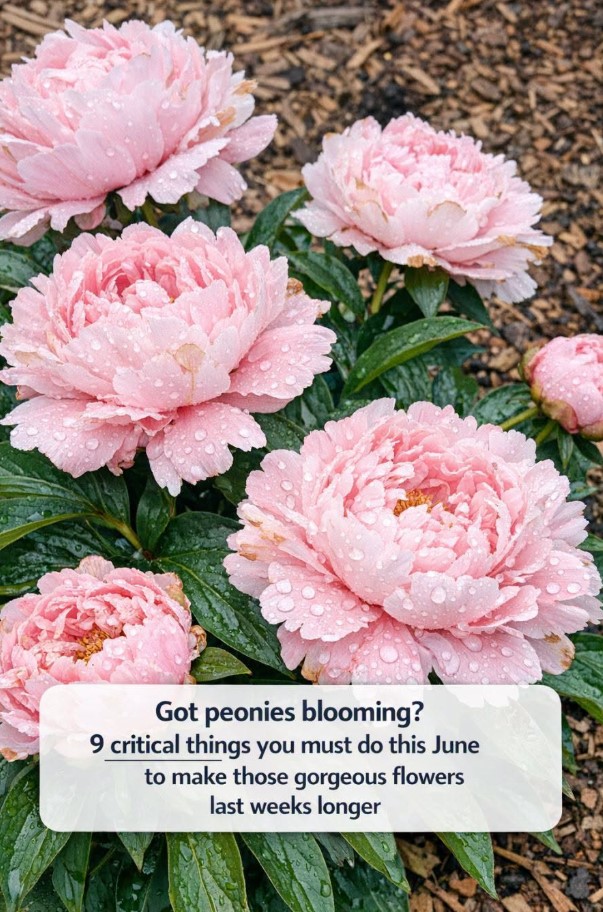
Peonies are one of the most loved garden flowers, known for their large, soft blooms and beautiful fragrance. However, their flowering season is short, which makes proper care even more important. June is a crucial month for peonies because this is when they finish blooming and begin storing energy for next year’s flowers. What you do during this period can greatly affect how strong and beautiful your peonies will be in the future. With the right care, you can extend their beauty, protect the plant’s health, and ensure even better blooms next season.
1. Deadhead Spent Flowers
One of the most important tasks after peonies finish blooming is deadheading. This means removing the faded or wilted flowers. Cutting off spent blooms prevents the plant from wasting energy on seed production and redirects that energy back into the roots and foliage. This helps the plant grow stronger and prepare for next year’s blooms.
2. Cut Only the Flower Head, Not the Whole Plant
When deadheading, avoid cutting the entire stem down. Only remove the flower head and cut just above the first healthy leaf. The green foliage is still very important because it helps the plant produce food through photosynthesis.
3. Leave the Leaves Alone
After blooming, peony leaves should be left intact. Even if the flowers are gone, the leaves continue to work hard by storing energy in the roots. Cutting them too early can weaken the plant and reduce flowering next year.
4. Water Consistently
Peonies need regular watering, especially during dry weather. Deep watering once or twice a week is better than frequent light watering. Always water at the base of the plant to avoid wetting the leaves, which can lead to disease.
5. Add Light Mulch
Adding a layer of organic mulch around the base of your peonies helps keep moisture in the soil and keeps roots cool during hot weather. It also helps reduce weed growth and protects the plant’s root system.
6. Feed the Plant Carefully
After flowering, peonies can benefit from a light application of balanced fertilizer or compost. However, avoid overfeeding, especially with nitrogen-rich fertilizers, as this can encourage too much leafy growth instead of strong roots and future flowers.
7. Watch for Pests and Diseases
Summer conditions can sometimes lead to fungal problems like powdery mildew or botrytis. Regularly check your plants for spots, mold, or pests. If you notice any issues, remove affected parts quickly and ensure good air circulation around the plant.
8. Avoid Cutting Back Too Early
Never cut back peonies right after they bloom. The foliage needs to stay until fall because it is essential for storing energy. Cutting too early can seriously reduce the plant’s strength for next year.
9. Support the Plant and Keep It Clean
As the season progresses, peony plants may become heavy or messy. Keeping the area clean and supported helps improve airflow and reduces the risk of disease. Removing fallen petals and debris also keeps the plant healthy and tidy.
Conclusion :
Caring for peonies after they bloom is not just a simple gardening task—it is an investment in the long-term health and beauty of your plants. June marks a critical transition period where the plant shifts from producing flowers to storing energy for the next growing season. The way you handle your peonies during this time will directly influence how strong they grow and how impressive their blooms will be next year.
By taking small but important steps like deadheading spent flowers, protecting the foliage, and maintaining proper watering, you are helping the plant focus its energy where it matters most. Peonies rely heavily on their leaves after blooming to feed the roots, and this hidden process is what determines the size, color, and abundance of future flowers. Even something as simple as not cutting the plant back too early can make a huge difference in its overall performance.
It is also important to remember that peonies are long-lived plants. When properly cared for, they can thrive for decades, sometimes even generations, in the same garden spot. This means that every bit of attention you give them today contributes to a much longer cycle of beauty in your garden. Consistent care, patience, and observation help prevent common problems like disease, weak stems, or poor blooming.
In the end, growing healthy peonies is about understanding their natural rhythm. When you work with the plant’s cycle instead of against it, you allow it to build strength naturally year after year. With the right June care routine, your peonies will reward you with fuller, more vibrant, and longer-lasting blooms that become a highlight of your garden every spring.