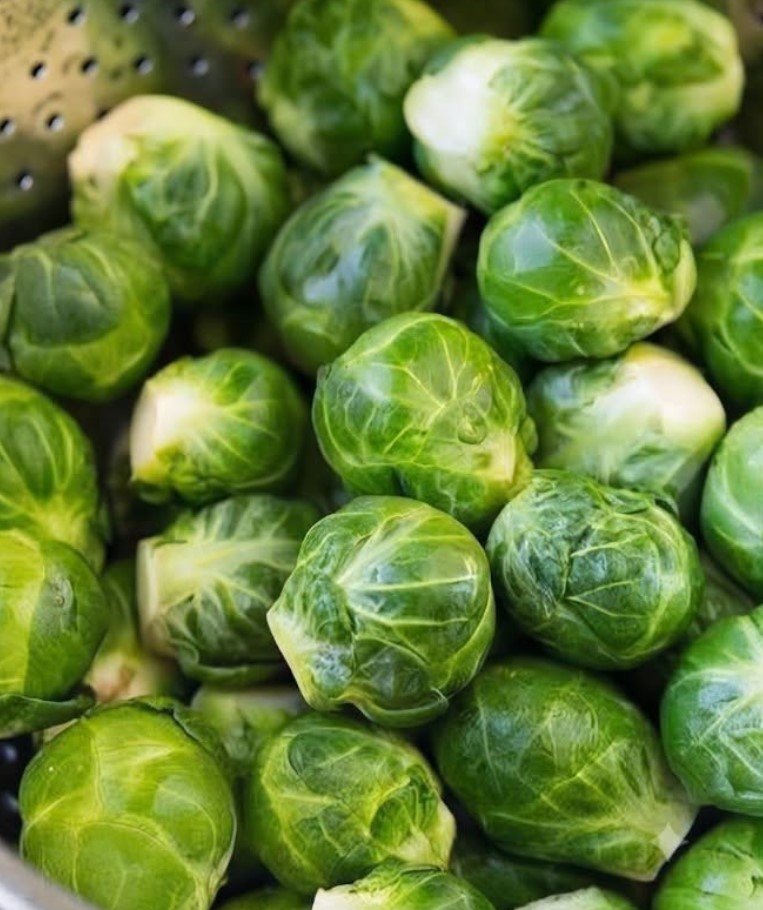
For years, Brussels sprouts seemed to have a permanent place on the list of vegetables people loved to hate.
They were the little green vegetables children pushed around their plates, the side dish adults joked about avoiding, and the food many people remembered as mushy, bitter, watery, and strangely strong-smelling.
But Brussels sprouts have had a serious comeback.
Today, they appear on restaurant menus roasted until their outer leaves are crisp and golden, shaved into fresh salads, sautéed with garlic, tossed with Parmesan, finished with balsamic glaze, and paired with everything from bacon to nuts.
So what changed?
The vegetable didn’t suddenly become different.
The way people cook it changed.
The original recipe article highlights an important point: Brussels sprouts can taste dramatically better when they are cooked quickly at high heat rather than boiled until completely soft.
If your only experience with Brussels sprouts involves a pot of overcooked, watery vegetables, this recipe may completely change your opinion.
Why Did Brussels Sprouts Get Such a Bad Reputation?
Brussels sprouts naturally contain sulfur-containing compounds known as glucosinolates.
These compounds occur naturally in cruciferous vegetables, including Brussels sprouts, broccoli, cabbage, and cauliflower. They contribute to the distinctive aroma and slightly bitter flavor associated with these vegetables.
The problem becomes much more noticeable when Brussels sprouts are overcooked.
Boiling them for too long can leave them soft and watery while intensifying their strong aroma. That combination is probably responsible for many childhood memories of Brussels sprouts being something to avoid at all costs.
In other words, you may not have hated Brussels sprouts themselves.
You may simply have hated what someone did to them.
Modern Cooking Changed Everything
The modern approach is almost the opposite of the traditional method.
Instead of boiling Brussels sprouts until they become completely tender, cooks increasingly use high heat to create browning and crisp edges.
Roasting is especially effective.
The outer leaves become golden and crunchy while the centers remain tender. The high heat also encourages browning, which creates deeper, richer flavors and brings out some of the vegetable’s natural sweetness.
The result is a completely different eating experience.
Rather than soft green balls with a strong aroma, you get crisp edges, tender centers, caramelized flavors, and a pleasant nutty quality.
The Best Brussels Sprouts Start With Fresh Ingredients
For this simple roasted version, you don’t need a long ingredient list.
Ingredients
- 1 1/2 pounds fresh Brussels sprouts
- 2 to 3 tablespoons olive oil
- 1/2 teaspoon kosher salt
- 1/4 teaspoon freshly ground black pepper
- 2 garlic cloves, finely minced
- 1/2 teaspoon garlic powder, optional
- 1/4 teaspoon red pepper flakes, optional
- 1/3 cup freshly grated Parmesan cheese
- 1 tablespoon balsamic glaze, optional
- 2 tablespoons toasted chopped walnuts or pecans, optional
- Fresh lemon juice, optional
The beauty of this recipe is that the Brussels sprouts remain the star of the dish. The additional ingredients simply enhance their flavor.
How to Choose Good Brussels Sprouts
When shopping, look for sprouts that feel firm when you gently squeeze them.
The leaves should look relatively fresh and tightly packed rather than yellow, wilted, or excessively damaged.
Smaller Brussels sprouts can be especially tender, although larger ones work perfectly well when cut properly.
Try to choose sprouts that are similar in size so they cook at roughly the same rate.
If you have a mixture of very small and very large sprouts, cut the larger ones into smaller pieces.
That small step can make a noticeable difference in the final texture.
Step 1: Clean the Brussels Sprouts
Start by washing the Brussels sprouts under cool running water.
Dry them thoroughly.
This is important because excess moisture can interfere with browning.
If the vegetables are wet when they enter the oven, they are more likely to steam instead of roast.
Once they’re dry, trim a thin slice from the bottom of each stem.
Remove any damaged or loose outer leaves.
Don’t throw away every loose leaf, though.
Some of those leaves become wonderfully crispy during roasting and can turn into the best part of the entire dish.
Step 2: Cut Them Properly
Cut each Brussels sprout in half from top to bottom.
If you have particularly large sprouts, cut them into quarters.
Try to keep the pieces relatively similar in size.
The flat cut side is especially important because it can make direct contact with the hot baking sheet.
That contact encourages browning and creates the delicious caramelized surface you’re looking for.
Step 3: Season the Vegetables
Place the trimmed Brussels sprouts in a large bowl.
Add the olive oil, salt, and black pepper.
If you enjoy garlic, add the minced garlic or a little garlic powder.
For some heat, add a small pinch of red pepper flakes.
Toss everything thoroughly.
Every Brussels sprout should have a light coating of oil and seasoning.
You don’t need to drown them in oil. Too much oil can make them greasy rather than crisp.
Step 4: Arrange Them Carefully
Preheat your oven to a high temperature, around 425°F (220°C).
Spread the Brussels sprouts across a large baking sheet.
This is one of the most important steps in the entire recipe.
Don’t crowd the pan.
Give the sprouts enough space for hot air to circulate around them.
If they are piled tightly together, they will release moisture and steam instead of roasting properly.
Place as many sprouts as possible with the cut side facing downward.
This allows the flat surface to make direct contact with the hot baking sheet.
Step 5: Roast Until Golden
Place the baking sheet in the preheated oven.
Roast until the Brussels sprouts are tender inside and deeply browned around the edges.
Depending on their size and your oven, this may take approximately 20 to 30 minutes.
Start checking them toward the end of the cooking time.
The goal isn’t simply to make them soft.
You’re looking for those beautiful browned edges and crisp outer leaves.
Some of the loose leaves may become very dark and crunchy. That’s perfectly fine—and often delicious.
Step 6: Add Parmesan
Once the Brussels sprouts are roasted, remove the baking sheet from the oven.
Immediately sprinkle freshly grated Parmesan over the top.
The heat from the vegetables will soften the cheese and help it cling to the crispy edges.
If you want even more browning, you can return the pan to the oven for another minute or two.
Just keep a close eye on it so the cheese doesn’t burn.
Step 7: Finish With Something Bright
Roasted vegetables can benefit from a little acidity.
A small squeeze of fresh lemon juice can brighten the entire dish.
Another option is a light drizzle of balsamic glaze.
The slight sweetness and acidity of balsamic pair particularly well with the caramelized Brussels sprouts.
You don’t need much.
A small amount is enough to add contrast without overpowering the roasted vegetable flavor.
Why High Heat Works So Well
The secret behind delicious roasted Brussels sprouts is largely the combination of heat and browning.
When vegetables are roasted at high temperatures, their surfaces can brown and develop more complex flavors.
This process is commonly associated with the Maillard reaction and caramelization.
The result is deeper, toastier, nuttier flavor.
That is why roasted Brussels sprouts can taste almost sweet compared with the boiled version many people remember from childhood.
The original article specifically points out that roasting can turn Brussels sprouts into a nutty, almost sweet-tasting vegetable.
The Biggest Mistake to Avoid
If you remember only one thing from this recipe, remember this:
Don’t overcrowd the baking sheet.
Even perfectly seasoned Brussels sprouts won’t become beautifully crisp if they’re packed tightly together.
When vegetables are crowded, moisture gets trapped.
Instead of roasting, they begin to steam.
The outside may remain pale and soft rather than developing the browned edges that make this recipe special.
If necessary, use two baking sheets.
A little extra space is worth it.
Another Common Mistake: Not Drying Them
After washing the Brussels sprouts, take a moment to dry them thoroughly.
You can use a clean kitchen towel or paper towels.
The drier the surface, the better the vegetables can brown.
This is especially important if you’re aiming for crisp edges.
Moisture is the enemy of that deep roasted texture.
Should You Boil Brussels Sprouts First?
For this recipe, there is no need to boil them before roasting.
Starting with raw, properly trimmed Brussels sprouts keeps the process simple and helps preserve their texture.
If you prefer particularly soft centers, you can parboil them briefly, but you’ll need to dry them very well afterward.
For the easiest method, simply roast them directly.
Easy Ways to Customize the Recipe
Once you’ve mastered basic roasted Brussels sprouts, you can easily change the flavor.
Add Bacon
Cooked crispy bacon can be crumbled over the finished sprouts.
The smoky, salty flavor pairs naturally with their slightly sweet roasted taste.
Try Honey and Balsamic
A small drizzle of honey combined with balsamic glaze creates a sweet-and-tangy finish.
Use the sweet ingredients sparingly so the vegetables don’t become dessert-like.
Add Nuts
Toasted walnuts, pecans, almonds, or hazelnuts add crunch.
The nutty flavor also complements the roasted character of the Brussels sprouts.
Make Them Spicy
Red pepper flakes, cayenne, or a small amount of hot honey can turn the dish into something more exciting.
Use Different Cheese
Parmesan is an excellent choice, but you can experiment with Pecorino Romano, crumbled feta, or another flavorful cheese.
What to Serve With Roasted Brussels Sprouts
These Brussels sprouts are versatile enough to accompany almost any hearty meal.
Serve them with:
- Roast chicken
- Grilled steak
- Pork chops
- Roast beef
- Baked salmon
- Turkey
- Meatloaf
- Mashed potatoes
- Rice or grains
They can also become part of a vegetarian meal when served with beans, lentils, quinoa, or another plant-based protein.
Their crispy texture makes them especially useful when a meal needs something green and fresh to balance richer foods.
Can You Make Them Ahead?
Brussels sprouts are best immediately after roasting because that’s when the edges are at their crispiest.
However, leftovers can be refrigerated and reheated.
For the best texture, reheat them in an oven, toaster oven, or air fryer rather than microwaving them.
Microwaving will warm them quickly, but it can make the crispy leaves soft.
A few minutes in a hot oven can help restore some of the original texture.
Why You Might Actually Start Craving Brussels Sprouts
Once you experience properly roasted Brussels sprouts, they can be surprisingly addictive.
You get several textures in one bite.
There are tender centers, crispy outer leaves, caramelized edges, salty Parmesan, and perhaps a little acidity from lemon or balsamic glaze.
That’s a very different experience from boiled vegetables.
And it explains why Brussels sprouts have gone from one of the most disliked vegetables to a common feature on restaurant menus.
The vegetable itself wasn’t necessarily the problem.
The cooking method was.
A Simple Dinner Idea
For an easy weeknight dinner, roast a tray of Brussels sprouts alongside another sheet pan containing chicken thighs or another protein.
While everything cooks, prepare a simple grain or salad.
When the Brussels sprouts are finished, add Parmesan and a little lemon juice.
In less than an hour, you can have a complete meal with very little complicated preparation.
A Few Final Tips for Perfect Brussels Sprouts
Keep these simple rules in mind:
- Choose firm, fresh Brussels sprouts.
- Wash and dry them thoroughly.
- Trim the stems and remove damaged leaves.
- Cut larger sprouts into smaller pieces.
- Coat them lightly with olive oil.
- Don’t overcrowd the baking sheet.
- Place cut sides down when possible.
- Roast at high heat.
- Don’t be afraid of deep browning.
- Add Parmesan after roasting or near the end.
- Finish with lemon or balsamic for brightness.
- Serve immediately for the crispiest texture.
Following these steps makes a dramatic difference.
Conclusion :
So, does anyone actually eat Brussels sprouts?
Absolutely—and when they’re cooked properly, there’s a good chance even someone who swore they hated them will be willing to try them again.
The vegetable’s old reputation came largely from the way it was traditionally prepared. Overboiling can produce the soft texture and strong sulfurous aroma that many people remember. Roasting, on the other hand, allows the outside leaves to become crisp and caramelized while the inside stays tender.
With a little olive oil, salt, pepper, garlic, and Parmesan, Brussels sprouts can become a flavorful side dish rather than something everyone tries to avoid.
The biggest secret is simple: high heat, plenty of space, and don’t overcook them.
Once you taste those golden, crispy edges and tender centers, you may finally understand why Brussels sprouts have made such a dramatic comeback.
And if you’ve always said, “I don’t like Brussels sprouts,” this might be the recipe that changes your mind.