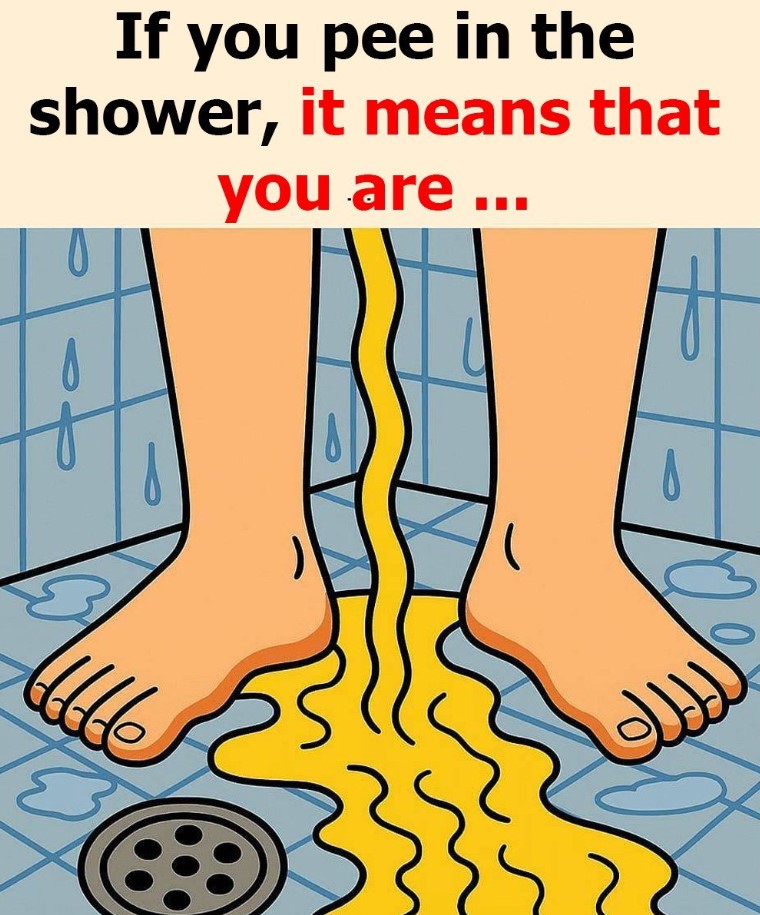
Few everyday habits create as much unexpected debate online as peeing in the shower. Some people see it as completely harmless and even environmentally friendly, while others find the idea unpleasant or unhygienic. Over the years, the topic has repeatedly gone viral because it combines science, personal habits, social norms, and health concerns into one surprisingly controversial discussion.
What makes the debate interesting is that many assumptions people have about urine are outdated or misunderstood. Some believe urine is completely sterile, while others think shower urination automatically creates serious hygiene risks. In reality, the truth is more balanced. Medical experts generally agree that peeing in your own shower is not usually dangerous for healthy individuals, though there are still a few important concerns people should understand.
At the same time, environmental supporters argue that skipping one toilet flush per day could help conserve water over time. That idea helped popularize online campaigns encouraging people to rethink the habit.
In this article, we’ll explore the real science behind peeing in the shower, the possible benefits, the hygiene concerns, and why such a simple habit continues to spark strong opinions online.
Is Peeing in the Shower Actually Unsafe?
According to several medical experts, peeing in your own shower is generally considered low-risk for most healthy people. Urine is mostly made of water and waste products, and while it is not completely sterile, healthy urine usually contains relatively low levels of bacteria.
Running water continuously washes the urine down the drain, which greatly reduces hygiene concerns in a regularly cleaned private shower.
However, experts note that certain situations may increase risks, including:
- Having a urinary tract infection (UTI)
- Using public or shared showers
- Having open wounds on the feet or legs
- Poor shower cleaning habits
In shared spaces, courtesy and hygiene become more important because bacteria can potentially spread through damp surfaces.
The Water-Saving Argument :
One of the biggest reasons some people support the habit is environmental conservation.
Toilet flushing uses a noticeable amount of water, and supporters argue that skipping even one flush per day could save gallons of water over time. Environmental campaigns promoting shower urination became widely discussed online because they connected personal habits with sustainability efforts.
People who support this argument usually claim the habit:
- Reduces water usage
- Slightly lowers utility costs
- Avoids unnecessary flushing
- Makes showers more efficient
While the total savings for one person may be small, many supporters see it as part of broader water conservation habits.
Why Some Doctors Warn Against It :
Even though the practice is generally considered safe, some medical professionals warn that regularly peeing in the shower may create bladder-training habits over time.
Experts explain that repeatedly associating running water with urination may condition the brain to feel the urge to pee whenever water is heard or felt. This could contribute to urgency or bladder control issues for some people.
There are also concerns related to pelvic floor health, especially for people who already experience:
- Incontinence
- Pelvic floor weakness
- Urinary retention problems
- Frequent urinary urgency
Some specialists recommend sitting rather than standing while urinating because it may help the pelvic floor muscles relax more naturally.
Why the Topic Creates Strong Reactions :
The debate is not only about science — it’s also about psychology and social norms.
Many people associate the shower with cleanliness, so the idea of urinating there feels emotionally unpleasant even if the actual health risk is low. Online discussions show strong disagreement between people who see it as harmless and those who find it disgusting.
Others argue that:
- Running water immediately washes everything away
- The shower is cleaned regularly anyway
- Dirt and bacteria from daily life are often far worse
This contrast between emotional discomfort and scientific explanation is one reason the topic continues to go viral.
Public Showers Are a Different Situation :
Most experts strongly distinguish between private showers and public showers.
Public showers may contain:
- Fungi
- Bacteria
- Viruses
- Skin infections
In these environments, hygiene concerns are much more serious, especially if someone has cuts or skin irritation on their feet. Wearing shower shoes or sandals is commonly recommended in shared facilities.
Common Myths About Urine :
One of the biggest misconceptions is that urine is completely sterile. Research has shown this is not entirely true. Healthy urine can still contain low levels of bacteria, though usually not enough to create problems in normal situations.
Another myth is that urine can cure infections like athlete’s foot. While this idea has circulated for years, there is no strong scientific evidence proving urine effectively treats fungal infections.
Why Social Media Keeps Reviving the Debate :
The topic continues to trend online because it combines:
- Humor
- Shock value
- Science
- Personal habits
- Environmental discussions
People enjoy debating topics that seem simple but reveal strong differences in personal behavior and beliefs. The mix of disgust, curiosity, and medical discussion makes the subject highly shareable online.
Conclusion :
The debate over peeing in the shower may seem funny or strange at first, but it actually highlights how personal habits, hygiene beliefs, and science often collide in everyday life. While medical experts generally agree that the practice is usually low-risk in a private shower for healthy individuals, there are still important exceptions involving shared spaces, infections, and certain bladder or pelvic floor conditions.
At the same time, the discussion reflects changing attitudes about water conservation and household efficiency. For some people, skipping a toilet flush feels environmentally responsible, while for others, the emotional “cleanliness factor” outweighs any practical benefit. Neither side is entirely about right or wrong — much of the debate comes down to personal comfort and hygiene preferences.
What makes the topic so fascinating is how such a small daily behavior can create such strong reactions. Some people view it as harmless and logical, while others see it as unpleasant regardless of scientific explanations. That emotional response is part of why the conversation keeps resurfacing online year after year.
In the end, the issue is less about whether peeing in the shower is universally “good” or “bad” and more about understanding the balance between hygiene, health, personal habits, and social comfort. Like many everyday behaviors, the answer depends heavily on context, cleanliness, and individual perspective.