Personality quizzes and visual perception tests have become incredibly popular online because they are entertaining, thought-provoking, and easy to try in just a few seconds. One common style of visual puzzle asks people to look at an image and notice the first thing that catches their attention. The idea behind these tests is that different people naturally focus on different details depending on their personality traits, habits, emotions, or ways of thinking.
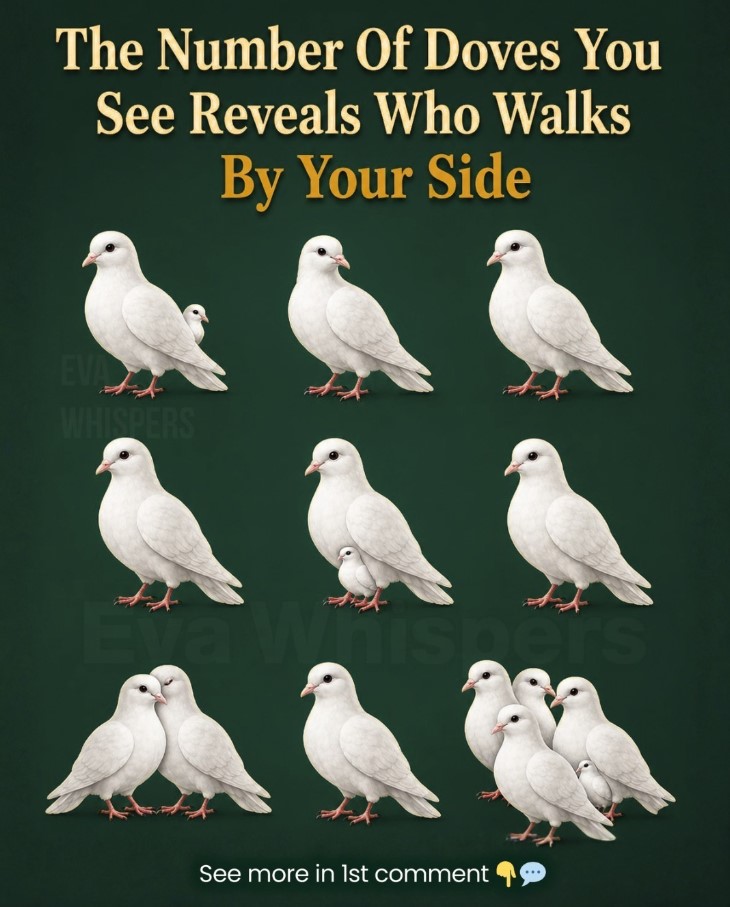
Among the many visual personality games shared online, “dove image tests” are especially popular because doves are often associated with peace, calmness, harmony, and intuition. In these puzzles, viewers are asked to quickly count or notice the number of doves they see first. Their answer is then linked to a playful personality interpretation.
While these tests are not scientific personality evaluations, many people enjoy them because they encourage self-reflection and spark interesting conversations. Sometimes the results feel surprisingly accurate, while other times they simply offer a fun way to think about different personality qualities.
The real appeal of these tests is not whether they are perfectly accurate, but how they invite people to pause, observe carefully, and reflect on themselves in a lighthearted way.
Why Visual Personality Tests Are So Popular
Visual personality tests spread quickly online because they are:
- Quick and easy to try
- Fun to share with friends
- Thought-provoking
- Visually interesting
- Designed to spark curiosity
People naturally enjoy learning about themselves, especially when the experience feels playful and relaxing rather than serious or complicated.
These kinds of quizzes also encourage people to compare answers and discuss similarities or differences in personality.
How These Visual Tests Work
Visual tests are usually based on the idea that different people notice different details first depending on:
- Attention patterns
- Visual focus
- Emotional associations
- Personal experiences
- Thinking styles
For example, one person may focus immediately on large shapes, while another notices tiny hidden details first.
Even though these tests are mainly for entertainment, they can still reveal interesting differences in perception and observation habits.
What Doves Often Symbolize
Doves have symbolic meaning in many cultures around the world. They are commonly connected with:
- Peace
- Calmness
- Hope
- Harmony
- Kindness
- Freedom
Because of these associations, dove-themed personality images often focus on emotional balance, communication, creativity, and relationships.
If You Notice Only a Few Doves First
People who quickly notice only a small number of doves are often described as:
- Focused
- Practical
- Detail-oriented
- Calm under pressure
- Careful thinkers
This type of personality may prefer simplicity and organization rather than becoming overwhelmed by too many details at once.
They may also value:
- Stability
- Clear goals
- Consistency
- Logical decision-making
These individuals often like solving problems step-by-step instead of rushing.
If You Notice a Medium Number of Doves
Those who notice a moderate number of doves are sometimes associated with balanced personalities.
Common traits may include:
- Adaptability
- Creativity
- Good communication
- Emotional awareness
- Curiosity
People in this category are often described as flexible thinkers who can balance logic and emotions effectively.
They may enjoy:
- Social interactions
- Learning new things
- Creative hobbies
- Exploring different perspectives
This type of personality often adapts well to change.
If You Notice Many Doves Quickly
People who immediately spot many doves are often linked to:
- Strong observation skills
- Imagination
- Fast thinking
- High awareness
- Curiosity about details
These individuals may naturally notice patterns, hidden elements, or visual complexity faster than others.
They are sometimes described as energetic thinkers who enjoy:
- Challenges
- Creativity
- Exploration
- Problem-solving
They may also have active imaginations and strong visual attention.
Why Different People See Different Things
Every person processes visual information differently. Factors that can influence what someone notices first include:
- Mood
- Focus level
- Personality
- Life experiences
- Attention habits
- Stress levels
This is one reason why visual personality tests feel interesting—people are often surprised that others notice completely different details in the same image.
The Psychology Behind Visual Attention
Human brains naturally filter information constantly. Since the brain cannot focus equally on every detail at once, it tends to prioritize certain shapes, patterns, or objects first.
Some people naturally focus on:
- Large shapes
- Bright contrasts
- Faces
- Symmetry
- Small hidden details
These preferences may reflect observation habits more than personality itself, but they still create fun and engaging experiences.
Why People Enjoy Personality Quizzes
Personality quizzes remain popular because they encourage:
- Self-reflection
- Curiosity
- Conversation
- Entertainment
- Relaxation
Even simple quizzes can make people think about their habits, emotions, and perspectives in new ways.
Many people also enjoy sharing results with friends and comparing interpretations.
Important Reminder About Personality Tests
It is important to remember that visual personality quizzes are mostly designed for entertainment. They are not scientific tools for measuring intelligence, emotional health, or true personality traits.
Real personality is shaped by many factors including:
- Experiences
- Values
- Relationships
- Environment
- Personal growth
A simple image cannot fully define someone’s personality.
However, these tests can still be enjoyable ways to reflect on different qualities and thinking styles.
Why Observation Skills Matter
Observation skills are useful in everyday life for:
- Problem-solving
- Communication
- Creativity
- Learning
- Safety
- Decision-making
Activities like visual puzzles and perception games can encourage people to pay closer attention to details and patterns around them.
Conclusion :
The number of doves you notice first in a visual puzzle may not scientifically define your personality, but it can still offer a fun and interesting way to think about observation styles and personal traits. Some people focus on details immediately, while others notice larger patterns or broader images first.
That difference in perception is part of what makes these personality tests entertaining and engaging. They remind us that every person sees the world a little differently, shaped by attention, experiences, and ways of thinking.
In the end, visual personality quizzes are best enjoyed as lighthearted activities that spark curiosity and conversation. Whether you notice a few doves or many, the most interesting part is discovering how uniquely each person observes the same image.