
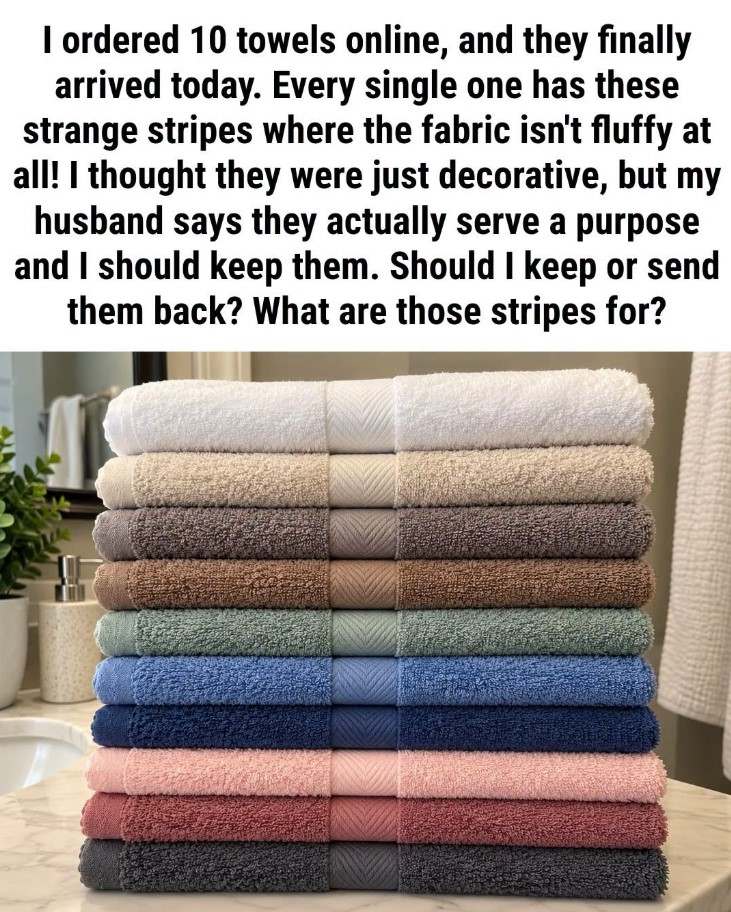
Have you ever noticed the smooth, flat strip woven into the ends of your bath towel? It looks different from the rest of the fabric. While most of the towel is covered with soft, fluffy loops, this particular section is usually flatter, tighter, and sometimes decorated with a simple pattern.
You might have assumed it was simply there to make the towel look prettier. But that little strip actually has a practical purpose.
It’s called a dobby border, and it is an important part of many towels. Although it adds a decorative touch, its tighter weave also helps stabilize the fabric and protect the towel’s edges.
Once you understand why this small detail exists, you’ll probably look at your everyday towels a little differently.
What Is the Dobby Border on a Towel?
The dobby border is the smooth, tightly woven strip usually found near one or both ends of a bath towel.
Unlike the main body of the towel, which is made with small raised loops of fabric, the dobby border has a flatter texture. It may be plain, or it may feature decorative lines, geometric patterns, or other woven designs.
The difference comes from the way the fabric is constructed.
Most traditional bath towels are made from terry cloth. This material has thousands of tiny loops that help absorb water quickly. The dobby section uses a different weaving pattern, creating a denser and flatter area.
The word “dobby” refers to a weaving technique that allows manufacturers to create small, repeated patterns directly in the fabric.
This means the design isn’t simply printed onto the towel. It is woven into the material itself.
Although the border may look like a minor decorative feature, it contributes to the towel’s overall construction.
1. It Helps Keep the Towel’s Shape
One of the main practical purposes of the dobby border is to provide additional stability near the ends of the towel.
Towels are washed frequently, exposed to warm water, detergent, and repeated drying. Over time, the fabric can stretch, shrink, or become uneven.
The main terry-cloth section is soft and absorbent, but its looped construction can make it more susceptible to changes in shape.
The dobby border is woven more tightly, giving the ends of the towel a firmer structure.
This helps the towel maintain a more consistent shape and reduces the likelihood of the edges becoming distorted during everyday use.
It doesn’t make a towel completely resistant to shrinking or stretching, but it is one feature that contributes to its construction and durability.
2. It Helps Protect the Towel From Fraying
Another important function of the dobby border is helping protect the towel’s edges.
The loops throughout a terry towel are what make it so effective at absorbing moisture. However, loose or damaged loops can sometimes catch on other objects, pull, or unravel.
The edges of a towel are particularly important because they need to hold the fabric together.
A tightly woven border provides a more stable transition between the absorbent terry fabric and the finished edge.
This helps reduce the risk of excessive unraveling and contributes to the towel’s overall durability.
Of course, the dobby border isn’t the only thing preventing a towel from falling apart. The hemmed edges and stitching also play an important role.
Together, these construction details help a towel withstand regular washing and use.
3. It Adds a Decorative Touch
While the dobby border has practical benefits, it also makes towels look more attractive.
Manufacturers often use this section to introduce patterns, textures, and subtle details that would be difficult to create in the fluffy terry portion.
Some towels have simple parallel lines, while others feature more elaborate geometric designs.
These patterns can make an ordinary towel look more elegant without requiring additional decorations or embroidery.
The border can also help coordinate towels with bathroom colors and interior designs.
For example, a white towel with a textured border may look more sophisticated than a completely plain towel. A colored dobby pattern can also create a coordinated appearance when paired with matching bath mats or shower curtains.
In hotels and spas, these details help give towels a neat, finished appearance.
4. It Gives Towels a More Professional Appearance
Have you ever noticed how hotel towels often look neatly folded and carefully arranged?
The dobby border helps create that polished appearance.
Because the strip is flatter and more structured than the rest of the towel, it provides a natural visual finishing point.
When towels are folded or stacked, the border can be positioned so that the decorative section remains visible.
This makes the towels look organized and consistent.
Hotels may also use specially designed borders with patterns, colors, or even identifying details that match their branding.
It’s a small feature, but it can make a noticeable difference in how a towel looks when displayed.
5. Why Is the Dobby Border Less Fluffy?
The difference in texture is intentional.
The main section of a towel is designed to absorb water. Its raised loops increase the amount of surface area available to collect moisture.
The dobby border is woven more tightly and does not have the same raised loops.
As a result, it feels smoother and less absorbent than the rest of the towel.
This doesn’t mean the border is defective or that the towel is poorly made. It simply has a different purpose.
The towel’s main body is designed for drying, while the border provides structural support and decoration.
That’s why you may notice that the strip feels slightly firmer when you run your fingers across it.
6. Why Do Some Towels Have One Border While Others Have Two?
The number and placement of dobby borders depend on the towel’s design.
Some bath towels have one decorative strip near the bottom. Others have matching borders near both ends.
Hand towels and washcloths may also have smaller versions of the same feature.
Manufacturers choose the design according to the size, style, and intended appearance of the product.
There isn’t one universal rule that every towel must follow.
Some simple towels have very narrow borders, while luxury designs may feature wider sections with more detailed patterns.
The main idea remains the same: the border provides a finished appearance and contributes to the construction of the towel.
How to Keep Your Towels and Dobby Borders in Good Condition
Now that you know why this little strip matters, it’s worth taking a few simple steps to keep your towels looking and feeling good.
1. Wash Towels According to the Care Label
Always check the manufacturer’s washing instructions.
Most everyday cotton towels can be washed in a washing machine using a suitable detergent and the recommended water temperature.
Avoid using excessively hot water unless the care label specifically allows it.
Regular washing helps remove body oils, dirt, and product residue that can collect in towel fibers.
2. Avoid Overloading the Washing Machine
Towels need enough room to move freely during the wash cycle.
When a washing machine is overloaded, fabrics may not rinse properly, and the extra friction can contribute to unnecessary wear.
Wash towels in manageable loads and separate them from clothing with zippers, hooks, or other rough details that could catch on the loops.
3. Be Careful With Fabric Softener
Fabric softener can make towels feel softer, but frequent or excessive use may leave a coating on the fibers.
That residue can reduce absorbency over time.
If your towels no longer dry as effectively as they once did, consider reducing fabric softener use.
A suitable detergent and proper rinsing are usually enough to keep towels fresh and comfortable.
4. Dry Towels Properly
After washing, remove towels promptly and dry them according to the care label.
Avoid leaving damp towels sitting in the washing machine for long periods because this can encourage unpleasant odors.
If using a tumble dryer, choose an appropriate setting rather than relying on excessive heat.
You can also air-dry towels in a well-ventilated area.
Make sure they are completely dry before folding and storing them.
5. Don’t Pull Loose Threads
Sometimes a towel develops a loose loop or a small thread along its border.
It can be tempting to pull it, but doing so may cause additional threads to unravel.
Instead, carefully trim a loose thread with small scissors without cutting into the surrounding fabric.
If the border is significantly damaged, a simple repair may help prevent the problem from spreading.
What Should You Do If the Dobby Border Starts to Fray?
Even well-made towels eventually show signs of wear.
If you notice a few loose threads around the dobby border, don’t immediately throw the towel away.
Here are a few ways to deal with minor damage:
- Trim loose threads carefully: Use small scissors to remove individual loose ends. Never pull them.
- Check the stitching: If the hem is coming undone, a few careful stitches may help secure it again.
- Avoid excessive heat: Follow the care instructions to reduce unnecessary stress on the fabric.
- Reuse badly damaged towels: If a towel is no longer suitable for bathroom use, it can become a cleaning cloth, pet towel, or reusable household rag.
For larger areas of damage, consider sewing the edge properly rather than relying on fabric glue, which may not withstand repeated washing.
Frequently Asked Questions
Is the Flat Strip on a Towel Called a Dobby Border?
Yes. The smooth, tightly woven section near the ends of many towels is commonly called a dobby border. It differs from the fluffy terry-cloth body and can be both functional and decorative.
Does the Dobby Border Make a Towel More Absorbent?
Not necessarily. The main terry-cloth section is designed to absorb water through its raised loops. The dobby border is flatter and generally less absorbent.
Its purpose is more closely related to the towel’s construction, stability, and appearance.
Do All Towels Have a Dobby Border?
No. Some towels have decorative dobby borders, while others have simple hems or different finishing techniques.
The design depends on the manufacturer and the style of the towel.
Can I Cut Off the Dobby Border?
It’s generally not a good idea to cut it off.
The border is part of the towel’s woven construction, and removing it may damage the surrounding fabric or cause the edge to unravel.
If you dislike the appearance of the border, it’s better to choose a towel with a simpler design rather than altering the one you already have.
Why Does My Towel’s Border Feel Stiffer Than the Rest?
The border is woven more tightly than the terry-cloth section, so it naturally feels firmer and flatter.
This difference is intentional and helps give the towel a more structured finish.
Does the Dobby Border Prevent Towels From Shrinking?
It can help stabilize the ends of the towel, but it cannot completely prevent shrinkage.
The overall fabric may still shrink if exposed to unsuitable washing or drying conditions. Following the care label is the best way to help maintain the towel’s original size.
Conclusion: A Small Detail With an Important Purpose
It’s easy to overlook the smooth strip at the end of a towel. Most people probably never give it a second thought because they’re more interested in how soft and absorbent the towel feels.
But that little section, known as the dobby border, is more than just decoration.
Its tighter weave helps stabilize the towel’s edges, contributes to its durability, and provides a neat finishing detail. At the same time, its decorative patterns give manufacturers an opportunity to make ordinary towels look more attractive and elegant.
The next time you pick up a bath towel, take a closer look at that flat strip. You’ll now know why it feels different from the rest of the fabric and why manufacturers include it in so many designs.
Sometimes, the smallest details in everyday household items have the most interesting explanations. And something as ordinary as a towel can remind us that even simple products are often designed with more thought than we realize.