Have you ever heard someone ask, “What generation are you?” and wondered why it matters so much? Terms like Millennials, Gen Z, and Baby Boomers are everywhere—on social media, in conversations, and even in the workplace. But behind these labels is a bigger idea about how people grow up, think, and experience the world.
Generations aren’t just random names. They’re groups of people born around the same time who share similar life experiences, shaped by the world they grew up in. Things like technology, culture, global events, and even economic conditions all play a role in shaping how each generation sees life.
Understanding generations isn’t about putting people into boxes—it’s about recognizing patterns and differences that help explain how society evolves over time.
What Is a “Generation”?
A generation is generally defined as a group of people born within a certain time period—often around 15 to 30 years—who share similar experiences growing up.
These shared experiences might include:
- Major world events
- Advances in technology
- Cultural trends
- Changes in education and lifestyle
Because of this, people in the same generation often develop similar habits, values, and ways of thinking.
The Main Generations Explained
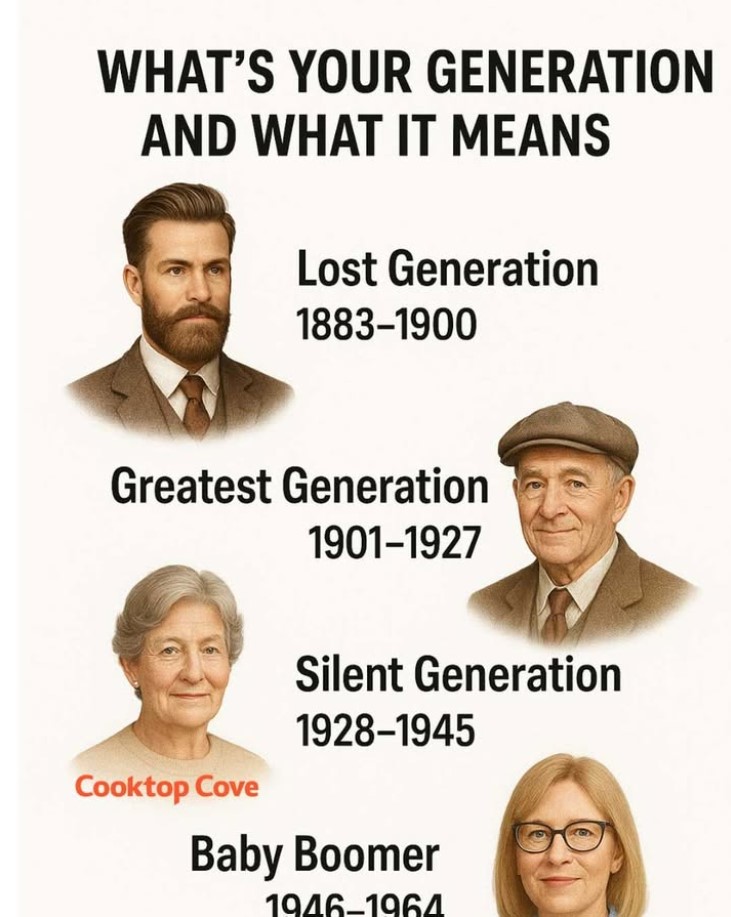
While exact dates can vary slightly depending on the source, here are the most commonly recognized generations:
1. Baby Boomers (1946–1964)
This generation was born after World War II during a time of rapid population growth. They are often associated with strong work ethics and traditional values.
2. Generation X (1965–1979)
Gen X grew up during a time of social change and early technological development. They are often seen as independent and adaptable.
3. Millennials (1980–1994)
Also known as Gen Y, Millennials grew up during the rise of the internet and digital technology. They experienced major shifts like social media and globalization.
4. Generation Z (1995–2012)
Gen Z is the first generation to grow up fully in the digital age, surrounded by smartphones, fast internet, and social media from a young age.
5. Generation Alpha (2013–Present)
This is the newest generation, still growing up today. They are expected to be the most tech-connected generation yet, with exposure to advanced digital tools from early childhood.
Why Generations Matter
Generational labels help people understand how different age groups:
- Communicate
- Use technology
- View work and education
- Respond to social and cultural changes
For example:
- Older generations may prefer face-to-face communication
- Younger generations often rely more on digital communication
These differences don’t define individuals, but they do highlight general trends.
Are These Labels Always Accurate?
Not exactly.
There’s no official rule that defines generations, and the boundaries can vary depending on who you ask.
Also:
- People at the edge of two generations may relate to both
- Culture and country can change generational experiences
- Not everyone fits the “typical” traits of their group
So while generations are helpful, they’re not absolute.
Why People Care So Much About Generations
Generations give people a way to:
- Understand themselves and others
- Explain differences between age groups
- Talk about social trends and changes
They also make it easier to discuss how the world is changing from one group to the next.
Conclusion :
Generations are more than just labels—they’re a way of understanding how people are shaped by the time they live in. From Baby Boomers to Generation Alpha, each group reflects the world it grew up in, influenced by technology, culture, and major life events.
However, it’s important to remember that these categories are general guidelines, not strict definitions. Everyone’s experience is unique, even within the same generation. While these labels can help explain patterns and trends, they don’t fully define who someone is.
In the end, knowing your generation can be interesting and even helpful, but it’s just one small part of a much bigger picture. What truly matters is how individuals think, grow, and connect—regardless of the label attached to them.