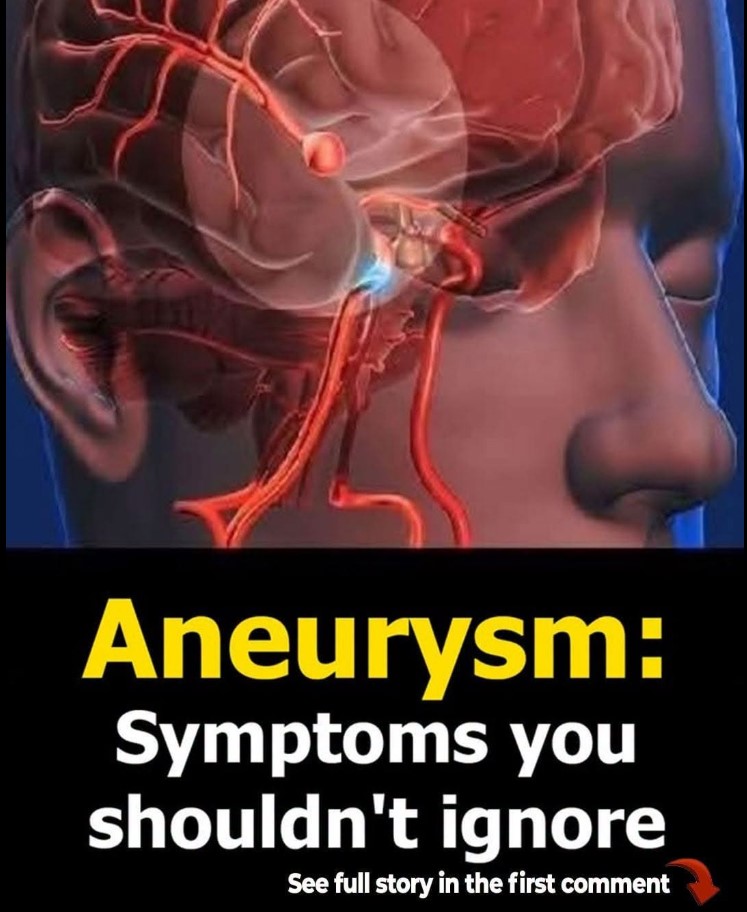
An aneurysm is a serious medical condition that often develops silently, without causing obvious symptoms until it becomes a medical emergency. It occurs when a weakened section of a blood vessel wall begins to bulge or balloon outward. While some aneurysms remain stable for years without causing problems, others can enlarge over time and, in severe cases, rupture, leading to life-threatening internal bleeding.
The challenge is that many people don’t realize they have an aneurysm until symptoms suddenly appear. Knowing the possible warning signs doesn’t mean every headache or ache is cause for alarm, but recognizing symptoms that require prompt medical evaluation can make a significant difference. This article explains what an aneurysm is, who is most at risk, and twelve warning signs that should never be ignored.
What Is an Aneurysm?
An aneurysm develops when part of an artery weakens and expands under the pressure of flowing blood. Although aneurysms can occur in almost any artery, they are most commonly found in:
- The brain (cerebral aneurysm)
- The aorta, the body’s largest artery (aortic aneurysm)
- The abdomen (abdominal aortic aneurysm)
- The chest (thoracic aortic aneurysm)
Not every aneurysm will rupture. Some are discovered accidentally during imaging tests performed for unrelated reasons, while others remain undetected for years.
Who Is at Greater Risk?
Anyone can develop an aneurysm, but several factors increase the likelihood:
- High blood pressure
- Smoking
- Family history of aneurysms
- Increasing age
- Atherosclerosis (hardening of the arteries)
- Certain inherited connective tissue disorders
- Previous aneurysm history
Managing these risk factors can help lower the chances of developing or worsening an aneurysm.
1. A Sudden, Extremely Severe Headache
One of the best-known warning signs of a ruptured brain aneurysm is a sudden headache often described as “the worst headache of my life.”
Unlike an ordinary migraine or tension headache, this pain usually reaches maximum intensity within seconds or minutes and may be accompanied by nausea, vomiting, neck stiffness, or confusion.
A sudden severe headache should always be evaluated immediately.
2. Blurred or Double Vision
An enlarging brain aneurysm can press against nearby nerves responsible for vision.
Possible symptoms include:
- Blurred vision
- Double vision
- Difficulty focusing
- Loss of part of the visual field
Although many eye problems have harmless causes, sudden visual changes deserve prompt medical attention.
3. Pain Around or Behind One Eye
Pressure from certain brain aneurysms may produce persistent pain behind one eye or around the eyebrow.
This discomfort may gradually worsen or occur alongside other neurological symptoms.
4. A Drooping Eyelid
Compression of nerves controlling the eyelid can sometimes cause one eyelid to droop noticeably.
This symptom may develop gradually and can occur together with changes in pupil size or double vision.
5. Unequal Pupil Size
One pupil becoming noticeably larger than the other without an obvious explanation can signal pressure on the nerves supplying the eye.
Although unequal pupils have many possible causes, sudden changes should never be ignored.
6. Neck Pain or Stiffness
If bleeding occurs around the brain after an aneurysm ruptures, irritation of surrounding tissues can cause severe neck stiffness.
This symptom often appears together with:
- Headache
- Sensitivity to light
- Nausea
- Vomiting
7. Sensitivity to Light
Bright light may become painful after bleeding into the space surrounding the brain.
While light sensitivity commonly occurs with migraines, its appearance alongside sudden severe headache requires urgent medical assessment.
8. Weakness or Numbness
Depending on its location, an aneurysm may affect areas of the brain responsible for movement or sensation.
Possible symptoms include:
- Weakness on one side of the body
- Facial numbness
- Difficulty lifting an arm
- Trouble walking
These symptoms may resemble those of a stroke and should always be treated as a medical emergency.
9. Difficulty Speaking
Sudden trouble speaking clearly, understanding language, or finding words may indicate that blood flow to parts of the brain has been disrupted.
Whether caused by an aneurysm, stroke, or another neurological condition, immediate medical evaluation is essential.
10. Sudden Dizziness or Loss of Balance
Feeling unexpectedly dizzy, unsteady, or unable to coordinate movements can sometimes accompany aneurysm-related complications.
Although dizziness has many less serious causes, persistent or sudden symptoms—especially when combined with headache or weakness—require prompt assessment.
11. Chest, Back, or Abdominal Pain
Not all aneurysms occur in the brain.
An aortic aneurysm may cause:
- Deep chest pain
- Upper back pain
- Pain between the shoulder blades
- Abdominal pain
- A pulsating sensation in the abdomen
Large or rapidly expanding aneurysms may produce these symptoms before becoming life-threatening.
12. Sudden Collapse or Loss of Consciousness
If an aneurysm ruptures, internal bleeding can rapidly reduce blood flow to the brain.
Possible symptoms include:
- Fainting
- Loss of consciousness
- Confusion
- Seizures
- Cardiac arrest in severe cases
A ruptured aneurysm is a medical emergency that requires immediate treatment.
Symptoms That Require Immediate Emergency Care
Seek emergency medical attention immediately if someone experiences:
- A sudden, explosive headache.
- Loss of consciousness.
- Sudden weakness or paralysis.
- Difficulty speaking.
- Sudden vision changes.
- Severe chest or abdominal pain.
- Seizures.
Quick treatment can significantly improve outcomes.
Can Aneurysms Be Prevented?
Not every aneurysm can be prevented, but healthy lifestyle choices can reduce risk.
Helpful habits include:
- Keeping blood pressure under control.
- Avoiding smoking and tobacco products.
- Exercising regularly.
- Eating a balanced diet rich in fruits, vegetables, and whole grains.
- Maintaining a healthy weight.
- Managing diabetes and cholesterol.
- Attending regular medical checkups, especially if you have a family history.
How Are Aneurysms Diagnosed?
Doctors may use several imaging tests depending on the suspected location:
- CT scans
- MRI scans
- CT angiography (CTA)
- MR angiography (MRA)
- Ultrasound (commonly for abdominal aortic aneurysms)
Early diagnosis often allows doctors to monitor or treat aneurysms before complications develop.
Treatment Options
Treatment depends on the aneurysm’s size, location, growth rate, and overall health of the patient.
Possible approaches include:
- Regular imaging and monitoring.
- Blood pressure management.
- Lifestyle changes.
- Surgical repair.
- Endovascular procedures such as coil embolization or stent graft placement for selected patients.
Not every aneurysm requires immediate surgery, but all should be evaluated by qualified medical professionals.
Don’t Ignore Persistent Symptoms
Many of the symptoms listed above can also result from far less serious conditions such as migraines, muscle strain, or eye problems. However, when symptoms appear suddenly, become unusually severe, or occur together—especially neurological symptoms like weakness, confusion, vision changes, or difficulty speaking—they should never be dismissed. Seeking prompt medical attention can help doctors identify the cause and begin appropriate treatment as quickly as possible.
Conclusion :
Aneurysms are often called “silent” conditions because they may develop without causing noticeable symptoms until they become dangerous. While most headaches, vision problems, or episodes of dizziness are not caused by an aneurysm, understanding the warning signs can help you recognize when a symptom deserves urgent medical evaluation. Sudden, severe headaches, unexplained neurological changes, chest or abdominal pain, and other unusual symptoms should never be ignored, especially if they appear without warning or rapidly worsen.
Although it’s impossible to prevent every aneurysm, adopting healthy habits such as controlling blood pressure, avoiding smoking, staying physically active, and attending regular medical checkups can reduce your overall risk. Individuals with a family history of aneurysms or inherited conditions affecting blood vessels should discuss screening options with their healthcare provider, as early detection may identify aneurysms before they become life-threatening.
Most importantly, remember that only a qualified healthcare professional can diagnose an aneurysm. This article is intended to raise awareness—not to encourage self-diagnosis. If you or someone around you experiences symptoms suggestive of a ruptured aneurysm or stroke, seek emergency medical care immediately. Acting quickly can save lives and greatly improve the chances of recovery.