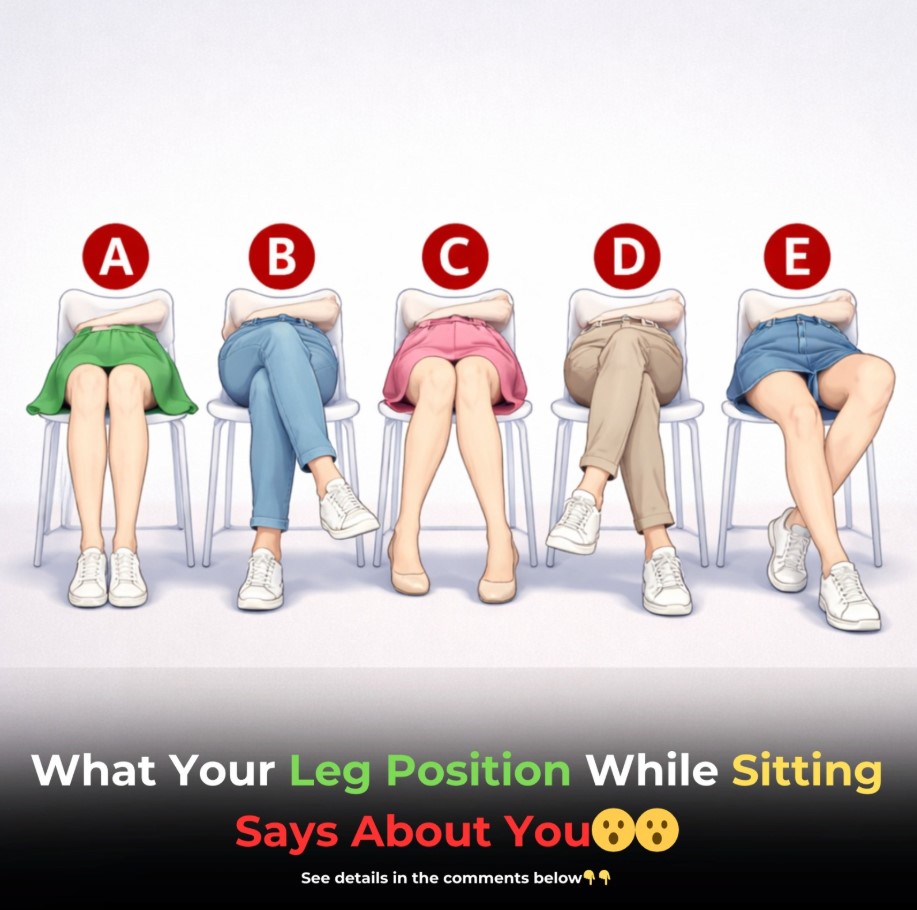
We rarely think about how we sit. Whether we’re working, relaxing, or chatting with friends, our sitting position usually happens automatically—without any conscious effort. But what if something as simple as the way you sit could reveal hidden clues about your personality, mood, or even your confidence level?
Body language experts have long suggested that small, unconscious habits—like posture and sitting style—can communicate more than words. While these interpretations aren’t exact science, they can offer interesting insights into how we feel and how others may perceive us.
So, what does your favorite sitting position actually say about you? Let’s explore the most common ones and what they might reveal.
Why sitting position matters
Sitting is something we do every day, often for hours at a time. And while it’s important for physical health (like maintaining good posture), it also plays a role in non-verbal communication.
Your sitting style can reflect:
- Your level of confidence or insecurity
- Whether you feel comfortable or tense
- Your engagement in a conversation
For example, sitting upright with an open posture can signal confidence and attentiveness, while slouching or closing yourself off may suggest discomfort or lack of interest.
1. Sitting upright (back straight, feet flat)
If you tend to sit with your back straight and posture aligned:
You likely appear:
- Confident
- Self-assured
- Focused
This position is often associated with strong presence and reliability. People who sit this way are often perceived as organized and in control.
2. Legs crossed at the knee
This is one of the most common sitting styles.
It may suggest:
- A reserved or cautious personality
- A desire to appear composed
- Sometimes insecurity or self-protection
However, context matters. Crossing your legs toward someone can also signal interest, while crossing away may indicate distance.
3. Sitting cross-legged (on the floor or chair)
If you often sit cross-legged:
You may be:
- Open-minded
- Relaxed
- Creative and easygoing
This position is often linked to comfort and a carefree attitude. It can also suggest emotional flexibility and openness to new ideas.
4. Ankles crossed (feet tucked neatly)
This more subtle posture can reveal:
Traits like:
- Calmness
- Self-control
- Quiet confidence
People who sit this way are often seen as composed and not overly expressive, but still secure in themselves.
5. Leaning forward
If you naturally lean forward while sitting:
It usually means:
- You’re engaged and interested
- You’re actively listening
- You’re focused on what’s happening
This is a strong signal of attention and involvement in conversations.
6. Leaning back or slouching
This position can have mixed meanings depending on the situation.
It may suggest:
- Relaxation and comfort
- Or boredom and disengagement
Slouching in particular can sometimes reflect low energy or lack of interest, and it may even affect your mood over time.
7. Taking up a lot of space (open posture)
If you sit with your legs apart or arms spread out:
This can signal:
- Confidence
- Dominance
- A strong sense of presence
People who use more space are often perceived as assertive or in control of the situation.
8. Sitting stiffly or holding onto armrests
If you sit rigidly or grip armrests:
It may indicate:
- Nervousness
- Insecurity
- A need for stability or control
This posture can reflect tension or discomfort in certain situations.
Important note: it’s not an exact science
While these interpretations are interesting, they’re not definitive.
Your sitting position can also depend on:
- Your environment
- Your mood
- Physical comfort or habit
In fact, experts note that posture is influenced by many factors, including the type of chair and what you’re doing at the time.
So it’s best to see these meanings as general tendencies—not strict rules.
Can your posture affect how you feel?
Interestingly, the relationship goes both ways.
- Sitting upright can boost focus and alertness
- Slouching can contribute to low energy or negative mood
This shows that body language doesn’t just reflect how you feel—it can also influence it.
Conclusion :
The way you sit might seem like a small detail, but it can reveal subtle clues about your personality, emotions, and mindset. From confident upright posture to relaxed cross-legged positions, each style sends signals—both to others and to yourself.
While these interpretations shouldn’t be taken too literally, they can help you become more aware of your body language and how it shapes first impressions. Sometimes, even a small adjustment—like sitting up straighter or opening your posture—can change how you feel and how others perceive you.
In the end, your sitting position is just one piece of the puzzle. It doesn’t define who you are—but it can offer a fascinating glimpse into how you carry yourself in the world.