
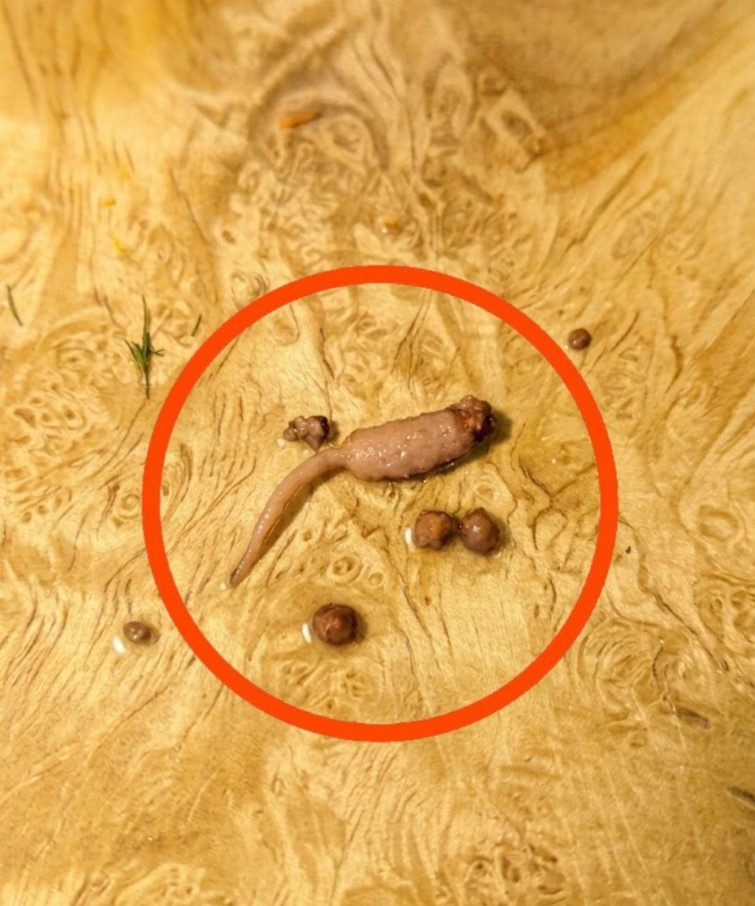
Cooking ground beef is something most of us do without thinking twice—until something looks a little unusual. Maybe the color seems off, the texture changes in an unexpected way, or something appears in the pan that raises concern.
That moment of hesitation is completely normal: Is this safe to eat, or should it be thrown away?
Ground beef can behave in ways that seem strange but are actually normal. At the same time, certain signs can indicate spoilage or a potential food safety issue. Understanding the difference is essential for both confidence in the kitchen and your health.
Let’s break down what might be happening and how to tell if your ground beef is safe.
What’s normal when cooking ground beef
Color changes are expected
Raw ground beef is usually:
- Bright red on the outside
- Darker or slightly brown on the inside
As it cooks, it changes from red to pink to brown. This is a natural process and indicates that the meat is cooking properly.
Liquid in the pan
During cooking, you may notice liquid forming in the pan.
This can be:
- Water released from the meat
- Melted fat
This is completely normal, especially with higher-fat ground beef.
Texture changes
Ground beef may:
- Clump together
- Break apart
- Appear slightly sticky when raw
These changes are due to how the meat is processed and do not necessarily indicate a problem.
Things that may look unusual but are usually harmless
Slight gray or brown color before cooking
Ground beef can turn brown due to reduced oxygen exposure. This does not always mean it is spoiled.
Foam or bubbling during cooking
You may notice light foam or bubbling in the pan. This is typically a reaction between water and fat as they heat up.
Uneven cooking color
Some areas may brown faster than others. This is normal—just continue cooking until the meat is fully browned.
Warning signs the beef may not be safe
1. Strong or unpleasant smell
If the meat smells sour, rotten, or unusual, it should not be used.
2. Slimy surface before cooking
If raw ground beef feels slimy or overly sticky in an unpleasant way, it may indicate bacterial growth.
3. Dull gray color throughout
If the meat is gray both inside and out before cooking, rather than just slightly discolored, it may be spoiled.
4. Unusual pieces or texture
If you notice hard fragments or pieces that do not look like normal meat, it could be connective tissue or something abnormal. If anything looks questionable, it is safer to discard it.
The most important rule
Ground beef is more sensitive than whole cuts of meat because:
- It has more surface area
- Bacteria can spread more easily
If something seems wrong, it is best not to take the risk.
How to make sure ground beef is safe
Cook thoroughly
Ground beef should reach an internal temperature of 160°F (71°C) to ensure harmful bacteria are destroyed.
Store properly
- Use within 1–2 days if refrigerated
- Freeze if not used promptly
Avoid leaving it out
Do not leave raw or cooked ground beef at room temperature for extended periods.
Why ground beef can seem inconsistent
Ground beef is made from a mix of different cuts, which means:
- Texture can vary
- Fat content differs
- Appearance is not always uniform
This variation is normal and explains why one package may look different from another.
Conclusion :
Noticing something unusual while cooking ground beef can be concerning, but many changes in color, texture, and moisture are part of the normal cooking process. Understanding these signs can help you avoid unnecessary worry.
At the same time, it is important to trust clear warning signs such as bad odors, unusual textures, or signs of spoilage. When in doubt, it is always safer to discard the meat.
With a basic understanding of what is normal and what is not, you can handle ground beef with confidence and ensure that your meals are both safe and enjoyable.