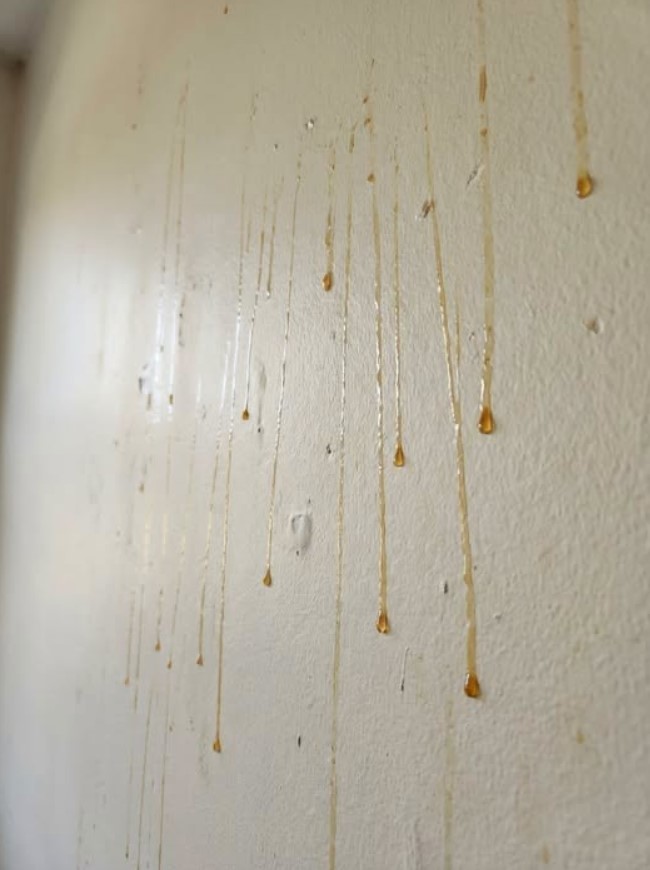
Discovering sticky yellow or amber-colored streaks slowly running down your bathroom walls can be alarming. At first glance, the stains may look like water damage, leaking pipes, mold, or even something seeping through the paint. Because bathrooms are naturally warm and humid environments, many homeowners immediately assume the worst and worry that an expensive repair is around the corner.
Fortunately, yellow drips on bathroom walls aren’t always a sign of a serious structural problem. In many cases, they’re caused by a combination of moisture, condensation, residue from household products, or substances that have accumulated on painted surfaces over time. However, there are situations where the stains can indicate underlying issues that deserve closer attention, such as excessive humidity, nicotine residue, surfactant leaching from fresh paint, or even hidden water intrusion.
Knowing the difference between harmless cosmetic staining and signs of a larger problem can save both time and money. Let’s explore the most common reasons yellow streaks appear on bathroom walls, how to identify the source, and what you can do to prevent them from returning.
What Do the Yellow Drips Look Like?
The streaks often appear as:
- Thin amber or yellow lines.
- Sticky droplets running downward.
- Small beads of liquid forming on painted walls.
- Irregular streaks that become more noticeable after a hot shower.
Sometimes they wipe away easily, while in other cases they return repeatedly despite cleaning.
One Common Cause: Surfactant Leaching
One of the most common—and least understood—causes of yellow drips is surfactant leaching.
Surfactants are ingredients used in many water-based latex paints to help pigments spread evenly during manufacturing and application.
Under certain conditions, especially in bathrooms with frequent moisture, these compounds can migrate to the surface of the paint and create yellow or brown sticky streaks.
Why It Happens
Surfactant leaching is more likely when:
- The paint is relatively new.
- Humidity remains high.
- Ventilation is poor.
- Walls experience repeated condensation.
Although it may look alarming, surfactant leaching is generally a cosmetic issue rather than a structural problem.
Condensation Can Carry Surface Residue
Bathrooms generate significant moisture every day.
Hot showers fill the room with steam, which condenses on cooler walls and ceilings.
As water droplets run downward, they may dissolve and carry:
- Dust
- Soap residue
- Oils
- Airborne particles
- Tiny contaminants already resting on the paint
When the water evaporates, yellowish streaks may remain behind.
Nicotine Residue in Older Homes
If someone previously smoked inside the home, years of nicotine and tobacco residue may remain trapped on painted walls—even after repainting.
Warm steam can slowly dissolve these deposits, allowing yellow or brown liquid to seep through the paint and drip downward.
This is especially common in bathrooms because humidity repeatedly softens surface contaminants.
Cooking Grease and Household Oils
In some homes, airborne cooking oils gradually settle throughout the house.
Although kitchens receive most of the buildup, nearby bathrooms or shared ventilation systems can allow fine grease particles to accumulate on walls over time.
When exposed to moisture, these residues may create sticky yellow streaks that resemble leaks.
Could It Be a Water Leak?
Sometimes yellow staining can indicate moisture entering the wall from another source.
Possible causes include:
- Plumbing leaks.
- Roof leaks.
- Water intrusion around windows.
- Damaged caulking.
- Condensation inside wall cavities.
If the stains are accompanied by soft drywall, bubbling paint, peeling surfaces, or musty odors, further investigation is recommended.
Mold Isn’t Always Black
Many people associate mold with dark patches, but moisture-related problems can sometimes produce discoloration ranging from yellow to orange or brown.
If the area:
- Feels damp.
- Has a persistent musty smell.
- Continues expanding.
- Shows fuzzy growth,
it may be worth inspecting for hidden mold or moisture issues.
Hard Water Minerals
In homes with hard water, mineral deposits can occasionally contribute to yellow staining.
Repeated splashing or condensation containing dissolved minerals may leave behind:
- Calcium
- Iron
- Magnesium
These minerals can produce colored deposits over time, particularly near showers and sinks.
Poor Bathroom Ventilation
Bathrooms without effective ventilation experience higher humidity for longer periods.
Excess moisture:
- Encourages condensation.
- Slows drying.
- Promotes staining.
- Increases the likelihood of surfactant leaching.
Running an exhaust fan during and after showers helps remove humid air before it condenses on walls.
Cleaning the Streaks
The appropriate cleaning method depends on the cause.
For mild residue:
- Warm water
- Mild dish soap
- Soft microfiber cloth
- Non-abrasive sponge
Avoid harsh scrubbing, which can damage painted surfaces.
If surfactant leaching is responsible, repeated gentle cleaning may gradually reduce the appearance as the paint fully cures.
When Repainting May Help
If staining repeatedly returns despite cleaning, repainting with a high-quality bathroom paint designed for humid environments may provide a longer-lasting solution.
Before repainting:
- Clean the walls thoroughly.
- Allow surfaces to dry completely.
- Address any moisture problems.
- Prime stained areas if necessary.
Proper preparation greatly improves the durability of the new finish.
How to Reduce Future Staining
Simple maintenance habits can make a noticeable difference.
Consider:
- Running the exhaust fan for 20–30 minutes after showering.
- Opening a window when possible.
- Wiping excess condensation from walls.
- Cleaning bathroom surfaces regularly.
- Repairing leaks promptly.
These practices help reduce moisture buildup and minimize residue accumulation.
Is It Dangerous?
In many cases, yellow drips caused by surfactant leaching or surface residue are primarily cosmetic and pose little direct risk.
However, if staining is accompanied by:
- Persistent dampness.
- Soft drywall.
- Peeling paint.
- Mold growth.
- Water damage.
the underlying cause should be investigated to prevent more significant problems.
Why Bathrooms Are Especially Vulnerable
Bathrooms experience some of the highest humidity levels in the home.
Daily activities such as:
- Hot showers.
- Baths.
- Running hot water.
- Drying wet towels.
all introduce moisture into the air.
Without proper ventilation, this moisture repeatedly condenses on cooler surfaces, increasing the likelihood of staining and other moisture-related issues.
Common Myths
Myth: Yellow Drips Always Mean a Plumbing Leak.
Fact: Many yellow streaks are caused by paint additives, condensation, or household residue rather than leaking pipes.
Myth: Every Yellow Stain Is Mold.
Fact: Mold can discolor surfaces, but surfactant leaching, nicotine, grease, and mineral deposits are also common possibilities.
Myth: Simply Painting Over the Stains Solves the Problem.
Fact: Unless the underlying cause is addressed, the stains may eventually return through the new paint.
When to Seek Professional Help
While many yellow streaks can be handled with routine cleaning and improved ventilation, some situations call for expert evaluation. If the stains continue to spread, appear alongside water damage, or are accompanied by a persistent musty odor, a professional inspection can help identify hidden leaks or moisture problems before they become more expensive to repair. Addressing the root cause early is often far easier than dealing with extensive damage later.
Conclusion :
Yellow streaks running down bathroom walls may look alarming, but they are not always a sign of a serious problem. In many homes, the culprit is something relatively harmless, such as surfactant leaching from latex paint, condensation carrying surface residue, or years of accumulated nicotine, grease, or dust being dissolved by steam. Because bathrooms experience frequent humidity and temperature changes, they are especially prone to these cosmetic issues. Understanding the possible causes can help you avoid unnecessary worry while taking the right steps to identify the source.
At the same time, it’s important not to ignore recurring stains that are accompanied by peeling paint, soft drywall, mold, or persistent moisture. These signs may point to hidden plumbing leaks, roof problems, or inadequate ventilation that should be addressed promptly. A careful inspection of the affected area, combined with regular cleaning and improved airflow, often resolves minor issues before they develop into larger repairs.
The best long-term strategy is prevention. Using your bathroom exhaust fan consistently, reducing excess humidity, maintaining clean painted surfaces, and repairing leaks as soon as they appear will go a long way toward keeping your walls in good condition. Whether the yellow drips turn out to be harmless paint residue or the first sign of a moisture problem, understanding what’s happening allows you to respond confidently and protect both your bathroom and your home for years to come.