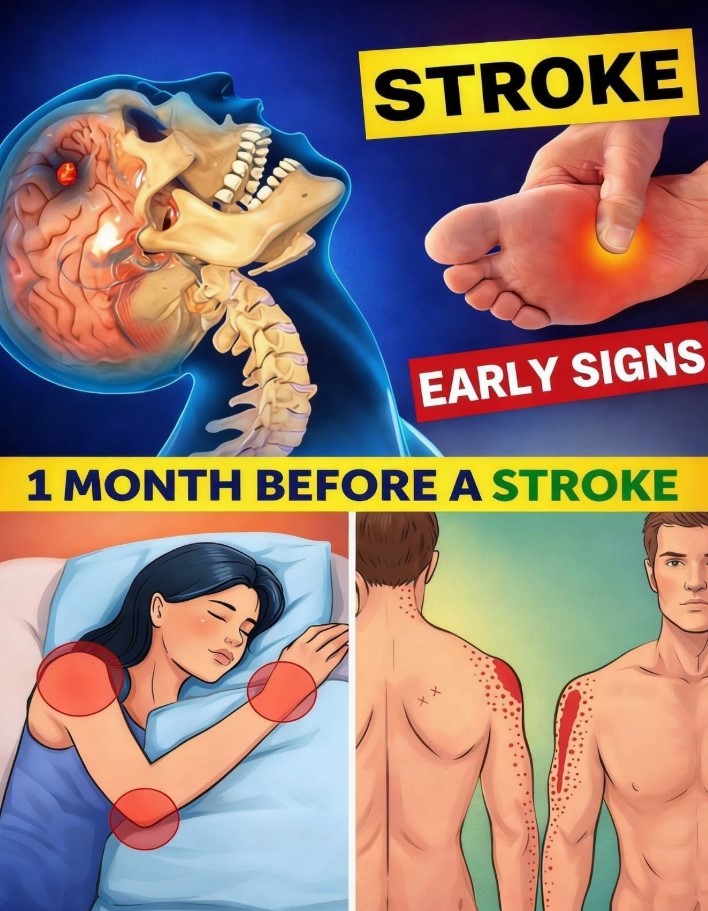
A stroke is one of the leading causes of death and long-term disability worldwide, yet many people don’t realize that the body may sometimes provide warning signs before a major event occurs. While strokes often happen suddenly and require immediate emergency treatment, some individuals experience temporary symptoms or health changes in the days or weeks leading up to a stroke. Recognizing these early warning signs can encourage prompt medical evaluation and may help prevent a more serious event.
It’s important to understand that there is no guaranteed list of symptoms that always appear a month before a stroke. However, certain temporary neurological symptoms—especially those caused by a transient ischemic attack (TIA), often called a “mini-stroke”—can serve as critical warning signals. These episodes should never be ignored, even if they disappear within minutes.
In this article, we’ll explore eight possible warning signs that deserve medical attention, explain why they occur, and share nine practical lifestyle strategies that can help reduce your overall stroke risk.
What Is a Stroke?
A stroke occurs when blood flow to part of the brain is interrupted or when a blood vessel in the brain ruptures. Without adequate oxygen and nutrients, brain cells begin to die within minutes.
There are three primary types of stroke:
- Ischemic stroke: Caused by a blocked artery and accounts for about 85% of all strokes.
- Hemorrhagic stroke: Results from bleeding in or around the brain.
- Transient Ischemic Attack (TIA): A temporary blockage that causes stroke-like symptoms but doesn’t permanently damage brain tissue. A TIA is often a warning sign that a more severe stroke could occur in the future.
Because time is critical during a stroke, recognizing symptoms early can make a significant difference in recovery.
1. Sudden Numbness or Weakness on One Side of the Body
One of the most common warning signs involves sudden weakness or numbness affecting one side of the body.
This may involve:
- The face
- One arm
- One leg
- One side of the body
Some people notice difficulty gripping objects, climbing stairs, or maintaining balance.
Even if the weakness disappears after a few minutes, it should be evaluated immediately, as it may indicate a TIA.
2. Temporary Vision Changes
The brain relies on a steady blood supply to process visual information.
Reduced blood flow may cause:
- Blurred vision
- Double vision
- Partial loss of vision
- Temporary blindness in one eye
Some individuals describe it as a curtain briefly covering part of their vision.
Any sudden change in eyesight requires prompt medical assessment.
3. Difficulty Speaking or Understanding Words
Temporary language problems are another important warning sign.
Symptoms may include:
- Slurred speech
- Difficulty finding words
- Speaking nonsensically
- Trouble understanding conversations
Family members often notice these changes before the affected person does.
Even brief speech disturbances should never be dismissed.
4. Sudden Severe Headaches
Although headaches are more commonly associated with hemorrhagic strokes, an unusually severe headache without an obvious cause may signal a medical emergency.
Warning characteristics include:
- Sudden onset
- Extreme intensity
- Different from previous headaches
- Accompanied by confusion or dizziness
Seek immediate medical attention if these symptoms occur.
5. Dizziness or Loss of Balance
Some strokes affect areas of the brain responsible for coordination and balance.
Possible symptoms include:
- Feeling unusually dizzy
- Trouble walking
- Poor coordination
- Sudden falls
- Difficulty standing steadily
Persistent or sudden balance problems should be evaluated promptly, especially if accompanied by other neurological symptoms.
6. Sudden Confusion
Reduced blood flow to the brain may temporarily affect cognitive function.
A person may suddenly experience:
- Difficulty concentrating
- Confusion
- Memory problems
- Trouble following simple instructions
These changes can be subtle but are important warning signs when they appear unexpectedly.
7. Facial Drooping
One side of the face may begin to droop or feel numb.
A person may notice:
- An uneven smile
- Difficulty closing one eye
- Drooping around the mouth
- Numbness affecting part of the face
Facial weakness is one of the classic symptoms included in the FAST stroke recognition method.
8. Unusual Fatigue or General Weakness
Some individuals report experiencing unexplained fatigue, reduced stamina, or an overall feeling that “something isn’t right” before a stroke. While fatigue alone is not a reliable predictor of stroke and can have many causes, it may occur alongside other warning symptoms.
If persistent fatigue is combined with neurological changes such as weakness, vision problems, or speech difficulties, medical evaluation is recommended.
Understanding a Transient Ischemic Attack (TIA)
A transient ischemic attack is sometimes called a “warning stroke.”
Unlike a full stroke, blood flow is restored before permanent brain damage occurs.
Symptoms often last:
- Less than five minutes
- Up to an hour
- Occasionally several hours
Because the symptoms resolve, many people mistakenly ignore them.
However, a TIA is a medical emergency because it significantly increases the risk of a future stroke, particularly within the first few days.
When to Seek Emergency Help
Remember the acronym FAST:
F – Face: Ask the person to smile. Does one side droop?
A – Arms: Ask them to raise both arms. Does one drift downward?
S – Speech: Is speech slurred or difficult to understand?
T – Time: If any of these signs appear, call emergency medical services immediately.
Do not wait to see whether symptoms improve.
Who Is Most at Risk?
Several factors increase stroke risk.
Some cannot be changed:
- Age
- Family history
- Previous stroke or TIA
- Certain inherited conditions
Others are modifiable through lifestyle changes and medical care.
9 Ways to Help Reduce Your Stroke Risk
1. Control High Blood Pressure
High blood pressure is the leading risk factor for stroke.
Regular monitoring, prescribed medications when needed, and healthy lifestyle habits can significantly lower risk.
2. Eat a Heart-Healthy Diet
Focus on:
- Fruits
- Vegetables
- Whole grains
- Lean proteins
- Fish
- Nuts
- Healthy fats
Limit:
- Excess sodium
- Added sugars
- Highly processed foods
- Saturated and trans fats
A balanced diet supports healthy blood vessels and reduces several stroke risk factors.
3. Stay Physically Active
Aim for at least 150 minutes of moderate physical activity each week.
Walking, swimming, cycling, and dancing all contribute to improved cardiovascular health.
4. Avoid Smoking
Smoking damages blood vessels, raises blood pressure, and increases the likelihood of blood clots.
Quitting smoking begins reducing stroke risk almost immediately, with benefits continuing over time.
5. Limit Alcohol Consumption
Excessive alcohol intake can increase blood pressure and contribute to irregular heart rhythms.
Moderation is key.
6. Manage Diabetes
Poorly controlled diabetes damages blood vessels throughout the body.
Maintaining healthy blood sugar levels through diet, exercise, medications, and regular medical care helps reduce stroke risk.
7. Maintain a Healthy Weight
Carrying excess weight increases the likelihood of:
- High blood pressure
- Diabetes
- Sleep apnea
- Heart disease
Even modest weight loss can improve overall cardiovascular health.
8. Prioritize Good Sleep
Poor sleep quality and untreated sleep apnea are increasingly recognized as contributors to cardiovascular disease and stroke risk.
Aim for consistent, restorative sleep each night.
9. Keep Regular Medical Checkups
Routine health visits allow healthcare providers to detect and manage conditions such as:
- High cholesterol
- High blood pressure
- Diabetes
- Irregular heart rhythms like atrial fibrillation
Early treatment of these conditions greatly reduces the likelihood of stroke.
Small Daily Habits That Support Brain Health
In addition to managing major risk factors, healthy daily habits can support long-term brain and heart health:
- Drink enough water throughout the day.
- Stay mentally active by reading, learning new skills, or solving puzzles.
- Reduce chronic stress through relaxation techniques, meditation, or enjoyable hobbies.
- Maintain strong social connections, which have been linked to better overall health.
- Take prescribed medications exactly as directed and never stop them without consulting your healthcare provider.
These habits work together to promote healthy circulation and overall well-being.
Conclusion :
A stroke often happens without warning, but in some cases, the body may provide temporary neurological symptoms that should never be ignored. Sudden weakness, facial drooping, speech difficulties, vision changes, dizziness, or a transient ischemic attack can all signal that the brain is not receiving enough blood flow. Even if these symptoms disappear within minutes, they require immediate medical evaluation because they may indicate a significantly increased risk of a future stroke.
While no lifestyle can eliminate stroke risk entirely, many cases are linked to factors that can be managed. Controlling blood pressure, eating a nutritious diet, staying physically active, avoiding tobacco, limiting alcohol, managing chronic conditions, and attending regular medical checkups all contribute to healthier blood vessels and a lower risk of stroke. Most importantly, if you or someone around you develops sudden stroke symptoms, treat it as a medical emergency and seek immediate care. Acting quickly can save brain function, improve recovery, and, in many cases, save a life.