When you walk into a supermarket, it’s easy to assume that every cut of meat in the refrigerated section is exactly what the label says it is. Bright lighting, attractive packaging, and carefully arranged displays create the impression of freshness and quality. But have you ever wondered where that meat actually comes from before it reaches your shopping cart?
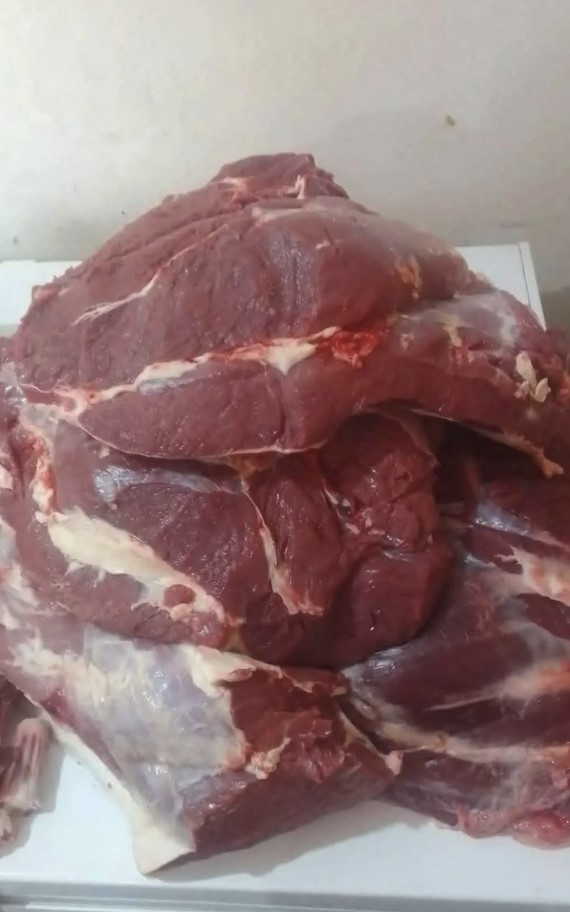
The image above, showing large freshly butchered cuts of beef, is a stark reminder of what meat looks like before it’s trimmed, packaged, and branded. Once these cuts are processed, divided, and wrapped in plastic, it’s nearly impossible for the average shopper to recognize their original source or determine how they were handled along the way.
This doesn’t necessarily mean supermarkets are trying to deceive consumers. However, understanding how the modern meat industry works can help you make better purchasing decisions and avoid paying premium prices for products that may not live up to your expectations. Knowing what happens between the farm and the grocery store gives you the confidence to shop smarter, choose better cuts, and appreciate the value behind every purchase.
The Long Journey from Farm to Store
Before a steak or roast reaches your dinner table, it has already passed through several stages. Livestock are raised on farms or ranches, transported to processing facilities, inspected according to food safety regulations, and then broken down into large primal cuts.
These cuts are shipped to wholesalers, distributors, butcher shops, or supermarkets, where they’re trimmed into familiar portions such as steaks, roasts, ground beef, and stew meat. Depending on the retailer, some of this work is done in-store by trained butchers, while other stores receive meat that’s already portioned and packaged.
Each step in this supply chain can influence the final product’s appearance, tenderness, flavor, and price.
Why Fresh Meat Looks Different from Packaged Meat
Looking at freshly butchered beef can surprise many people. The deep red color, visible connective tissue, and natural fat deposits are very different from the neatly trimmed steaks displayed in supermarket refrigerators.
Several factors contribute to these differences:
- Large muscles are separated into smaller retail cuts.
- Excess fat and connective tissue are trimmed away.
- Meat may be vacuum-sealed or packaged in oxygen-rich containers to help maintain its appearance.
- Labels are added with weight, pricing, and handling instructions.
By the time consumers see the finished product, much of the original appearance has been transformed.
Understanding Meat Labels
One reason shoppers become confused is the wide variety of labels found on meat packaging. Terms like “premium,” “choice,” “farm fresh,” or “natural” can sound impressive, but they don’t always mean what people assume.
Some labels refer to official grading systems, while others are simply marketing descriptions designed to attract attention. Reading the entire package—including ingredient lists on processed products, country-of-origin information where available, and storage instructions—can provide a clearer picture than relying solely on promotional wording.
The more familiar you become with labeling practices, the easier it becomes to compare products objectively.
Why Supermarket Meat Isn’t Always Identical
Not every package of meat comes from the same farm—or even the same region. Large retailers often source products from multiple suppliers throughout the year to ensure consistent inventory.
This means two packages that look nearly identical may differ in:
- Breed of animal
- Feeding practices
- Age at processing
- Fat marbling
- Tenderness
- Flavor profile
These differences don’t automatically indicate lower quality, but they explain why one steak may cook differently than another despite having similar labels.
The Truth About Meat Processing
Modern meat processing is designed to improve safety, efficiency, and consistency. After inspection, carcasses are chilled to preserve freshness before being divided into wholesale cuts.
During this stage, processors remove bones, trim excess fat, and prepare meat for transportation. Some cuts are aged under controlled conditions to improve tenderness, while others move quickly through the distribution chain.
Ground beef deserves special attention because it can be produced using trimmings from multiple cuts. This isn’t unusual or unsafe when proper food safety standards are followed, but it does mean ground beef has a different composition than a single steak cut from one muscle.
Why Local Butcher Shops Still Have Loyal Customers
Although supermarkets offer convenience, many shoppers continue to support local butcher shops.
A knowledgeable butcher can often:
- Explain where the meat originated.
- Recommend the best cooking method.
- Cut steaks to your preferred thickness.
- Trim excess fat according to your preference.
- Suggest less expensive alternatives that deliver excellent flavor.
Because butchers work directly with whole cuts, they can also answer questions that pre-packaged supermarket labels cannot.
Price Doesn’t Always Equal Quality
Many consumers assume the most expensive package is automatically the best. In reality, price reflects numerous factors beyond tenderness alone.
Premium prices may result from:
- Brand recognition
- Packaging style
- Organic certification
- Production methods
- Transportation costs
- Limited supply
Meanwhile, less expensive cuts often become incredibly tender when cooked using slow methods such as braising or roasting.
Learning how different cuts perform in various recipes can help you save money without sacrificing taste.
Common Misconceptions About Meat Color
One of the biggest myths is that brighter red meat is always fresher.
Color alone cannot determine freshness. Meat naturally changes color as it reacts with oxygen, and packaging methods can influence its appearance. Vacuum-sealed meat may appear darker at first but brighten after exposure to air.
Instead of relying only on color, shoppers should also consider:
- Sell-by dates
- Packaging condition
- Proper refrigeration
- Unusual odors after opening
- Excess liquid inside the package
These indicators provide a better overall assessment of quality.
How to Become a Smarter Meat Shopper
Buying quality meat doesn’t require expert knowledge, but a few simple habits can make a significant difference.
Take time to compare labels rather than grabbing the first package you see. Examine the amount of marbling, since thin streaks of fat often contribute to tenderness and flavor.
Check that the packaging is tightly sealed without leaks or tears, and always choose products that have been stored at the proper temperature.
Whenever possible, ask questions. Grocery store meat department employees and local butchers can often explain the differences between various cuts and recommend options based on your cooking plans.
Planning meals around seasonal promotions can also help reduce grocery costs while allowing you to enjoy higher-quality cuts at lower prices.
Appreciating the Whole Animal
The image of large, unprocessed beef cuts reminds us that every steak, roast, and package of ground beef begins as part of a whole animal. Different muscles have different textures and purposes, which is why some cuts are ideal for grilling while others shine in slow-cooked recipes.
Understanding this encourages a greater appreciation for responsible food production and reduces waste by making use of a wider variety of cuts instead of focusing only on premium steaks.
Many traditional dishes around the world were developed specifically to transform tougher, less expensive cuts into incredibly flavorful meals.
Making Informed Choices
Rather than assuming all supermarket meat is either perfect or inferior, it’s more useful to become an informed consumer. The modern food system is complex, and quality depends on many factors beyond the name on the package.
By learning how meat is processed, packaged, labeled, and sold, shoppers gain the knowledge needed to recognize value, avoid misleading marketing, and choose products that fit their budget and cooking style.
Whether you purchase from a neighborhood butcher, a local farm, or a national supermarket chain, understanding what you’re buying is the best way to ensure satisfaction at the dinner table.
Conclusion :
The bold claim that supermarkets are “selling you meat from…” certainly grabs attention, but the real story is more nuanced than sensational headlines suggest. Most retailers operate within strict food safety regulations, yet consumers can still benefit from understanding how meat travels from the farm to the grocery store. Packaging, labeling, processing methods, and marketing can sometimes create confusion, making it easy to assume that all products are identical—or that a higher price always guarantees superior quality.
The image of freshly butchered beef serves as a valuable reminder of how much a product changes before it reaches supermarket shelves. Once meat is trimmed, portioned, and packaged, many of the clues about its origin and characteristics become less obvious. That’s why informed shopping habits matter more than ever. Reading labels carefully, comparing cuts, asking questions, and learning basic meat terminology can help you make choices based on facts rather than appearances.
Ultimately, the best defense against being “fooled” isn’t avoiding supermarkets altogether—it’s becoming a knowledgeable shopper. When you understand what you’re buying, how different cuts are produced, and what truly influences quality, you’ll be better equipped to find meat that suits both your taste and your budget. A little knowledge goes a long way, turning every trip to the meat counter into an opportunity to shop with confidence instead of uncertainty.