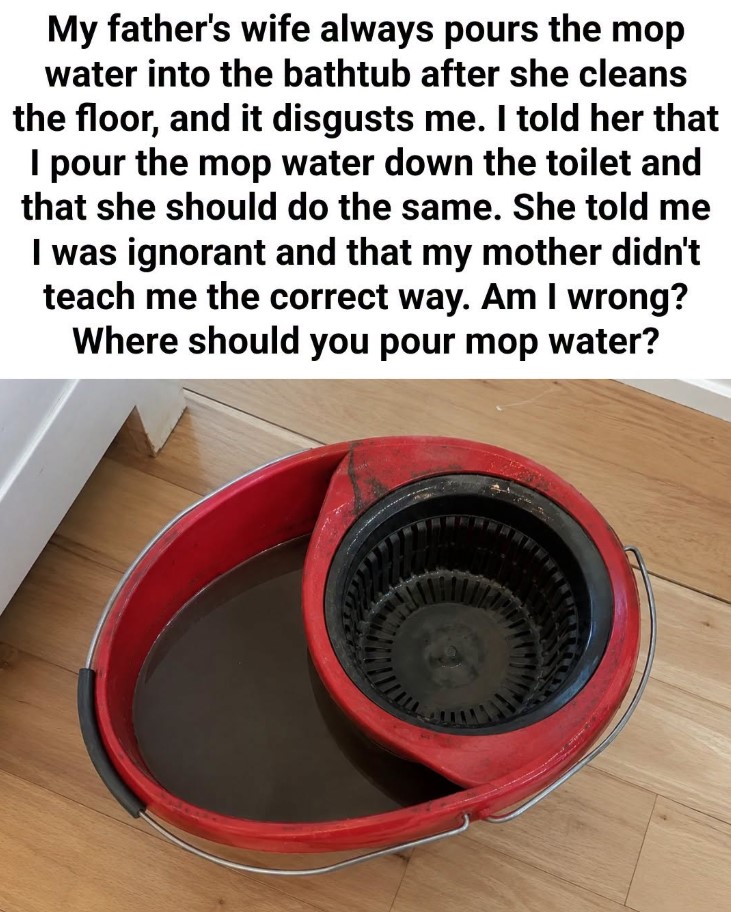
After mopping the floors, there is always one final question that seems surprisingly difficult: What should you do with the bucket of dirty mop water?
The water may contain dust, hair, small bits of dirt, food particles, grease, and diluted cleaning products. Pouring it somewhere without thinking can create problems for plumbing, sanitation, or the environment.
The good news is that disposing of mop water properly is fairly simple once you know which drains are appropriate. In most homes, a utility sink, laundry sink, suitable floor drain, or toilet connected to the sanitary sewer can be a better choice than a kitchen sink or an outdoor storm drain. Official guidance commonly recommends keeping mop and cleaning water out of storm-drain systems because those drains can carry pollutants directly into local waterways without treatment.
The Best Place to Dump Dirty Mop Water
If your home has a utility sink or dedicated mop sink, that’s generally the first choice.
These sinks are designed for tasks such as rinsing cleaning equipment, emptying buckets, and handling water that may contain dirt or cleaning solution. Commercial cleaning guidance specifically recommends mop or utility sinks connected to the sanitary sewer for this purpose.
A laundry sink can also be convenient, provided it is appropriate for wastewater disposal and connected to the household sanitary drainage system.
Before emptying the bucket, however, take a quick look at what’s floating in the water.
If you’ve picked up larger pieces of debris while cleaning, remove those first rather than sending them down a drain.
Is the Toilet a Good Alternative?
For ordinary household mop water, a toilet can be a practical alternative when a utility sink isn’t available.
Some municipal guidance explicitly lists diluted household cleaning water and mop water among materials that can be flushed through the toilet.
The toilet can be especially convenient because it is already connected to the sanitary sewer system and is designed to carry wastewater away from the home.
Pour the water slowly and carefully to reduce splashing. If the bucket contains a noticeable amount of solid debris, remove the debris first rather than flushing it.
Afterward, clean or wipe the toilet area if anything splashed around the rim.
One important exception is a septic system. If your home uses a septic tank, be more cautious about the cleaning chemicals you put into the wastewater. Strong disinfectants and other chemicals can affect the microorganisms that are important to septic-system operation. When in doubt, check the guidance for your particular septic system and the cleaning product label.
What About the Bathtub or Shower?
A bathtub or shower may seem like the easiest place because the bucket can be emptied directly down the drain.
However, it isn’t necessarily the best option.
The main concern isn’t simply the water itself. Dirty mop water can contain hair, grit, dust, and other particles that you don’t want accumulating inside a relatively small drain opening.
If you have a proper utility sink or an appropriate floor drain available, use that instead.
If a bathtub or shower is your only practical option for a small amount of relatively clean mop water, prevent larger debris from entering the drain and rinse the area thoroughly afterward. But it should generally be considered a backup option rather than the preferred disposal point.
Never Pour Mop Water Into a Storm Drain
This is one of the most important rules to remember.
A storm drain is not the same thing as a household wastewater drain.
Storm-drain systems are generally designed to carry rainwater away from streets and other outdoor surfaces. Depending on the local system, that water can reach streams, rivers, lakes, or other waterways without going through the type of wastewater treatment used for household sewage.
Dirty mop water can contain:
- Detergents
- Disinfectants
- Bleach residues
- Dirt and sediment
- Grease
- Other cleaning chemicals
Putting these substances into a storm drain can introduce pollutants directly into the environment.
That is why environmental agencies repeatedly emphasize the simple rule: keep cleaning wastewater out of storm drains.
Don’t Dump It on the Driveway or Street
Pouring mop water onto a driveway, sidewalk, street, or gutter might appear harmless because the water eventually disappears.
But where it goes afterward is the real issue.
Water flowing across outdoor surfaces can reach storm drains. Once it enters that system, cleaning chemicals and other contaminants may be transported away with it.
This is particularly important if you’ve used disinfectants, bleach, degreasers, or other strong cleaning products.
Instead of taking the easy route outdoors, carry the bucket back inside and dispose of it through an appropriate sanitary drain.
What About Pouring It Onto the Lawn?
This is another common suggestion, but it isn’t a good general rule.
Some people assume that because the water is mostly water, grass and soil will simply absorb everything. But that isn’t necessarily true.
If the bucket contains detergent, bleach, disinfectant, or other cleaning chemicals, repeatedly dumping it onto soil can expose plants and soil organisms to substances they weren’t meant to receive.
It can also allow contaminated water to run toward a storm drain, ditch, stream, or other waterway.
If you are using only plain water and have a specific reason to reuse it outdoors, the situation can be different. But dirty water containing household cleaning products should not routinely be dumped onto the lawn or garden.
Why the Kitchen Sink Isn’t Ideal
The kitchen sink is technically connected to the household wastewater system, but that doesn’t make it the best place for dirty mop water.
Kitchen sinks are associated with food preparation, dishes, and food-contact items. A mop bucket, meanwhile, may contain material picked up from floors, including dirt, hair, grease, and other contaminants.
For hygiene reasons, it’s better to keep cleaning equipment and wastewater separate from areas used for preparing food.
That’s one reason dedicated utility or mop sinks are preferred in professional settings. Guidance for food-service environments specifically recommends disposing of mop water in a mop sink or another suitable sink where food preparation does not occur.
Check the Bucket Before You Pour
There’s a simple step that can make disposal much safer for your plumbing: inspect the mop water first.
If you can see larger pieces of debris at the bottom of the bucket, don’t simply dump everything down the drain.
Remove solid material and place appropriate waste in the garbage.
This is especially important if you have been cleaning a garage, basement, workshop, patio, or heavily soiled floor where the bucket may contain considerably more than ordinary dust.
The less solid material that goes into your plumbing, the less opportunity there is for it to settle inside pipes or contribute to blockages.
Be Careful With Cleaning Chemicals
Not all mop water is the same.
A bucket containing a small amount of diluted floor cleaner is very different from wastewater containing concentrated chemicals, solvents, pesticides, paint, or other hazardous substances.
Household hazardous products should not automatically be poured down toilets or ordinary drains. Municipal guidance, for example, specifically warns against sending products such as pesticides, paints, solvents, and certain concentrated cleaning products into household drains.
Always read the disposal instructions on the product label.
If you’re dealing with a concentrated chemical, an unusually strong disinfectant, or a product specifically labeled “Do not pour down drain,” follow the manufacturer’s disposal instructions or your local hazardous-waste guidance rather than treating it like ordinary mop water.
A Simple Mop-Water Disposal Routine
You don’t need a complicated system.
After cleaning your floors, follow these basic steps:
1. Let the dirt settle.
Give the bucket a moment so heavier particles sink to the bottom.
2. Check for solid debris.
Remove hair, chunks of dirt, food scraps, or other large material before disposal.
3. Choose the right drain.
A utility sink, mop sink, laundry sink, or appropriate indoor sanitary drain is generally preferable.
4. Use the toilet when appropriate.
For ordinary diluted household mop water, a toilet connected to the sanitary sewer can be a practical option when a utility sink isn’t available.
5. Avoid outdoor storm drains.
Never use a street gutter or storm drain as a dumping point for dirty cleaning water.
6. Rinse the bucket.
Once the dirty water is gone, rinse the mop bucket and allow it to dry.
7. Clean the disposal area if necessary.
If you spilled or splashed dirty water around the sink or toilet, wipe the area afterward.
This routine takes only a few extra minutes but prevents many avoidable problems.
Why Proper Disposal Matters
The question of where to pour mop water may seem insignificant compared with the actual cleaning.
But small household habits can have consequences.
Improper disposal can contribute to:
- Plumbing blockages
- Unpleasant odors
- Contamination of food-preparation areas
- Damage to sensitive septic systems
- Pollution entering stormwater systems
- Exposure of plants and wildlife to cleaning chemicals
Stormwater authorities specifically emphasize that pollutants entering storm drains can reach waterways without treatment.
So disposing of a single bucket properly may seem like a tiny action, but it’s still a responsible habit.
What If You Don’t Have a Utility Sink?
Many homes don’t have a dedicated mop sink, especially apartments and smaller houses.
That’s perfectly fine.
You can still establish a simple routine. If the mop water is ordinary household cleaning water without unusual hazardous substances, an appropriate sanitary drain or toilet may be suitable. Some local authorities specifically recognize mop water containing diluted household cleaning products as acceptable for toilet disposal.
The exact rules can vary by plumbing system, municipality, and septic setup, so when you’re unsure, local wastewater guidance is the safest source to consult.
The important thing is to distinguish sanitary wastewater drains from storm drains.
Final Thoughts
Knowing where to dispose of dirty mop water is one of those small household details that many people never think about until they’re standing there with a full bucket.
The simplest rule is this: keep dirty mop water in the sanitary wastewater system and keep it out of storm drains and outdoor waterways.
A dedicated utility or mop sink is usually the ideal choice. A suitable laundry sink or indoor sanitary drain can also work, and for ordinary diluted household cleaning water, a toilet may be a convenient alternative when appropriate.
What you should avoid is dumping the water onto streets, driveways, gutters, lawns, or storm drains—especially when the bucket contains detergents, disinfectants, bleach, grease, or other chemicals. Storm drains can carry those pollutants directly toward natural waterways rather than sending them through wastewater treatment.
So next time you finish mopping and find yourself wondering what to do with that murky bucket, don’t simply take it outside and pour it wherever it’s convenient. Check the water for solid debris, choose an appropriate indoor sanitary drain, dispose of it carefully, and rinse the bucket afterward. That small extra step protects your plumbing, keeps your cleaning routine more hygienic, and helps prevent unnecessary