Tomato puree is one of those simple kitchen ingredients that can make a big difference in everyday cooking. Whether you are preparing pasta sauce, soup, stew, pizza toppings, or a homemade casserole, a little tomato puree adds color, flavor, and a smooth consistency to your dishes.
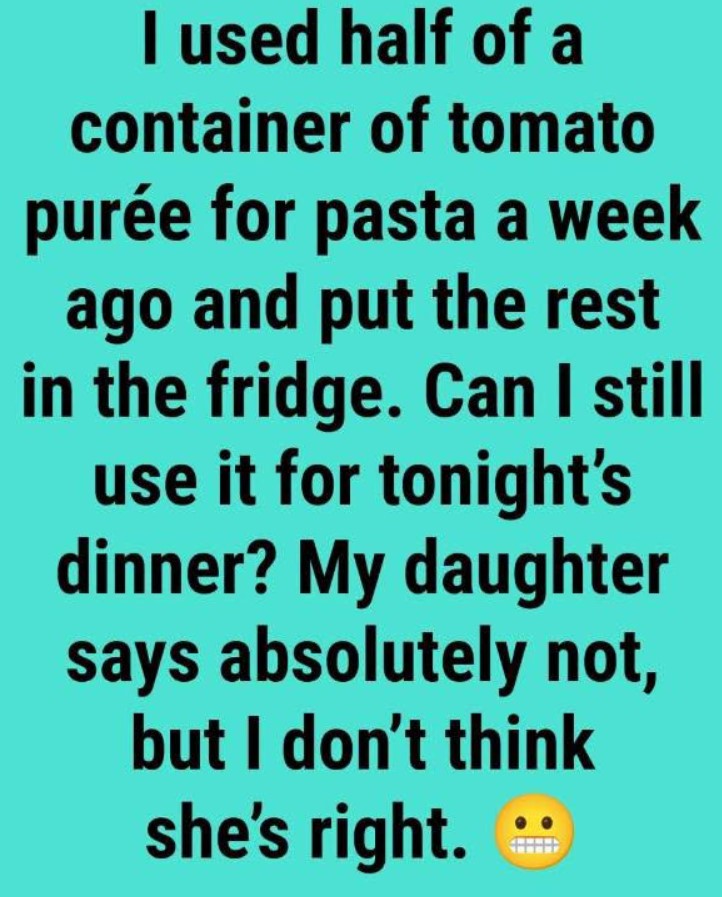
Because many recipes require only a small amount, however, it is quite common to open a jar, can, or carton and leave the remaining puree in the refrigerator for another meal. The problem is that tomato puree does not stay fresh forever after opening. If it is stored incorrectly or kept for too long, it can spoil and become unsuitable for cooking.
So, how can you tell whether tomato puree has gone bad? Fortunately, there are several warning signs you can look for before adding it to your food. Changes in smell, color, texture, and appearance can all indicate that something is wrong.
Understanding these signs can help you avoid unpleasant surprises in the kitchen, reduce unnecessary food waste, and handle tomato products more safely.
1. Check the Tomato Puree for Visible Mold
One of the clearest signs that tomato puree has spoiled is the presence of mold.
Mold may appear as small fuzzy spots on the surface of the puree or around the edges of the container. Depending on the type of mold, these spots may look white, green, blue, gray, or black.
Sometimes, the mold is easy to recognize. In other cases, it may appear as a thin layer or a small discolored patch that is easy to overlook.
Even if only a small area seems affected, you should not simply remove the moldy portion and use the puree underneath. Mold can spread beyond the areas that are immediately visible, especially in moist foods.
If you notice any mold, discard the entire contents. Do not taste it to check whether it is still good.
It is also important to examine the inside of the lid and the rim of the jar, since these areas can collect leftover puree and provide places where mold may develop.
2. Pay Attention to an Unusual or Sour Smell
Fresh tomato puree normally has a recognizable tomato aroma. Depending on the product, it may smell slightly sweet, earthy, or naturally acidic.
When tomato puree starts to spoil, its smell can change noticeably.
Instead of the familiar smell of tomatoes, you may detect an unpleasant sour, fermented, yeasty, or rotten odor. A strong smell that reminds you of spoiled food is a warning sign that the puree should not be used.
It is important to understand that tomatoes naturally have some acidity. A slightly sharp or tangy smell is not automatically a sign of spoilage. What matters is whether the aroma has changed significantly from its normal smell.
If the puree smells unusual or makes you question whether it is still fresh, the safest decision is to throw it away.
Never taste questionable tomato puree to confirm whether the smell is harmless.
3. Look for Changes in Color
Color is another useful detail to examine when checking tomato puree.
Fresh tomato puree generally has a red color, although the exact shade can vary depending on the tomato variety, processing method, and ingredients used by the manufacturer.
Over time, exposure to air and improper storage can cause changes in color. The surface may become darker, brownish, grayish, or noticeably different from the rest of the product.
A small amount of surface darkening does not always mean that the puree is spoiled. Oxidation can sometimes change the color of tomato products without immediately indicating microbial spoilage.
However, widespread discoloration, unusual patches, or a combination of darkening with an unpleasant smell or strange texture should be treated as a warning.
If the puree looks significantly different from when you first opened it, it is better not to take chances.
4. Notice Any Changes in Texture
Tomato puree should normally have a smooth, thick, and relatively uniform consistency.
Depending on the product, it may be slightly thinner or thicker, but it should not develop an unusual slimy, stringy, or slippery texture.
If the puree becomes strangely watery, sticky, bubbly, or unusually lumpy, it may have deteriorated.
Some separation of liquid can occur naturally in tomato products. A small amount of watery liquid on the surface is not necessarily a problem if the product otherwise looks and smells normal.
However, separation accompanied by bubbling, an unpleasant odor, visible mold, or an unusual consistency is much more concerning.
When examining the texture, do not use your fingers or taste the product. Simply look at it with a clean utensil or inspect it inside the container.
If the texture appears abnormal, discard the puree rather than trying to mix it back together.
5. Watch for Bubbles, Foam, or Signs of Fermentation
Another warning sign is unexpected bubbling or foaming.
Tomato puree should not normally look as though it is actively fermenting while sitting in its storage container.
If you notice unexplained bubbles, foam, or pressure inside a previously opened container, the product may have undergone unwanted microbial activity.
You may also hear a hiss when opening a container that has developed unusual internal pressure. This can happen when microorganisms produce gas as they grow.
Bubbles are not always proof of spoilage, particularly if the product has just been stirred or heated. However, unexplained bubbling in stored puree, especially when combined with an unusual smell or a swollen container, should never be ignored.
Do not taste or cook with a product that shows these warning signs.
6. Inspect the Jar, Can, or Carton Before Using It
Sometimes the packaging gives you the first indication that tomato puree may no longer be safe.
Before opening a container, check it carefully for damage.
For canned tomato puree, avoid using cans that are:
- Swollen or bulging.
- Leaking or badly rusted.
- Severely dented, especially around the seams.
- Damaged in a way that may have affected the seal.
For glass jars, look for cracked glass, leaking contents, a loose or damaged lid, or a broken seal.
For cartons and pouches, check for swelling, leaks, holes, or damaged packaging.
A properly sealed container helps protect tomato puree from contamination. If the seal is broken or the packaging appears damaged, the contents may no longer be safe.
Do not open a swollen or leaking container just to smell or taste what is inside. Treat it as potentially spoiled and handle it carefully.
7. How Long Does Tomato Puree Last After Opening?
The amount of time tomato puree stays fresh depends on the product, its ingredients, the packaging, and how it is stored.
Once you open a commercially packaged tomato product, it should be refrigerated promptly in a clean, covered container.
As general guidance, opened canned high-acid tomato products can usually be refrigerated for approximately five to seven days, according to the USDA Food Safety and Inspection Service.
For homemade tomato puree, follow a conservative storage period of about three to four days in the refrigerator, unless you are following a tested preservation method that provides different instructions.
Always check the manufacturer’s storage instructions because products can vary.
It is also important to remember that refrigeration does not stop spoilage completely. It only slows down the growth of many microorganisms.
If the puree develops mold, an unpleasant smell, an unusual texture, or any other warning sign before the recommended storage period has passed, discard it immediately.
Do not assume that tomato puree is safe simply because it has been refrigerated.
8. What Is the Best Way to Store Tomato Puree?
Proper storage can help tomato puree maintain its quality for longer and reduce the risk of contamination.
After opening a jar, can, or carton, follow these simple habits.
Transfer leftovers into a clean container
If you have opened a metal can, transfer the unused puree into a clean glass or food-safe plastic container with a tight-fitting lid. This helps protect the product from exposure to air and makes it easier to store.
Keep it refrigerated
Place the container in the refrigerator as soon as possible. Your refrigerator should be kept at 40°F (4°C) or below.
Avoid leaving opened tomato puree on the kitchen counter for extended periods. Perishable food should generally not remain at room temperature for more than two hours, or more than one hour when the temperature is above 90°F (32°C).
Use a clean spoon every time
Always use a clean spoon to remove tomato puree from its container. A spoon that has touched raw meat, dirty dishes, or other foods can introduce unwanted bacteria.
Close the container tightly
After taking the amount you need, seal the container immediately. Limiting exposure to air and outside contaminants helps maintain freshness.
Write down the opening date
If you often forget when you opened a jar or carton, write the date on the lid or a small label. This simple habit makes it easier to keep track of how long the puree has been stored.
9. Can You Freeze Tomato Puree?
Yes! Freezing is an excellent way to preserve leftover tomato puree when you know you will not use it within a few days.
This is particularly helpful when a recipe requires only two or three tablespoons and you have most of the container left.
To freeze tomato puree, follow these steps:
- Allow freshly prepared puree to cool if it has been cooked.
- Divide it into small portions according to the amounts you normally use.
- Place the portions in freezer-safe containers, small bags, or an ice cube tray.
- Leave a little space in containers because liquids expand as they freeze.
- Label each portion with the freezing date.
- Place the portions in the freezer.
Once the puree has frozen in an ice cube tray, you can transfer the cubes into a sealed freezer bag to save space.
For the best flavor and texture, try to use frozen tomato puree within approximately two to three months. It may remain safe for longer when continuously frozen at 0°F (-18°C), but its quality can gradually decline.
When you need some for cooking, thaw it in the refrigerator or add an appropriate frozen portion directly to a dish that is being cooked.
Avoid repeatedly thawing and refreezing the same portion.
10. Can You Still Use Tomato Puree If It Has Separated?
It is not unusual to find a little liquid sitting on top of tomato puree after it has been stored.
This separation can happen naturally because the liquid and thicker tomato solids do not always remain evenly distributed.
If the puree has been stored correctly and still has its normal smell, color, and texture, a small amount of separation alone does not necessarily mean it has spoiled.
You can usually stir the product with a clean spoon to bring it back together.
However, be careful not to confuse normal separation with spoilage. If the liquid has an unpleasant smell, the puree looks slimy, or you notice bubbles, mold, or unusual discoloration, discard the entire container.
When several warning signs appear together, it is not worth trying to save the product.
11. Is It Safe to Cook With Tomato Puree That May Have Gone Bad?
Cooking does not make spoiled tomato puree safe again.
Although heat can destroy many microorganisms, it may not eliminate toxins that certain microorganisms have already produced. This means that boiling, simmering, or adding questionable puree to a sauce is not a reliable way to make it safe.
If tomato puree has visible mold, a fermented smell, unusual bubbling, or other signs of spoilage, do not use it in pasta sauce, soup, stew, or any other recipe.
The same advice applies if the container was damaged or its seal was broken before opening.
When in doubt, throw it out. Replacing a small amount of tomato puree is much better than risking your health.
12. Common Mistakes to Avoid When Storing Tomato Puree
Even when people understand that tomato puree needs refrigeration after opening, a few everyday habits can cause it to spoil more quickly.
Here are some common mistakes worth avoiding.
Leaving the puree in an open container
An uncovered container exposes the puree to air, dust, and possible contamination. Always close it properly after use.
Using a dirty spoon
Dipping an unclean spoon into the container can introduce microorganisms that may affect the remaining puree.
Forgetting how long it has been open
A jar that has been sitting in the refrigerator for several weeks should not be considered safe simply because it looks normal. Keep track of the opening date and follow recommended storage periods.
Keeping it near the refrigerator door
The refrigerator door experiences more temperature changes because it is opened frequently. Keeping tomato puree on an interior shelf can help maintain a more consistent temperature.
Trying to remove mold instead of discarding the product
Removing the visible mold does not guarantee that the rest of the puree is safe. If mold is present, discard the entire contents.
Assuming the cooking process will fix everything
Adding spoiled puree to a boiling sauce does not guarantee that it will become safe. Always inspect ingredients before cooking.
13. Frequently Asked Questions About Tomato Puree
Can tomato puree go bad in the refrigerator?
Yes. Refrigeration slows spoilage but does not prevent it completely. Opened tomato puree should be stored properly and used within the recommended period. Discard it sooner if you notice any warning signs.
Does tomato puree always smell sour?
No. Tomatoes naturally have an acidic aroma, but fresh puree should still smell recognizably like tomatoes. A strong fermented, yeasty, or rotten odor is a warning sign.
Can I use tomato puree if the top has become darker?
A small amount of surface darkening can result from oxidation. However, widespread discoloration or darkening combined with an unpleasant smell, mold, or unusual texture means the product should be discarded.
Is a little water on top of tomato puree normal?
It can be. Some liquid separation is natural and does not automatically indicate spoilage. Check the smell, color, texture, and storage history before deciding whether to use it.
Can I freeze tomato puree in ice cube trays?
Yes. Freezing small portions in an ice cube tray is a convenient way to avoid wasting leftovers. Once frozen, transfer the cubes to a sealed freezer bag or suitable container.
Can I taste tomato puree to see whether it is still good?
No. Never taste food that shows signs of spoilage or comes from a damaged container. Visual inspection, smell, and proper storage history are safer ways to identify warning signs, although they cannot guarantee that food is safe.
Conclusion :
Knowing how to tell whether tomato puree has gone bad is a simple but important kitchen skill. Because this ingredient is used in so many everyday meals, it is easy to forget how long an opened container has been sitting in the refrigerator. A few extra seconds spent checking it before cooking can help prevent unpleasant surprises and reduce the risk of foodborne illness.
The most important warning signs to remember are visible mold, an unusual sour or fermented smell, significant changes in color, a slimy or strange texture, unexpected bubbling, and damaged or swollen packaging. If you notice any of these signs, do not try to rescue the puree by removing the affected area or cooking it for a longer time. Discard the entire product.
Good storage habits make a difference, too. Keep opened tomato puree refrigerated, use clean utensils, transfer leftover canned puree into a suitable covered container, and write down the date when you first opened it. If you cannot use the remaining puree within a few days, freezing it in small portions is a practical way to save it for future recipes.
Most importantly, remember that appearance and smell are useful warning signs, but they cannot detect every possible food-safety problem. Following recommended storage times and paying attention to the condition of the packaging are just as important.
A little care when storing tomato puree can help you keep your kitchen organized, avoid unnecessary waste, and enjoy your favorite tomato-based dishes with greater confidence.