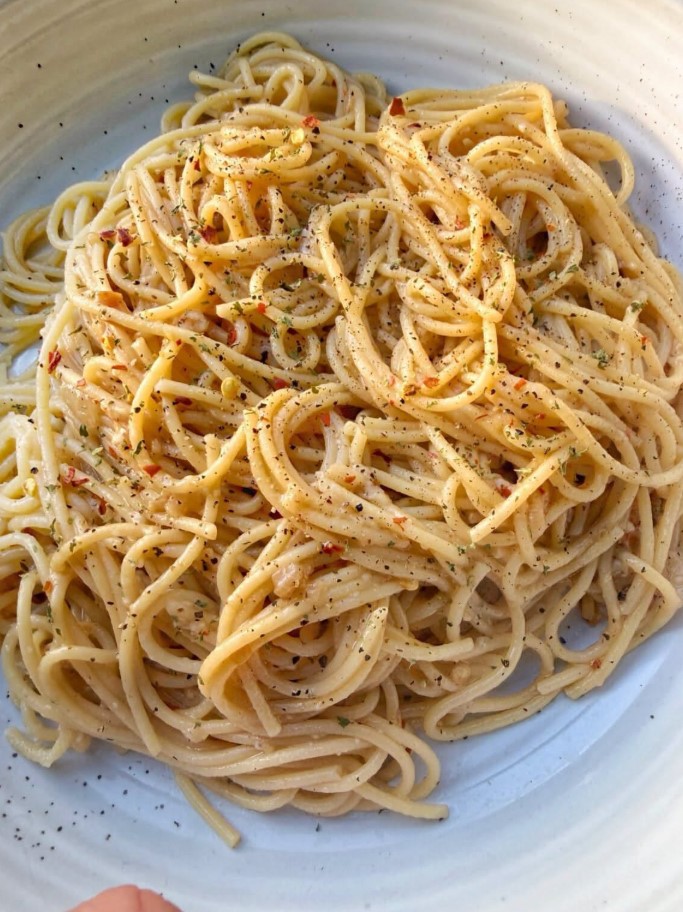
Sometimes, the best meals come from the simplest ingredients. You don’t always need expensive groceries, complicated cooking techniques, or a long list of ingredients to prepare something delicious. This Worcestershire Butter Pasta is a perfect example of how a few everyday pantry staples can come together to create a comforting and satisfying dinner.
Made with spaghetti, butter, olive oil, garlic, onion, Parmesan cheese, and a splash of Worcestershire sauce, this recipe delivers a rich, savory flavor that makes every bite delicious. The combination might sound unusual at first, but Worcestershire sauce adds a wonderful depth of flavor that works surprisingly well with buttery pasta.
One of the best things about this recipe is that it doesn’t require heavy cream, a jar of tomato sauce, or expensive ingredients. Instead, a little reserved pasta water helps bring everything together into a smooth, silky sauce that coats every strand of spaghetti.
It’s an excellent choice for busy evenings, last-minute dinners, or those days when you want to prepare something satisfying without spending too much money. Whether you’re cooking for your family or simply looking for an easy meal for yourself, this pasta deserves a place in your recipe collection.
Why You’ll Love This Worcestershire Butter Pasta
There are plenty of reasons to love this simple pasta dish, especially if you enjoy flavorful meals made with affordable ingredients.
Budget-friendly ingredients: Most of the ingredients are common kitchen staples. Pasta, butter, garlic, onion, and Parmesan are easy to find and can often be purchased at a reasonable price.
Quick and easy preparation: You can have the entire meal ready in approximately 30 minutes, making it perfect for busy weeknights.
Rich and savory flavor: Worcestershire sauce adds a deep, slightly tangy, savory taste that complements the butter, garlic, and Parmesan.
No heavy cream required: The sauce becomes silky thanks to the combination of butter, olive oil, Parmesan, and starchy pasta water.
Easy to customize: You can add vegetables, mushrooms, bacon, chicken, or other ingredients you already have available.
What Makes Worcestershire Sauce So Good With Pasta?
Worcestershire sauce might not be the first ingredient that comes to mind when preparing spaghetti, but it brings something special to this recipe.
Traditional Worcestershire sauce contains ingredients such as vinegar, molasses, tamarind, onion, garlic, and anchovies. Together, they create a complex flavor that is savory, slightly tangy, and rich.
The anchovies are particularly important because they contribute a deep umami flavor without necessarily making the finished dish taste like fish.
When combined with melted butter, garlic, onion, and Parmesan cheese, Worcestershire sauce adds another layer of flavor that makes ordinary spaghetti much more interesting.
The result is a comforting pasta dish with a buttery, garlicky, cheesy sauce and a delicious savory finish.
Ingredients for Worcestershire Butter Pasta
This recipe makes approximately 4 main-dish servings or 6 smaller portions.
Here is everything you need:
- 1 pound spaghetti
- 2 tablespoons olive oil
- 3 tablespoons butter
- 1 small yellow onion, finely diced
- 3 cloves garlic, minced
- 1 teaspoon Worcestershire powder OR 1 tablespoon liquid Worcestershire sauce
- 3 to 4 tablespoons hot pasta water, if using Worcestershire powder
- Approximately 1/2 cup reserved pasta water for the sauce, plus extra if needed
- 1/2 cup grated Parmesan cheese, plus more for serving
- 1/2 teaspoon black pepper, or to taste
- Kosher salt, for seasoning the pasta water
A quick note about Worcestershire: You can use either Worcestershire powder or liquid Worcestershire sauce. Both options work well, but they need slightly different preparation methods. The powder should first be dissolved in hot pasta water, while liquid Worcestershire can be added directly to the skillet.
Preparation and Cooking Time
- Preparation time: 10 minutes
- Cooking time: 20 minutes
- Total time: Approximately 30 minutes
- Servings: 4 main portions or 6 smaller portions
How to Make Worcestershire Butter Pasta
Follow these simple steps to prepare a flavorful pasta dinner with a smooth, buttery sauce.
Step 1: Cook the Spaghetti
Begin by bringing a large pot of water to a boil. Add a generous amount of kosher salt to season the water.
Add the spaghetti and cook according to the instructions on the package until it reaches an al dente texture. This means the pasta should be tender but still have a slight firmness when bitten.
Before draining the spaghetti, remember to reserve at least one cup of the cooking water.
This step is extremely important because the starchy water will help create the silky sauce later. Avoid pouring all the pasta water down the sink!
Once the pasta is cooked, drain it and set it aside.
Step 2: Prepare the Worcestershire Mixture
If you’re using Worcestershire powder, place approximately one teaspoon in a small bowl.
Add 3 to 4 tablespoons of hot pasta water and whisk until the powder has completely dissolved.
This makes it easier to distribute the seasoning evenly throughout the sauce.
If you’re using liquid Worcestershire sauce instead, you can skip this step. Start with approximately one tablespoon and add it directly to the skillet later.
Step 3: Melt the Butter and Olive Oil
Place a large skillet over medium heat.
Add the olive oil and butter, allowing the butter to melt gently. Stir occasionally so the two ingredients combine.
The olive oil helps prevent the butter from becoming too dark too quickly, while the butter provides the rich flavor that makes this pasta so comforting.
Step 4: Cook the Onion and Garlic
Add the finely diced onion to the skillet.
Cook for approximately 5 to 7 minutes, stirring occasionally, until the onion becomes soft and lightly golden.
Next, add the minced garlic and cook for about 30 seconds, just until fragrant.
Be careful not to burn the garlic. It cooks quickly, and burnt garlic can introduce an unpleasant bitter taste to the sauce.
Step 5: Add the Worcestershire
Now it’s time to introduce the ingredient that makes this recipe different from ordinary butter pasta.
If you’re using the prepared Worcestershire powder mixture, pour it into the skillet.
If you’re using liquid Worcestershire sauce, add approximately one tablespoon directly to the butter, onion, and garlic mixture.
Stir everything together and allow it to bubble gently for about 30 seconds.
The Worcestershire will blend with the butter and aromatics, creating a rich and savory base for the pasta.
If you enjoy a stronger Worcestershire flavor, you can add a little more later after tasting the sauce.
Step 6: Add the Reserved Pasta Water
Pour approximately half a cup of reserved pasta water into the skillet.
Stir gently and allow the mixture to simmer briefly.
The starch in the pasta water helps the butter and olive oil combine with the other ingredients, creating a smoother sauce instead of simply leaving the spaghetti coated in melted butter.
You don’t need to use all the reserved water immediately. Keep the remaining amount nearby in case the sauce needs additional moisture.
Step 7: Add the Spaghetti
Transfer the drained spaghetti directly into the skillet.
Using tongs, toss the noodles thoroughly so they become coated with the Worcestershire butter mixture.
Make sure the sauce reaches as much of the pasta as possible.
If the noodles look slightly dry, add another small splash of reserved pasta water and continue tossing.
Step 8: Add Parmesan and Black Pepper
Reduce the heat to low before adding the grated Parmesan cheese.
Sprinkle in the black pepper and continue tossing the pasta until the cheese melts into the buttery sauce.
The combination of Parmesan, butter, and starchy pasta water should create a glossy coating that clings lightly to every strand of spaghetti.
Avoid adding the Parmesan over high heat because the cheese may clump instead of melting smoothly.
Taste the pasta and adjust the seasoning if necessary. You can add a little more Worcestershire or black pepper depending on your preference.
Step 9: Serve Immediately
Once everything is well combined, remove the skillet from the heat.
Transfer the Worcestershire Butter Pasta to serving plates or a large serving bowl.
Finish with additional grated Parmesan and freshly ground black pepper.
For the best texture and flavor, serve immediately while the sauce is still silky and the pasta is warm.
The Secret to Making a Silky Butter Sauce
One of the most important parts of this recipe is using reserved pasta water.
Without it, the finished dish may taste like ordinary spaghetti tossed in melted butter. While that can still be enjoyable, it doesn’t create the same smooth sauce.
When spaghetti cooks, some of its starch is released into the boiling water. This cloudy liquid helps the butter, olive oil, and Parmesan come together and cling to the noodles.
Here are a few tips to get the best results:
- Always reserve at least one cup of pasta water before draining the spaghetti.
- Start by adding approximately half a cup to the skillet.
- Toss the pasta continuously to help the sauce develop.
- Add extra water gradually if the noodles look dry.
- Reduce the heat before adding Parmesan.
- Serve the pasta while the sauce is freshly prepared.
Remember that the spaghetti continues absorbing liquid as it sits. It’s better to have a little extra pasta water available than to end up with dry noodles.
Worcestershire Powder or Liquid Worcestershire: Which Should You Use?
Both options work well in this recipe, so you can choose whichever one you have available.
Worcestershire powder: Start with one teaspoon. Dissolve it in 3 to 4 tablespoons of hot pasta water before adding it to the skillet. This version is convenient because the powder is easy to store in your pantry.
Liquid Worcestershire sauce: Start with one tablespoon and add it directly to the skillet after cooking the onion and garlic. If you prefer a stronger savory flavor, you can increase the amount to approximately one and a half tablespoons.
The important thing is not to add too much at once. Worcestershire is concentrated and can be quite salty. Start with a smaller amount, taste the sauce, and adjust gradually.
Optional Addition: Crispy Toasted Breadcrumbs
If you want to give this pasta a little extra texture, toasted breadcrumbs are a wonderful addition.
They provide a crunchy contrast to the smooth, buttery noodles and make the dish feel a little more special without requiring expensive ingredients.
To prepare them, you will need:
- 1 cup panko breadcrumbs
- 2 tablespoons butter or olive oil
- 1 small garlic clove, finely minced
- A pinch of salt
- A little black pepper
- Optional grated Parmesan
Melt the butter or heat the olive oil in a small skillet over medium heat.
Add the panko breadcrumbs and stir frequently until they become golden brown and crispy.
Add the minced garlic near the end, along with a pinch of salt and black pepper. You can also mix in a little grated Parmesan if desired.
Remove from the heat and sprinkle the toasted breadcrumbs over the pasta just before serving.
The combination of crunchy breadcrumbs and silky spaghetti creates a delicious contrast.
Easy Ways to Customize This Pasta
Another reason this recipe is so useful is that you can easily adapt it to whatever ingredients you have in your refrigerator.
The basic recipe is already delicious, but a few simple additions can give it a completely different character.
1. Add Capers
If you enjoy salty and slightly tangy flavors, try adding 1 to 2 tablespoons of drained capers.
Stir them into the pasta when tossing the noodles with the sauce. Their briny flavor balances the richness of the butter and Parmesan.
2. Add Sun-Dried Tomatoes
Chop a few sun-dried tomatoes into small pieces and cook them briefly with the onion.
They bring a pleasant sweetness and a slightly tangy flavor that complements the savory Worcestershire sauce.
3. Add Frozen Peas
Frozen peas are an easy way to add vegetables without creating extra work.
Simply add a handful of frozen peas to the boiling pasta water during the final minute of cooking. Drain them together with the spaghetti and continue with the recipe.
4. Add Mushrooms
Mushrooms are an excellent match for Worcestershire sauce because both ingredients have naturally savory flavors.
Slice your favorite mushrooms and sauté them with the onion until they become tender and lightly browned.
Then continue preparing the sauce as usual.
5. Add Fresh Lemon
If the finished pasta tastes a little too rich, a small squeeze of fresh lemon juice can brighten the flavor.
You can also add a little lemon zest just before serving.
6. Add Bacon or Ham
For a heartier meal, add crispy bacon pieces or diced ham.
Cook the bacon separately until crispy, then sprinkle it over the finished pasta. If using diced ham, you can warm it briefly in the skillet before adding the spaghetti.
7. Add Leftover Chicken
Leftover roasted or rotisserie chicken is another excellent addition.
Simply cut the chicken into bite-sized pieces and stir it into the pasta near the end of cooking. Allow it to warm through before serving.
8. Add Spinach
Fresh spinach can also be added to the skillet.
Stir a handful into the hot sauce just before adding the Parmesan. The heat will quickly soften the leaves and incorporate them into the pasta.
What to Serve With Worcestershire Butter Pasta
Although this pasta is satisfying on its own, you can serve it with a few simple side dishes to create a more complete meal.
A fresh green salad with a light vinaigrette is a great option because its refreshing flavor balances the richness of the butter sauce.
Garlic bread is another delicious choice, especially if you enjoy having something to soak up any remaining sauce on your plate.
You could also serve it with roasted vegetables, steamed broccoli, green beans, or a simple tomato salad.
If you’re preparing dinner for guests, a combination of pasta, fresh salad, and toasted bread makes an easy and comforting meal without requiring hours in the kitchen.
How to Store Leftover Worcestershire Butter Pasta
If you have leftovers, allow the pasta to cool slightly before transferring it to an airtight container.
Store it in the refrigerator and consume it within 3 to 4 days for best quality.
Don’t be surprised if the spaghetti looks drier the following day. The noodles continue absorbing the sauce as they sit, so some of the moisture disappears.
This doesn’t necessarily mean the pasta has gone bad. You simply need to loosen the sauce when reheating it.
The Best Way to Reheat Leftovers
The best way to reheat this pasta is in a skillet.
Place the leftover spaghetti in a pan over low to medium-low heat. Add a small splash of water and, if desired, a little extra butter.
Gently toss the noodles until they become warm and the sauce loosens again.
You can also use a microwave if you prefer a quicker method.
Place the pasta in a microwave-safe dish, add a tiny splash of water, and cover loosely. Heat in short intervals, stirring halfway through until warmed throughout.
Finish with a little fresh Parmesan and black pepper.
Frequently Asked Questions
1. Does Worcestershire Butter Pasta taste like fish?
No, it shouldn’t have a strong fishy taste. Traditional Worcestershire sauce contains anchovies, but they contribute a deep savory flavor rather than making the finished pasta taste like fish.
2. Can I use liquid Worcestershire sauce instead of powder?
Absolutely! Start with approximately one tablespoon of liquid Worcestershire sauce. Add it directly to the skillet after cooking the onion and garlic. You can increase it to about one and a half tablespoons if you prefer a stronger flavor.
3. Can I use Worcestershire powder instead of liquid sauce?
Yes. Use approximately one teaspoon of Worcestershire powder and dissolve it in 3 to 4 tablespoons of hot pasta water before adding it to the skillet.
4. Why is reserved pasta water important?
Pasta water contains starch released during cooking. This starch helps the butter, olive oil, and Parmesan combine into a silky sauce that coats the spaghetti instead of leaving it greasy.
5. What if I forget to save the pasta water?
You can use a little hot water to loosen the sauce. However, ordinary water doesn’t contain the same starch, so the sauce may not become quite as silky.
6. Can I use another type of pasta?
Yes. Although spaghetti works particularly well, you can also use linguine, fettuccine, bucatini, or another pasta shape you already have in your pantry.
7. Can I add meat to this recipe?
Definitely. Bacon, diced ham, cooked sausage, or leftover chicken can all make this pasta more filling. Add your chosen ingredient near the end of cooking so everything warms through.
8. Is Worcestershire sauce vegetarian?
Traditional Worcestershire sauce generally contains anchovies, so it is not suitable for strict vegetarians or vegans. However, vegetarian and vegan Worcestershire-style alternatives are available. Always check the ingredient label before purchasing.
9. Can I prepare this pasta ahead of time?
You can cook it ahead, but the sauce is at its best immediately after preparation. If you have leftovers, store them in the refrigerator and reheat gently with a splash of water and a little butter.
10. Can I double the recipe?
Yes. Simply double the ingredients and use a large enough skillet to toss the spaghetti with the sauce properly. Remember to reserve extra pasta water because a larger quantity of noodles may need more liquid.
Conclusion :
Worcestershire Butter Pasta is proof that a delicious homemade dinner doesn’t have to be expensive or complicated. With a few simple ingredients that many people already have in their kitchens, you can prepare a comforting meal that is full of buttery, garlicky, cheesy, and savory flavors.
What makes this recipe particularly interesting is the unexpected addition of Worcestershire sauce. It might not be the first ingredient you would think of when making spaghetti, but its deep, slightly tangy flavor works beautifully with melted butter, garlic, onion, and Parmesan. Instead of relying on heavy cream or a traditional tomato sauce, this recipe creates its richness through a simple combination of pantry ingredients and starchy pasta water.
Another wonderful thing about this dish is how flexible it can be. You can enjoy it exactly as written for a quick and inexpensive dinner, or make it more substantial by adding mushrooms, peas, spinach, crispy bacon, or leftover chicken. A handful of toasted breadcrumbs can also add a lovely crunch and make the finished meal feel a little more special.
The secret to getting the best result is paying attention to a few small details. Remember to reserve your pasta water before draining the spaghetti, avoid overcooking the garlic, and add the Parmesan over low heat so it melts smoothly into the sauce. These simple steps make a noticeable difference between ordinary buttered noodles and a beautifully coated, silky pasta dish.
This is also the kind of recipe worth remembering for those evenings when the refrigerator looks almost empty and you don’t feel like making another trip to the grocery store. A pound of spaghetti, a little butter, some garlic, an onion, and a few pantry seasonings can turn into a satisfying dinner that the whole family can enjoy.
Sometimes, the best recipes aren’t the ones with the longest ingredient lists or the most complicated instructions. They are the ones that help us make something delicious with what we already have.
So, the next time you’re looking for an affordable, easy, and flavorful dinner, give this Worcestershire Butter Pasta a try. You may be surprised by how much flavor can come from such simple ingredients!