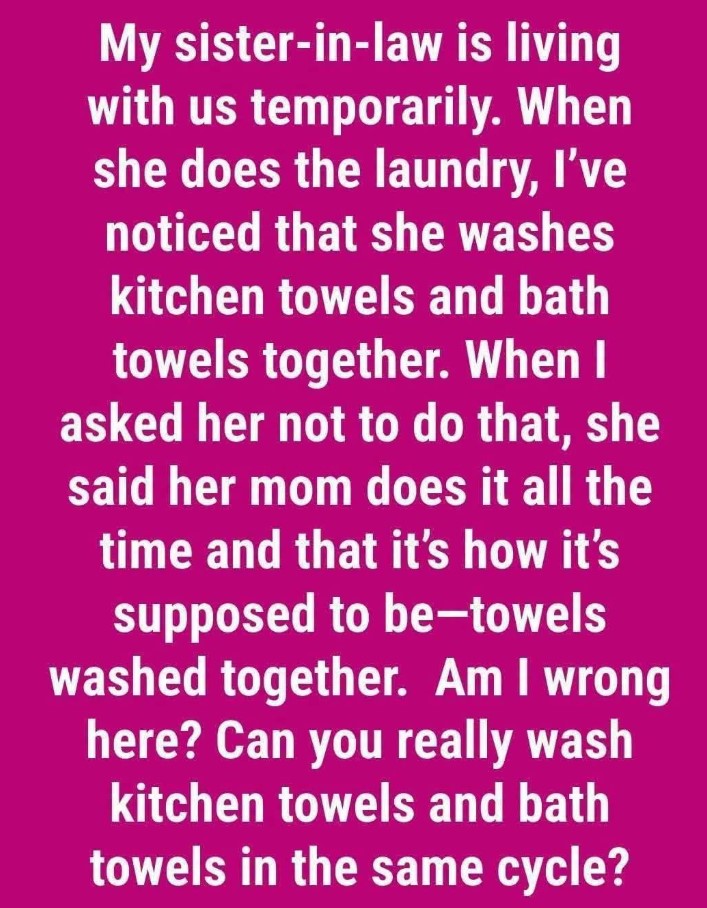
Laundry is one of those household chores that seems straightforward until you discover that everyone has their own way of doing it. Some families sort laundry by color, others by fabric type, while some separate loads based on hygiene concerns. One debate that often comes up is whether kitchen towels and bath towels should be washed together.
Imagine noticing a family member tossing both into the same washing machine load. Would you think it’s perfectly normal, or would you be concerned about cleanliness? While many people wash all towels together without a second thought, others believe they should always be kept separate. So who’s right?
The answer isn’t as simple as yes or no. It depends on how the towels are used, how dirty they are, and the washing method you choose. Understanding these factors can help you decide what works best for your household.
Why Kitchen Towels Are Different
Kitchen towels work much harder than many people realize. Throughout the day, they may be used to:
- Dry hands while preparing meals.
- Wipe kitchen counters.
- Clean up food spills.
- Dry dishes and cookware.
- Handle hot pots and pans.
Because they frequently come into contact with food, grease, moisture, and sometimes raw meat juices, kitchen towels can collect bacteria much faster than other household linens.
If they aren’t washed regularly, they may develop unpleasant odors and become a breeding ground for germs.
What About Bath Towels?
Bath towels are designed for a completely different purpose. Most of the time, they are used after bathing or showering when your body is relatively clean.
Although bath towels absorb:
- Water
- Natural body oils
- Dead skin cells
- Soap residue
they generally aren’t exposed to food contaminants or cooking grease.
However, bath towels can still develop bacteria and mildew if they’re left damp for long periods or aren’t washed often enough.
Is It Safe to Wash Them Together?
Technically, yes—you can wash kitchen towels and bath towels together if they are all washable at the same temperature and are not heavily soiled.
Modern washing machines combined with quality laundry detergent remove a large amount of dirt and microorganisms during a complete wash cycle.
However, many cleaning experts recommend separating them whenever possible.
The reason isn’t that it’s dangerous to wash them together, but because kitchen towels usually carry a different type of dirt than bath towels.
Reasons to Wash Them Separately
Better Hygiene
Kitchen towels often pick up bacteria from food preparation areas. Washing them separately helps reduce the possibility of transferring those contaminants to bath towels.
Improved Cleaning Results
Kitchen towels sometimes need hotter water or longer wash cycles to remove grease and stubborn stains.
Bath towels, on the other hand, usually don’t require such intensive cleaning.
Keeping them in separate loads allows each group of towels to receive the washing treatment it needs.
Preventing Odors
Grease and food particles trapped in kitchen towels may leave behind lingering smells.
Separating them helps keep bath towels smelling fresher after every wash.
When Washing Them Together Makes Sense
There are situations where combining them in one load is perfectly reasonable.
For example:
- The kitchen towels were only used for drying clean hands.
- None of the towels have food stains or grease.
- The towels are washed with hot or warm water according to their care labels.
- A good-quality detergent is used.
- Everything is thoroughly dried immediately after washing.
In these situations, many households experience no issues at all.
Best Practices for Washing Towels
Whether you wash them together or separately, following a few simple habits can improve cleanliness.
Wash Kitchen Towels Frequently
Kitchen towels should ideally be washed every few days, or even daily if they’re used heavily during cooking.
Don’t Leave Damp Towels Sitting
Moisture encourages the growth of bacteria and mold. Hang towels so they can dry completely before placing them in the laundry basket.
Use the Right Water Temperature
Always check the care label.
Many cotton towels can tolerate warm or hot water, which helps remove oils and bacteria more effectively.
Avoid Overloading the Washer
Towels need room to move freely inside the washing machine so detergent and water can reach every fiber.
Dry Completely
Whether using a dryer or hanging them outside, make sure towels are fully dry before folding and storing them.
Common Laundry Mistakes
Many people unintentionally reduce the cleanliness of their towels by making simple mistakes, including:
- Washing towels with greasy clothing.
- Using too much detergent.
- Adding excessive fabric softener, which reduces absorbency.
- Leaving damp towels inside the washer for several hours.
- Waiting too long between washes.
Avoiding these habits helps towels stay cleaner and last longer.
So, Who Is Right?
The truth is that both viewpoints have some merit.
Many families routinely wash all of their towels together and never experience any noticeable problems. At the same time, separating kitchen towels from bath towels is considered a more hygienic practice, particularly if the kitchen towels have been used around food preparation.
If convenience is your priority, washing them together occasionally is generally acceptable as long as they’re washed properly.
If you’re aiming for the highest standard of cleanliness, keeping them in separate loads is the better option.
Conclusion :
Kitchen towels and bath towels may look similar, but they serve very different purposes. Kitchen towels often come into contact with food, grease, and cooking surfaces, while bath towels are primarily used on a clean body after bathing. Because of these differences, washing them separately can help maintain better hygiene and prevent odors or cross-contamination.
That said, washing them together isn’t automatically unsafe. If the towels aren’t heavily soiled, are washed with the appropriate detergent and water temperature, and are dried thoroughly afterward, most households won’t encounter problems. Ultimately, the best approach depends on your family’s habits, your comfort level, and how each type of towel is used. A little extra attention during laundry day can go a long way toward keeping your home cleaner and your towels fresher.