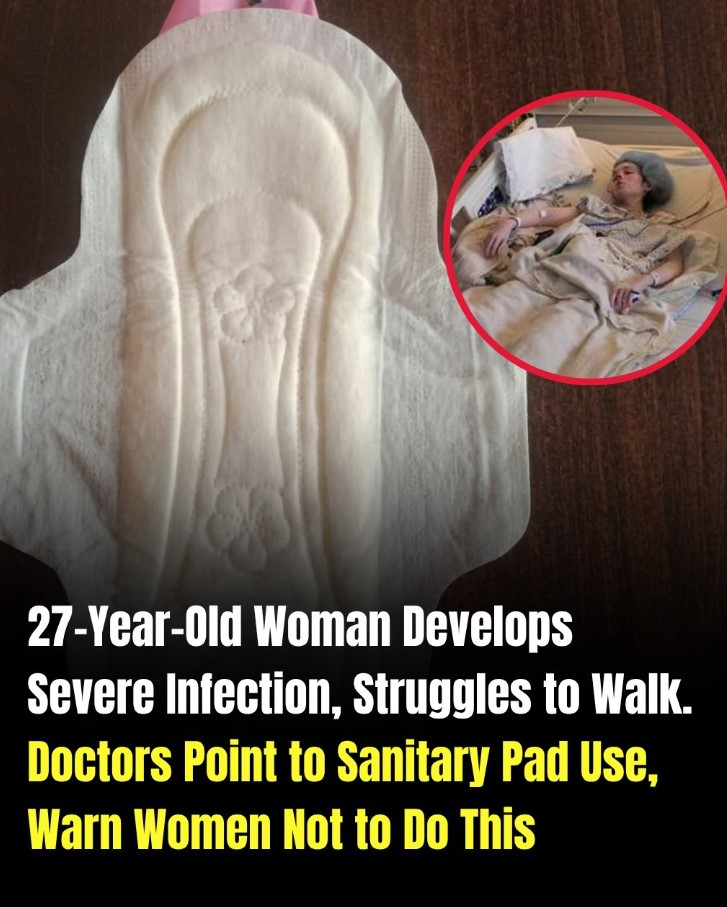
Sanitary pads are one of the most commonly used menstrual hygiene products in the world. For many women and girls, they provide comfort, convenience, and confidence during their monthly cycle. Because they are used so regularly—sometimes for decades—it’s important to understand not just how they work, but how to use them safely and choose them wisely.
Most people buy sanitary pads based on comfort, absorbency, or brand familiarity, without thinking much about what they are made of. However, pads come into close contact with sensitive skin for hours at a time, which means hygiene, breathability, and product quality matter a great deal.
The goal is not to create fear, but awareness. Safe pad use is mostly about good habits: choosing clean, comfortable products, changing them regularly, and paying attention to irritation or unusual reactions.
What Sanitary Pads Are Made Of
Most disposable sanitary pads contain a mix of:
- Cotton or nonwoven top layers
- Absorbent core materials
- Superabsorbent polymers (SAPs)
- Adhesives
- Plastic back layers for leak protection
- Sometimes fragrances or added scents
Some reviews note that pads may also contain synthetic materials like polyethylene and polypropylene, along with adhesives and fragrances that may irritate sensitive skin.
This is why some people prefer unscented or more breathable options, especially if they have sensitive skin.
Why Changing Pads Regularly Matters
One of the most important rules of menstrual hygiene is changing pads often.
Experts commonly recommend changing a sanitary pad every 4 to 6 hours, or sooner if the flow is heavy. Waiting too long can lead to:
- Moisture buildup
- Skin irritation
- Unpleasant odor
- Increased bacterial growth
- Higher risk of discomfort or infections
Even overnight, it’s best to use the correct absorbency rather than wearing the same pad for too long.
Avoid Scented Pads if You Have Sensitive Skin
Fragranced pads may smell fresh, but added perfumes can sometimes cause:
- Itching
- Redness
- Irritation
- Contact dermatitis
Medical reviews note that fragrances, adhesives, and some synthetic materials may trigger skin reactions, especially in sensitive areas.
Unscented pads are often a safer choice for people who experience irritation easily.
Wash Hands Before and After Changing
Good hygiene starts with clean hands.
Before changing a pad:
- Wash your hands with soap and water
After disposal:
- Wash your hands again
This simple habit helps reduce the chance of bacteria spreading and keeps the process more hygienic.
Choose Breathable, Comfortable Products
Pads that trap too much heat and moisture may cause discomfort, especially during hot weather or long wear.
Look for:
- Soft top layers
- Breathable materials
- Good absorbency for your flow
- Unscented options if sensitive
Some reviews note that poor moisture control can increase irritation and discomfort.
Comfort matters just as much as absorbency.
Dispose of Pads Properly
Used sanitary pads should be:
- Wrapped securely
- Placed in a trash bin
- Never flushed down the toilet
Flushing pads can cause plumbing problems and environmental waste. Proper disposal also helps maintain hygiene and privacy.
Pay Attention to Unusual Reactions
If using a certain pad causes:
- Persistent itching
- Burning
- Rash
- Unusual discharge
- Strong discomfort
…it may be worth switching brands or choosing unscented options. If symptoms continue, a healthcare professional should evaluate it.
Sometimes the issue is not the pad itself, but how long it is being worn or sensitivity to certain materials.
Conclusion :
Sanitary pad safety is less about fear and more about smart, simple habits. Most pads are designed for regular use, but how you choose them and how often you change them can make a big difference in comfort and hygiene.
Regular changing, good handwashing, proper disposal, and avoiding irritating ingredients like strong fragrances all help protect sensitive skin and reduce common problems like itching, rashes, and discomfort.
It’s also important to remember that every body is different. What works perfectly for one person may cause irritation for another, which is why paying attention to your own comfort matters most.
In the end, menstrual care should feel safe, clean, and comfortable—not stressful. A little awareness goes a long way, and understanding the basics of sanitary pad safety helps make every cycle healthier and easier to manage.