Staying in a hotel can feel like a little escape from everyday life. Someone else makes the bed, fresh towels appear each morning, the bathroom is stocked with toiletries, and your room often contains a collection of small conveniences designed to make your stay more comfortable.
And then comes checkout.
As you pack your suitcase, you may notice a few items around the room that seem almost as though they were meant to be taken home. A tiny bottle of shampoo, a bar of soap, a notepad, or perhaps a complimentary pen can easily find its way into your luggage.
But what about the towels? The bathrobe? The decorative cushions? The coffee maker?
This is where things become less obvious.
Hotels provide many items specifically for guests to use, while other objects are hotel property and are expected to remain in the room. Taking something that isn’t complimentary could result in an unexpected charge, an awkward conversation with hotel staff, or, in more serious cases, other consequences depending on the property and local rules.
The good news is that the distinction is usually fairly easy to understand once you know what to look for.
What Does “Complimentary” Actually Mean?
One of the biggest sources of confusion is the assumption that anything placed inside a hotel room is automatically free for guests to take.
That’s not necessarily the case.
Hotels generally provide certain amenities for guests to consume or use during their stay. Other items are simply placed in the room for convenience.
Think of it this way: something being available for you to use does not automatically mean you own it.
A hotel room may contain furniture, electronics, linens, appliances, decorations, and bathroom accessories. Most of these remain the hotel’s property even though you are allowed to use them during your stay.
On the other hand, small disposable or individually packaged amenities are often intended for guests.
The exact rules can vary from one hotel to another, so when you’re uncertain, checking with the front desk is always the safest option.
Mini Toiletries Are Usually Fine To Take
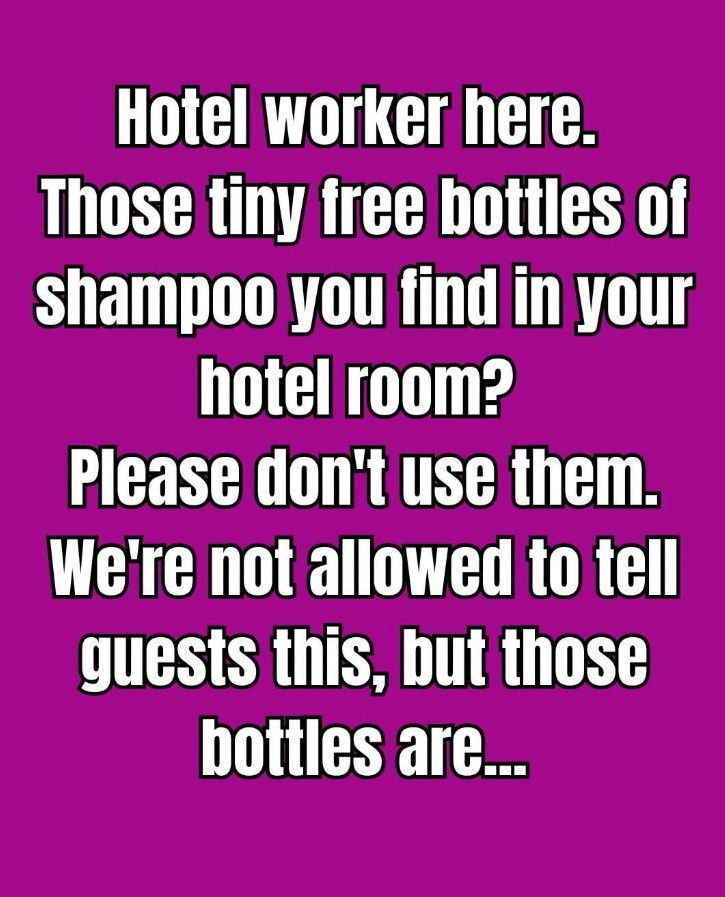
One of the easiest categories is the collection of small personal-care products found in many hotel bathrooms.
These commonly include:
- Shampoo
- Conditioner
- Body wash
- Body lotion
- Bar soap
- Toothpaste, when provided
- Shower caps
- Small personal-care accessories
- Other disposable bathroom items
These products are generally supplied specifically for guest use.
If you open a small bottle of shampoo during your stay and don’t finish it, it is usually reasonable to take the remaining product with you.
The same applies to individually packaged soap or similar disposable toiletries.
However, there is an important modern exception.
What About Refillable Bathroom Dispensers?
Hotel bathrooms are increasingly using large refillable dispensers instead of individual miniature bottles.
These may contain shampoo, conditioner, body wash, or other products attached to the shower wall or sink area.
Unlike a small individual bottle intended for a guest, a refillable dispenser is generally part of the hotel’s fixtures and is not something you should remove.
Even if the product inside is technically provided for your use, the dispenser itself belongs to the property.
So there’s a simple distinction:
The product may be complimentary; the dispenser usually isn’t.
If you see a removable travel-size container, it’s much more likely to be intended for guests. If it’s permanently mounted or connected to the bathroom, leave it where it is.
Soap Is Usually Different From Hotel Towels
A small wrapped bar of soap is generally considered a disposable guest amenity.
A hotel towel is not.
This may seem obvious, but the distinction highlights an important principle when deciding what you can take: consumable or disposable items are treated differently from reusable hotel property.
A bar of soap is designed to be used and eventually discarded.
A towel is designed to be washed, reused, and supplied to countless future guests.
That makes taking a towel much more serious than putting an unused bar of soap into your toiletry bag.
Pens And Notepads
Hotel rooms sometimes contain pens and small notepads, often placed on a desk or beside the telephone.
These are commonly intended for guests to use.
If you jot down a phone number or make a quick note during your stay, the hotel doesn’t generally expect you to return the pen to its original position before leaving.
Small branded stationery is also sometimes deliberately designed to travel with guests because it can function as a subtle form of advertising for the hotel.
Still, policies vary.
If a pen appears to be a standard complimentary item, taking it is generally not a concern. If you’re unsure about a particular piece of stationery, you can always ask.
Coffee, Tea, And Other Small Consumables
Another category that is often intended for guests is the selection of complimentary beverages and related supplies.
Depending on the hotel, your room may contain:
- Tea bags
- Coffee packets
- Sugar
- Creamer
- Hot chocolate
- Bottled water
- Stir sticks
- Disposable cups
- Small packaged snacks
If these are clearly presented as complimentary in-room amenities, they’re generally meant to be consumed by the guest.
However, don’t confuse complimentary supplies with items from a paid minibar.
That distinction is extremely important.
Be Careful With The Minibar
A minibar can look deceptively similar to the complimentary items sitting on a hotel desk.
The difference is that minibar products are often sold rather than given away.
That means the bottle of water inside a minibar may have a completely different status from the bottle of water placed beside the coffee machine.
Some hotels charge for minibar items automatically when they’re removed, while others use sensors or require staff to check the contents.
Before taking anything from a minibar, check the hotel’s pricing information.
A small snack can turn into a surprisingly expensive souvenir.
What About Bottled Water?
Bottled water is one of those items where hotel policies can differ considerably.
Some hotels provide complimentary water as part of the room amenities.
Others place bottled water in the minibar and charge for it.
Still others provide complimentary bottles only for certain room categories or loyalty-program members.
So don’t assume every bottle is free simply because it is sitting on the desk.
Look for a label, information card, minibar menu, or other indication of whether the water is complimentary.
When in doubt, ask.
Hotel Towels Should Stay Behind
This is one of the clearest examples of something that should remain in the room.
Hotel towels are reusable property.
That includes:
- Bath towels
- Hand towels
- Face towels
- Bath mats
- Pool towels
- Beach towels
They may feel like a small and harmless item to take, but replacing towels costs hotels money, and missing linens have to be accounted for.
If you love the feel of the hotel’s towels, there’s a much better solution: ask whether the hotel sells them.
Many hotels partner with manufacturers and offer bedding, pillows, robes, or towels for purchase.
That way, you can enjoy the same item at home without accidentally walking away with hotel property.
Bathrobes Are Usually Not Complimentary Gifts
A plush hotel robe can be tempting.
After spending a few nights wearing one, it may seem like the perfect souvenir.
Unfortunately, the fact that a robe is placed in your room doesn’t generally mean it’s yours to keep.
Like towels, robes are typically reusable hotel property.
Some hotels do sell their robes, so if you particularly like one, ask the front desk whether you can purchase it.
That’s a much better option than packing it into your suitcase and hoping nobody notices.
Slippers Can Be An Exception
Disposable slippers are somewhat different.
Many hotels provide lightweight slippers that are designed for individual guest use. Depending on the hotel’s policy, these may be perfectly acceptable to take after your stay.
The important thing is to distinguish disposable guest slippers from higher-quality reusable footwear that the hotel intends to launder and reuse.
If the slippers are clearly designed as a one-time guest amenity, taking them is generally not an issue.
If you’re uncertain, ask.
Don’t Take The Hair Dryer
A hair dryer is another item that is clearly intended for use rather than removal.
Hotels place hair dryers in bathrooms because guests need them during their stay.
That doesn’t make them complimentary gifts.
The same principle applies to other electrical appliances such as:
- Coffee makers
- Irons
- Electric kettles
- Hair straighteners
- Chargers supplied by the hotel
- Alarm clocks
- Speakers
These are hotel equipment.
Even if an item is inexpensive, removing it can result in a charge or replacement fee.
What About The Television Remote?
It may sound obvious, but the remote control belongs to the room.
Hotels need it for the next guest.
The same goes for telephones, electronic control panels, thermostats, and other room equipment.
Anything that appears permanently associated with the room should generally stay exactly where it is.
Decorative Items Are Not Souvenirs
Hotel rooms often contain decorative objects that can look small enough to fit inside a suitcase.
Examples include:
- Decorative cushions
- Artwork
- Vases
- Lamps
- Picture frames
- Small sculptures
- Decorative trays
- Table ornaments
These items may not look particularly valuable, but they are part of the hotel’s furnishings.
Removing one can create an inventory problem for housekeeping and management.
If something catches your eye, ask where it came from. You may discover that the hotel sells it or can tell you where to purchase a similar item.
Don’t Assume “Small” Means “Free”
One of the most useful rules to remember is that size has nothing to do with ownership.
A tiny decorative object may be expensive.
A large bottle of shampoo may be complimentary.
A small remote control may be hotel property.
A tiny bar of soap may be yours to take.
Instead of asking, “Is this small enough to take?” ask:
“Was this provided as a disposable or complimentary guest amenity, or is it reusable hotel property?”
That question will usually give you the answer.
Hotel Bibles, Books, And Reading Materials
Hotels sometimes provide books, religious texts, magazines, newspapers, or other reading materials.
Policies vary widely.
Some materials are intended to remain in the room, while newspapers or certain promotional publications may be free for guests.
If a book or publication doesn’t clearly indicate that guests may take it, it’s best to leave it behind.
This is especially important with books that appear to be part of the hotel’s permanent room inventory.
What Happens If You Accidentally Take Something?
Mistakes happen.
Maybe a towel accidentally ends up inside your laundry bag. Perhaps you pack a robe without realizing it belongs to the hotel.
If you discover the mistake after leaving, don’t panic.
The best response is simply to contact the hotel and explain what happened.
They may ask you to return the item or may provide instructions for handling the situation.
Being honest is much better than ignoring the issue.
Why Hotels Care About Missing Items
It can be easy to think that one missing towel or one missing robe isn’t a big deal.
But hotels operate on a large scale.
If every guest took one reusable item, replacement costs could become significant.
Hotels have to maintain room inventories, replace damaged goods, purchase linens, and prepare rooms for the next guest.
Even inexpensive items become expensive when they have to be replaced repeatedly across hundreds of rooms.
That’s why hotels distinguish between complimentary amenities and reusable property.
The Best Rule: When In Doubt, Ask
There is no need to guess.
If you’re standing in a hotel room wondering whether something can go home with you, call the front desk.
A quick question can prevent an uncomfortable misunderstanding.
You might say:
“Is this item complimentary, or should I leave it in the room?”
That’s all it takes.
Hotel staff receive questions like this regularly, and it’s far better to ask than to assume.
A Simple Hotel-Room Checklist
Before leaving your room, take a quick look around.
Items you can generally expect to take, depending on the hotel’s policy, may include:
- Unused miniature toiletries
- Small bars of soap
- Disposable shower caps
- Complimentary stationery
- Pens
- Complimentary tea or coffee
- Individually packaged consumables
- Disposable slippers, when provided as such
Items that should generally remain include:
- Towels
- Bathrobes
- Hair dryers
- Irons
- Coffee makers
- Kettles
- Remote controls
- Decorative objects
- Lamps
- Pillows
- Blankets
- Reusable bathroom dispensers
- Artwork
- Other hotel equipment and furnishings
This isn’t an absolute universal rule because individual hotels can set their own policies, but it provides a useful starting point.
Why This Matters More Than You Might Think
Knowing what belongs to you and what belongs to the hotel isn’t simply about avoiding an unexpected charge.
It’s also about respecting the property and the staff who maintain it.
Housekeeping teams have to prepare rooms quickly between guests. When an item disappears, someone has to notice it, report it, replace it, and make sure the room is properly stocked for the next visitor.
A missing towel may seem insignificant to one guest, but repeated losses create additional work and expenses for the hotel.
Being considerate costs nothing.
Hotels Sometimes Want You To Take Things
There’s an interesting side to this subject: hotels don’t necessarily want guests to leave with nothing.
Small branded items can be part of the guest experience.
A pen with the hotel’s logo, a notepad, or a small toiletry can serve as a reminder of the stay. Some properties even deliberately offer certain products for guests to take.
These items can function as marketing because a guest may continue using the branded product long after returning home.
So don’t feel as though you’re doing something wrong by taking an obviously complimentary item.
The key is simply knowing the difference between a souvenir and hotel equipment.
The Bottom Line
Hotel rooms are filled with little conveniences, but not everything inside them is yours to pack into your suitcase.
Miniature toiletries, disposable accessories, complimentary stationery, and certain packaged refreshments are commonly intended for guest use and may often be taken home. However, reusable items such as towels, robes, appliances, electronics, decorations, and room furnishings generally belong to the hotel and should stay behind.
The safest approach is simple: if an item is clearly disposable, individually packaged, or specifically presented as a complimentary amenity, it is usually fine to take it. If it’s reusable, attached to the room, part of the furniture, or something future guests will need, leave it where it is.
And when you’re genuinely unsure, there’s no harm in asking the front desk.
A five-second question can save you from an unexpected charge—and it can make checkout a lot more comfortable.
So the next time you pack your suitcase after a hotel stay, take the little bottle of shampoo if the hotel’s policy allows it, grab that complimentary pen, finish the coffee, and enjoy the memories.
Just leave the towels, bathrobe, hair dryer, and television remote exactly where you found them.