Have you ever stumbled across an old household object at an antique shop, flea market, or family attic and wondered what it was used for? Vintage tools often spark curiosity because many of them have disappeared from modern homes, replaced by electric appliances and more convenient kitchen gadgets. Yet each of these forgotten items once played an important role in everyday life, helping families prepare meals with nothing more than simple craftsmanship and manual effort.
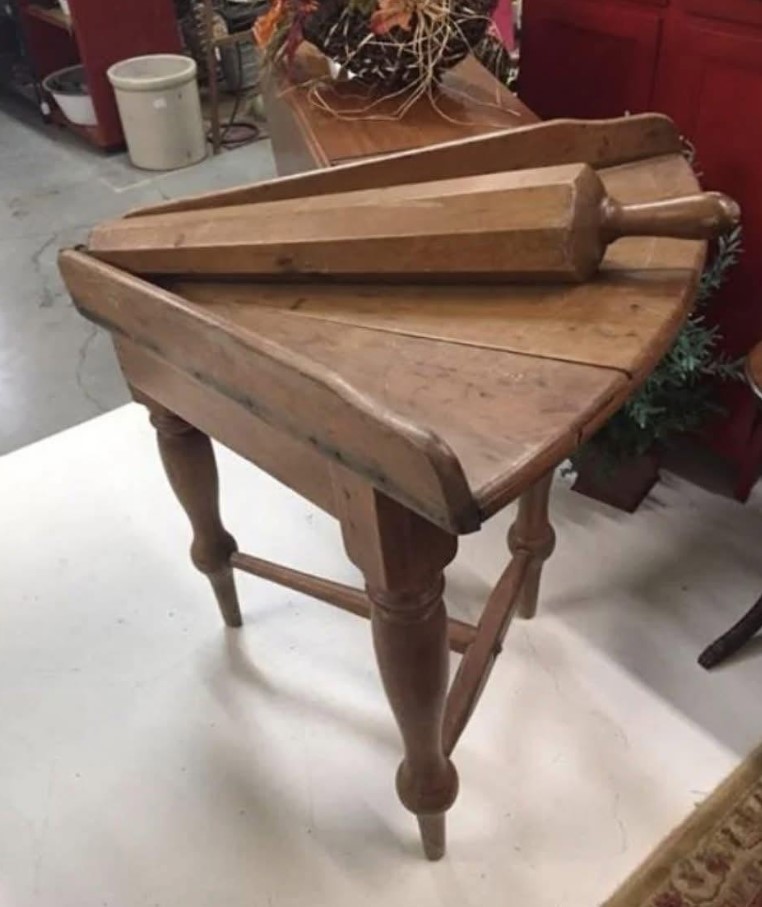
The wooden object pictured above is one of those fascinating relics from the past. At first glance, it may resemble a small table paired with a rolling pin, but its design served a very specific purpose. For generations, households relied on this practical kitchen tool to prepare one of the world’s oldest and most beloved foods: butter.
Let’s explore what this intriguing antique is, how it was used, and why it remains a treasured reminder of traditional home life.
A Forgotten Piece of Kitchen History
Long before supermarkets sold neatly wrapped sticks of butter, families often made their own at home.
After milking cows, fresh cream was collected and allowed to separate naturally. The cream was then churned until butter formed, but the process didn’t end there. The newly made butter still contained excess moisture and buttermilk, both of which needed to be removed to improve texture and increase shelf life.
That’s where this unique wooden tool came into play.
What Is It?
The object shown is known as a butter worker, sometimes called a butter table or butter paddle table.
It consists of:
- A sturdy wooden table with raised edges.
- A grooved or slightly sloped work surface.
- A large wooden butter paddle or roller.
Together, these pieces allowed home cooks to knead freshly churned butter into a smooth, consistent product.
Why Butter Needed to Be Worked
Fresh butter contains tiny pockets of liquid.
If too much moisture remains inside:
- Butter spoils more quickly.
- Texture becomes uneven.
- Flavor may deteriorate.
- Storage life decreases.
Working the butter helped squeeze out excess buttermilk while distributing moisture evenly throughout the finished product.
How the Butter Worker Was Used
After churning, the butter was placed directly onto the wooden surface.
The cook would then use the paddle or roller to:
- Press the butter.
- Fold it repeatedly.
- Turn it over several times.
- Remove remaining liquid.
- Blend salt evenly if desired.
This process continued until the butter became smooth, firm, and ready for storage.
Why the Table Has Raised Edges
The raised sides were far from decorative.
They served several practical purposes:
- Prevented butter from sliding off.
- Collected escaping buttermilk.
- Kept the workspace cleaner.
- Made kneading easier.
Every detail of the design reflected generations of practical experience.
The Importance of Homemade Butter
For many rural families, butter was more than a tasty spread.
It was an essential food used for:
- Baking bread
- Cooking vegetables
- Frying foods
- Preserving seasonal ingredients
- Trading or selling at local markets
Producing high-quality butter could contribute directly to a household’s income.
Butter Making Was a Family Tradition
Making butter often involved the entire family.
Children frequently helped by:
- Gathering cream.
- Turning the butter churn.
- Washing butter.
- Preparing storage containers.
These shared tasks became part of daily life and passed valuable skills from one generation to the next.
Why Wood Was the Material of Choice
Wood was ideal for butter workers because it offered several advantages.
It was:
- Durable
- Easy to carve
- Widely available
- Gentle on fresh butter
- Naturally insulating
Many butter workers were handmade by local carpenters and built to last for decades.
Caring for a Butter Worker
Owners took great care of these tools.
After each use, they were:
- Scraped clean.
- Washed carefully.
- Allowed to dry completely.
- Stored in a cool, dry place.
Proper maintenance helped prevent cracking and ensured the wood remained suitable for food preparation.
Why They Disappeared
As refrigeration became common and commercial butter production expanded, fewer families needed to make butter at home.
Modern factories could:
- Produce butter efficiently.
- Package it safely.
- Maintain consistent quality.
- Distribute it nationwide.
As a result, traditional butter workers gradually disappeared from everyday kitchens.
Antique Value Today
Today, these wooden tools are appreciated for more than their original function.
Collectors value them because they:
- Represent rural history.
- Showcase traditional woodworking.
- Reflect early kitchen craftsmanship.
- Add rustic charm to home décor.
Many antique butter workers are displayed in farmhouse-style kitchens or museums celebrating agricultural history.
Could You Still Use One?
Technically, yes.
Many people who enjoy traditional food preparation or homesteading still make butter by hand.
A well-preserved butter worker can still perform its original job, although modern food safety practices recommend ensuring the wood is thoroughly cleaned and maintained before use.
A Reminder of Simpler Times
Objects like this remind us how much effort once went into everyday household tasks.
Before electric mixers, food processors, and refrigeration, families depended on skill, patience, and carefully crafted tools to produce basic foods that many people now purchase with little thought.
Every scratch, worn edge, and polished surface tells a story of years of daily use and generations of hands working together.
Conclusion :
The antique butter worker is much more than an old wooden table with a paddle—it’s a fascinating reminder of a time when homemade food was a daily necessity rather than a weekend hobby. Before modern conveniences transformed the kitchen, families relied on simple yet effective tools like this to prepare fresh butter, preserve its quality, and make the most of the resources available to them. Its thoughtful design reflects the ingenuity and craftsmanship of earlier generations, proving that even the simplest household items were built with purpose and durability in mind.
Today, these vintage butter workers serve as valuable pieces of history, offering a glimpse into traditional farming and home cooking practices. Whether displayed as rustic décor, preserved in museums, or occasionally used by enthusiasts who still enjoy making butter by hand, they continue to tell the story of a slower, more hands-on way of life. They remind us that many everyday tasks once required patience, skill, and teamwork—qualities that helped shape family traditions for generations.
The next time you come across an unfamiliar antique, take a moment to appreciate the history behind it. What may seem like an ordinary wooden object could have been an essential tool that families used every single day. Exploring these forgotten inventions not only satisfies our curiosity but also helps preserve the remarkable ingenuity of those who came before us.