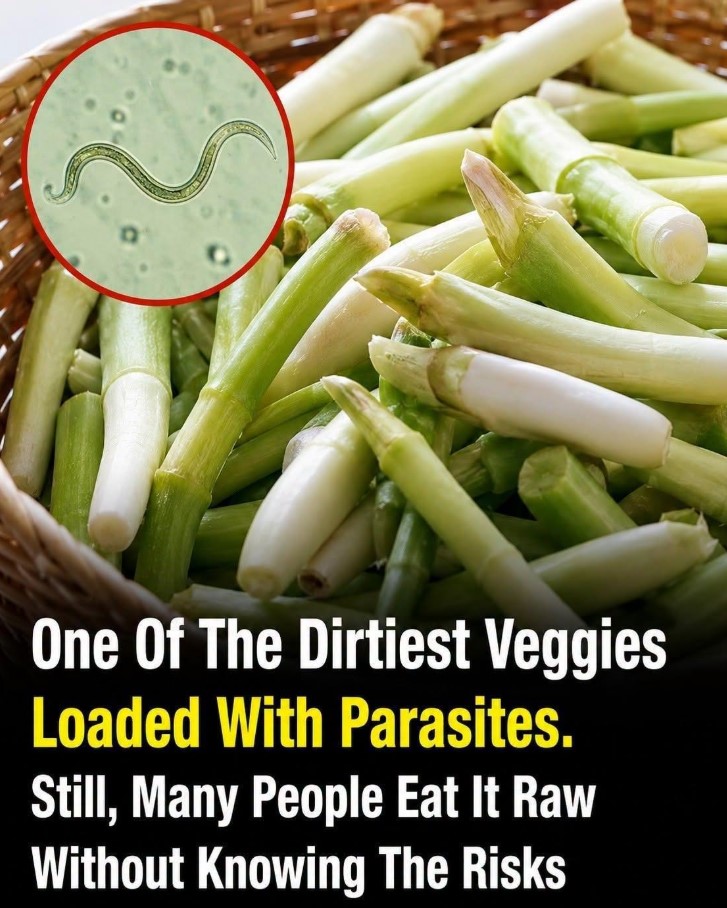
Green onions, also known as scallions, are a favorite ingredient in kitchens around the world. Their mild flavor and crisp texture make them perfect for salads, soups, tacos, stir-fries, omelets, and countless other dishes. Because they’re often enjoyed raw, many people assume they are perfectly safe to eat straight from the grocery store after a quick rinse. However, like many fresh vegetables, raw green onions can sometimes carry hidden contaminants that make proper handling more important than you might think.
While sensational claims on social media often exaggerate the dangers of eating raw green onions, there is some truth behind the importance of washing and preparing them correctly. Fresh produce can occasionally become contaminated with bacteria, parasites, or dirt during growing, harvesting, transportation, or storage. Fortunately, a few simple food safety habits can greatly reduce these risks while allowing you to continue enjoying this nutritious vegetable.
Let’s take a closer look at why green onions deserve a little extra attention and how you can safely include them in your meals.
Why Green Onions Can Become Contaminated
Green onions grow close to the ground, where they are exposed to soil, irrigation water, insects, and organic fertilizers. During cultivation, the long white stalks and delicate green leaves can collect dirt and microorganisms that may not be visible to the naked eye.
After harvest, green onions pass through several stages before reaching your kitchen, including packing facilities, transportation, warehouses, and grocery store displays. Each step introduces opportunities for contamination if proper food handling practices are not followed.
Are Parasites Really a Concern?
Some online posts claim that green onions are “loaded with parasites.” While this statement is misleading and overly dramatic, it is true that fresh vegetables—including green onions—can occasionally become contaminated with parasites under certain conditions.
Parasites that have been linked to contaminated produce include:
- Giardia
- Cyclospora
- Cryptosporidium
- Toxoplasma (rarely through contaminated soil)
These organisms are uncommon in commercially sold produce in many countries, but outbreaks have occurred from contaminated fruits and vegetables. The risk depends largely on farming practices, sanitation, and water quality rather than the vegetable itself.
Bacteria Pose a More Common Risk
In reality, bacteria are generally a greater concern than parasites when it comes to fresh produce.
Raw vegetables have occasionally been associated with bacteria such as:
- Salmonella
- Escherichia coli (E. coli)
- Listeria monocytogenes
Although contamination is relatively rare, these bacteria can cause foodborne illness if consumed.
Why Eating Them Raw Increases Risk
Cooking destroys most harmful bacteria and parasites that may be present on vegetables.
When green onions are eaten raw in:
- Salads
- Sandwiches
- Dips
- Garnishes
- Sushi
- Fresh salsas
there is no heating step to eliminate microorganisms. That makes careful washing especially important.
Who Should Be Extra Careful?
Most healthy adults recover from mild foodborne illnesses without long-term problems. However, some individuals face a greater risk of serious complications.
Extra caution is recommended for:
- Young children
- Older adults
- Pregnant women
- People receiving chemotherapy
- Individuals with weakened immune systems
- Organ transplant recipients
These groups should pay particular attention to food safety recommendations.
How to Wash Green Onions Properly
Fortunately, cleaning green onions thoroughly is quick and easy.
Follow these simple steps:
- Remove any wilted or damaged outer leaves.
- Trim off the root ends.
- Separate the stalks if necessary.
- Rinse thoroughly under cool running water.
- Gently rub the white portion where dirt often collects.
- Shake off excess water.
- Pat dry with a clean paper towel or kitchen towel.
Running water is generally the most effective way to remove dirt and many surface contaminants.
Should You Use Soap or Vegetable Wash?
No.
Food safety experts recommend not washing produce with soap, bleach, or household detergents, as these products can leave residues that are not meant to be consumed.
Plain running water is sufficient for routine cleaning. Commercial produce washes have not consistently been shown to outperform thorough rinsing under clean water.
Don’t Forget the White Stalk
Many people focus on rinsing the green leaves while overlooking the white base.
The lower stalk often traps:
- Soil
- Sand
- Tiny insects
- Plant debris
Separating the layers slightly while rinsing helps remove hidden particles.
Safe Storage Tips
Proper storage also helps keep green onions fresh and reduces the chance of bacterial growth.
Store them by:
- Refrigerating promptly after purchase.
- Keeping them dry.
- Wrapping loosely in a paper towel.
- Placing them in a breathable plastic bag or produce drawer.
- Using them within several days for the best quality.
Discard any onions that become slimy, develop an unpleasant odor, or show signs of mold.
Prevent Cross-Contamination
Even perfectly clean vegetables can become contaminated during meal preparation.
To reduce this risk:
- Wash your hands before handling produce.
- Use clean cutting boards.
- Sanitize knives after cutting raw meat or poultry.
- Keep fresh vegetables separate from raw animal products.
- Clean kitchen surfaces regularly.
Simple habits can significantly reduce the spread of harmful bacteria.
The Nutritional Benefits of Green Onions
Despite concerns about food safety, green onions remain an excellent addition to a healthy diet.
They provide:
- Vitamin K
- Vitamin C
- Folate
- Fiber
- Antioxidants
- Plant compounds that support overall health
They also add flavor without contributing many calories, making them a popular ingredient for balanced meals.
Can You Reduce Risk Even Further?
If you’re concerned about eating raw green onions, there are several easy alternatives.
You can:
- Add them to soups near the end of cooking.
- Stir them into scrambled eggs.
- Sauté them with vegetables.
- Mix them into fried rice.
- Cook them in stir-fries.
- Roast them alongside other vegetables.
Light cooking preserves much of their flavor while reducing microbial risks.
Don’t Let Viral Posts Cause Unnecessary Fear
Social media often uses alarming headlines to grab attention, claiming that common foods are dangerous. While it’s wise to understand genuine food safety concerns, it’s equally important to separate facts from exaggeration.
The vast majority of green onions sold through reputable retailers are safe to eat when handled properly. Rather than avoiding them altogether, focus on good hygiene, proper washing, and safe food preparation practices.
Conclusion :
Green onions are a flavorful, versatile, and nutrient-rich vegetable that can be safely enjoyed as part of a healthy diet. Although fresh produce can occasionally carry bacteria, parasites, or traces of soil from the growing environment, these risks are generally low and can be greatly reduced through proper handling and preparation. Thoroughly rinsing green onions under running water, storing them correctly, and preventing cross-contamination in the kitchen are simple steps that go a long way toward protecting your health.
It’s also important to approach sensational online claims with a critical eye. Headlines suggesting that green onions are “loaded with parasites” often exaggerate the facts to attract attention. While contamination of fresh produce is possible, it is not unique to green onions and does not mean they should be avoided. Trusted food safety practices—not fear—are the best way to enjoy fresh vegetables with confidence.
By making produce washing and kitchen hygiene part of your routine, you can continue to enjoy the crisp flavor and nutritional benefits of green onions in salads, soups, stir-fries, and countless other dishes. A few extra moments of preparation can provide peace of mind while helping you get the most out of one of the kitchen’s most versatile ingredients.