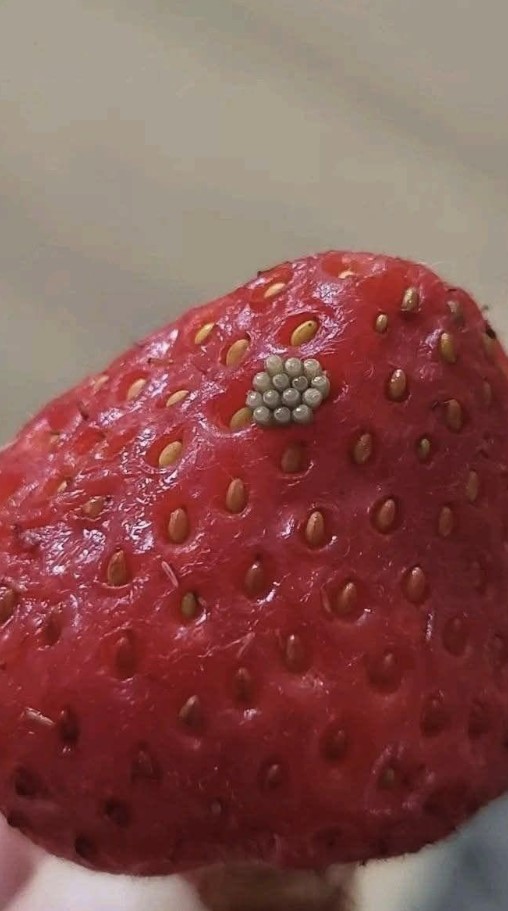
Strawberries are among the most beloved fruits in the world, prized for their bright color, sweet flavor, and impressive nutritional benefits. Whether enjoyed fresh, blended into smoothies, baked into desserts, or added to fruit salads, strawberries are a staple in many households. However, from time to time, videos and social media posts emerge showing tiny white worms appearing to crawl out of strawberries after they are soaked in water, leaving many consumers concerned about what they may have been eating.
Discovering tiny creatures in fruit can certainly be unsettling, but understanding what they are, how they get there, and whether they pose a risk can help separate fact from fear. The reality is that strawberries, like many fruits grown outdoors, can occasionally host small insects or larvae that are difficult to spot with the naked eye.
Learning more about this phenomenon can help consumers make informed decisions about washing, storing, and enjoying their favorite berries without unnecessary worry.
WHAT ARE THE TINY WHITE WORMS FOUND IN STRAWBERRIES?
1. They are often insect larvae
The small white worms occasionally found in strawberries are typically the larvae of tiny fruit flies or similar insects. These insects may lay eggs on or near ripening fruit while it is still growing in the field.
Once the eggs hatch, the larvae can develop inside or around the fruit before becoming visible.
2. They are usually very small
Most of these larvae are tiny, often only a few millimeters long. Because of their size and pale color, they are difficult to notice during normal handling or eating.
Many people never realize they are present.
3. Outdoor-grown fruit naturally attracts insects
Since strawberries are grown outdoors, they are exposed to insects, weather conditions, and other elements of nature. This is a normal part of agricultural production.
WHY DO THE WORMS APPEAR WHEN STRAWBERRIES ARE SOAKED?
1. Saltwater can force movement
Many viral demonstrations involve soaking strawberries in saltwater. The change in environment may cause any larvae present to move or emerge from hidden areas within the fruit.
This can make them much easier to see.
2. Not every strawberry contains them
It is important to understand that finding larvae in one strawberry does not mean every strawberry contains insects.
The occurrence varies depending on growing conditions, location, season, and pest exposure.
3. Social media can exaggerate the issue
Videos often focus on unusual examples, making the problem appear more widespread than it actually is.
This can create unnecessary concern among consumers.
ARE THESE WORMS HARMFUL TO HUMANS?
1. Generally not considered dangerous
In most cases, accidentally consuming small fruit larvae is not considered harmful to healthy individuals.
People have likely consumed tiny insects in produce without ever noticing.
2. Food safety concerns are usually low
The greater concern is often cleanliness rather than serious health risks. Proper washing helps remove dirt, residues, and insects from fresh produce.
3. Sensitive individuals may still prefer caution
Although the risk is generally low, some people may feel more comfortable thoroughly washing fruit before consumption.
HOW TO PROPERLY CLEAN STRAWBERRIES
1. Rinse under cool running water
A thorough rinse helps remove surface dirt, debris, and many insects.
2. Soak if desired
Some people choose to soak strawberries briefly in water before rinsing again.
3. Remove damaged berries
Overripe or damaged strawberries may attract more insects and should be discarded if they appear spoiled.
4. Dry before storage
Dry strawberries tend to stay fresh longer and are less likely to develop mold.
WHY INSECTS ARE SOMETIMES FOUND IN PRODUCE
1. Agriculture occurs in natural environments
Fruits and vegetables grow outdoors where insects are naturally present.
2. Perfectly insect-free produce is difficult to achieve
Even with modern farming methods, eliminating every insect from crops is nearly impossible.
3. Inspection systems reduce risks
Farmers and food suppliers use multiple quality-control measures to minimize contamination before products reach stores.
COMMON MYTHS ABOUT STRAWBERRY WORMS
1. Every strawberry contains worms
This is false. Most strawberries do not contain visible larvae.
2. Washing is useless
Proper washing significantly improves cleanliness and removes many unwanted particles.
3. The worms indicate spoiled fruit
Not necessarily. Fresh fruit can occasionally contain insect larvae even when it appears healthy.
BENEFITS OF CONTINUING TO EAT STRAWBERRIES
1. Rich in vitamin C
Strawberries are an excellent source of vitamin C, which supports immune function.
2. High in antioxidants
They contain beneficial compounds that help protect cells from oxidative stress.
3. Low in calories
Strawberries are naturally low in calories while providing fiber and nutrients.
4. Versatile and delicious
They can be enjoyed in countless recipes and healthy snacks.
Conclusion :
The discovery of tiny white worms in strawberries can be surprising and unpleasant, but it is important to view the situation in context. Strawberries are natural agricultural products grown outdoors, and occasional encounters with small insect larvae are a reality of nature rather than evidence of widespread contamination or danger.
For most healthy individuals, these tiny larvae do not pose a significant health threat. However, proper washing practices can help improve cleanliness and provide greater peace of mind when enjoying fresh fruit. Simple steps such as rinsing, soaking if desired, and inspecting berries before eating can greatly reduce concerns.
It is also important to remember that social media often highlights unusual situations that can make rare occurrences seem common. While videos showing worms emerging from strawberries can be alarming, they do not represent the experience most consumers have when purchasing and eating fresh berries.
Ultimately, strawberries remain one of the most nutritious and enjoyable fruits available. They provide vitamins, antioxidants, fiber, and natural sweetness that make them a valuable addition to a healthy diet. By understanding how produce is grown and practicing proper food handling habits, consumers can continue enjoying strawberries with confidence while appreciating the natural processes involved in bringing fresh fruit from the field to the table.