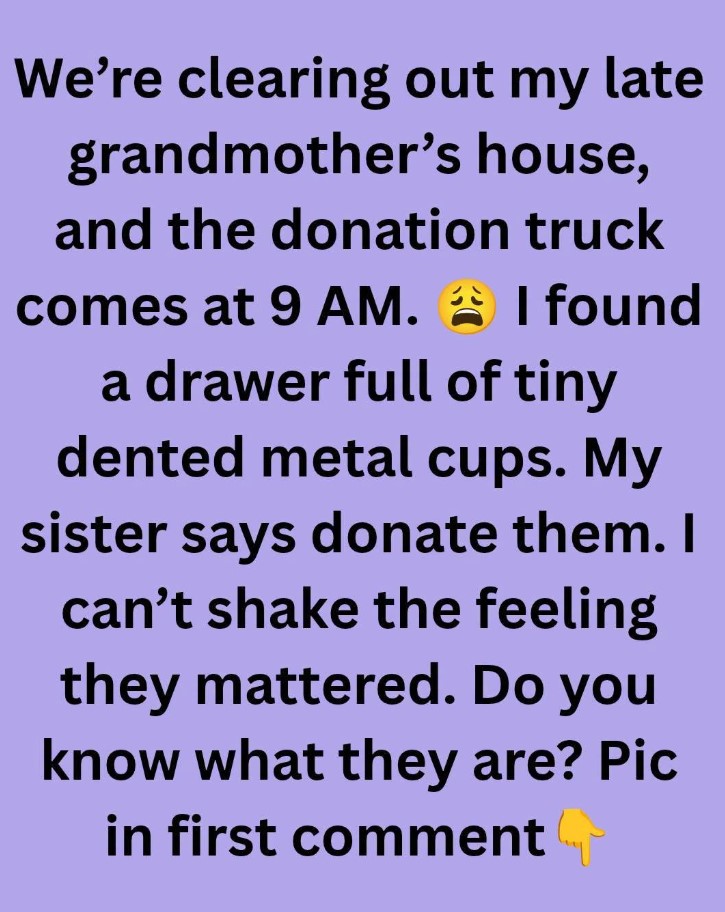
Have you ever opened an old sewing box or looked through a drawer filled with buttons, needles, and pieces of thread, only to discover a strange little metal object you couldn’t identify?
It may look like a tiny cup, a miniature metal cap, or even a decorative object with hundreds of small dents covering its surface. At first glance, it is difficult to understand what it is supposed to do.
But this little object has a surprisingly practical purpose.
It is called a sewing thimble, and it has been helping people sew by hand for generations. Although its design looks simple, it solves a problem that anyone who has tried sewing thick fabric without protection will quickly understand.
A thimble protects your finger from the repeated pressure of pushing a needle through fabric. It also gives you better control when working with difficult materials.
So, what exactly is this little metal tool, why does it have so many tiny indentations, and how do you actually use one?
Let’s take a closer look.
What Exactly Is a Sewing Thimble?
A sewing thimble is a small protective covering worn on a finger while sewing by hand.
The traditional version is usually made from metal and shaped like a small open-ended cup. It fits over the fingertip and has a rounded top with tiny indentations covering its surface.
Its main job is to protect the finger that pushes the needle through the material.
When you sew by hand, you normally hold the needle between your thumb and index finger. Another finger provides pressure from behind, helping move the needle through the fabric.
Without a thimble, repeated pressure against the back of the needle can become uncomfortable. It may leave your fingertip sore, especially when you are sewing through thick materials or several layers of fabric.
A thimble provides a firm protective surface, allowing you to push the needle without putting all that pressure directly on your skin.
It is a small tool, but it can make a considerable difference during longer sewing projects.
Why Does It Have So Many Tiny Dents?
One of the most interesting features of a traditional metal thimble is its textured surface.
Those tiny indentations are not simply decorative. They are designed to help the needle stay in position while you push it through the fabric.
Imagine trying to push the back of a needle against a completely smooth metal surface. If the needle is slightly tilted, it may slide sideways when you apply pressure.
The small dents on a thimble create little spaces where the needle can rest. This improves contact between the needle and the protective surface, helping prevent unwanted slipping.
It also gives the user better control over the direction and pressure of each stitch.
This clever design is one reason traditional thimbles have remained useful for so long. They do not require complicated mechanisms, batteries, or moving parts. Their simple shape and textured surface do the job effectively.
How Do You Actually Use a Sewing Thimble?
Using a thimble is easier than it looks, even if you have never handled one before.
The most important thing is choosing the correct finger. A thimble is generally worn on the finger that pushes the needle through the material.
For many people, this is the middle finger, although some prefer using another finger depending on their sewing technique.
Here is how to use it:
Step 1: Choose the correct finger
Place the thimble over the fingertip that naturally pushes the needle. For many hand-sewing techniques, this is the middle finger of your dominant hand.
Step 2: Make sure it fits properly
The thimble should sit comfortably without being too tight or too loose. It should stay in place when you move your hand, but it should not squeeze your finger.
Step 3: Hold the needle correctly
Use your thumb and index finger to hold and guide the needle. Position the fabric so you can push the needle through it in a controlled direction.
Step 4: Push the needle using the thimble
Place the rounded end of the thimble against the back of the needle and apply gentle pressure. The thimble takes the force instead of your bare fingertip.
Step 5: Continue sewing
Repeat the movement as you work through the fabric. With a little practice, the thimble will feel like a natural part of your sewing technique.
You do not need to push excessively hard. Let the protective surface help you apply controlled pressure while keeping your fingers away from unnecessary discomfort.
Which Finger Should Wear the Thimble?
Many beginners assume that a thimble always belongs on the thumb, probably because of the word’s historical connection to the thumb.
However, modern hand-sewing techniques usually place it on the finger that pushes the needle.
For many people, that is the middle finger. It provides a convenient surface for applying pressure while the thumb and index finger control the needle.
Other sewing styles may use a different finger. Some experienced sewers prefer a thimble on the index finger or use specialized designs that fit differently.
There is no need to force yourself to follow one particular method. The best position is the one that allows you to push the needle comfortably and safely.
Different Types of Sewing Thimbles
Although the traditional metal thimble is probably the most recognizable version, these tools come in several materials and designs.
Each type offers different advantages depending on the sewing project and personal preference.
1. Metal Thimbles
These are the classic versions commonly found in old sewing boxes. They are often made from steel, brass, or other metals.
Their firm surface provides good protection when working with thicker fabrics, and their textured exterior helps keep the needle from slipping.
2. Leather Thimbles
Leather thimbles are softer and more flexible than traditional metal versions. Some are designed to cover only part of the fingertip.
They can be comfortable for people who dislike the rigid feeling of metal and are popular for certain hand-sewing and quilting techniques.
3. Plastic Thimbles
Plastic versions are lightweight and often inexpensive. They are available in different sizes and shapes, making them a convenient option for occasional sewing.
Some have textured surfaces to improve grip and help keep the needle in place.
4. Adjustable Thimbles
Some modern thimbles feature adjustable designs that allow the wearer to change the fit.
These can be useful for people who struggle to find a comfortable size or prefer a little more flexibility.
5. Specialized Quilting Thimbles
Quilting involves pushing needles through multiple layers of fabric and batting. Specialized quilting thimbles are designed to make repeated stitching more comfortable and provide better control.
The best option depends on the type of work you do and which design feels most natural on your finger.
Why Were Thimbles So Common in Older Homes?
Before inexpensive ready-made clothing became widely available, sewing was an important everyday household skill.
People regularly repaired torn clothes, replaced buttons, adjusted hems, patched worn fabric, and made garments by hand.
Instead of throwing away a piece of clothing because it had a small hole or damaged seam, families often repaired it and continued using it.
A sewing box was therefore a practical household item. It usually contained needles, thread, scissors, buttons, measuring tools, and a thimble.
The thimble was especially useful because hand sewing could involve hours of repeated movements. Without finger protection, working through thick fabric could quickly become uncomfortable.
As clothing became easier and cheaper to purchase, fewer households needed to sew regularly. Many people began relying on professional alterations, sewing machines, or simply replacing damaged clothing.
The traditional thimble did not become useless. Instead, it became less familiar to people who rarely do hand sewing.
Today, it is still used by dressmakers, quilters, embroidery enthusiasts, and anyone who enjoys repairing or creating clothing by hand.
How to Choose the Right Thimble
If you discover an old thimble or decide to purchase one for your sewing projects, choosing the correct size is important.
A thimble that is too loose may slide off your finger while you work. One that is too tight can become uncomfortable and make it difficult to move your finger naturally.
Here are a few things to consider:
- Comfort: Choose a design that feels natural when you bend and move your finger.
- Fit: It should stay securely in place without squeezing your fingertip.
- Material: Metal offers a firm protective surface, while leather and plastic provide different levels of flexibility.
- Sewing style: Consider whether you mainly repair clothing, sew thick fabrics, quilt, or work on embroidery.
- Surface texture: A textured surface can help the needle remain in position when you apply pressure.
If possible, try a few different designs before choosing one. A comfortable fit can make sewing much more enjoyable.
Can You Use a Thimble for Every Sewing Project?
A thimble is especially helpful when you need to push a needle through thick or resistant material.
For example, it can be useful when:
- Repairing denim jeans.
- Sewing through several layers of cotton.
- Fixing thick hems.
- Working on quilting projects.
- Making upholstery repairs.
- Completing hand-sewing projects that require many repeated stitches.
For delicate embroidery or very light fabrics, some people prefer a different style of thimble or may find that they do not need one for every stitch.
The important thing is to use a design that suits your work and provides enough protection without making your movements uncomfortable.
Conclusion: A Tiny Metal Tool With a Very Practical Purpose
That strange little metal object hiding in an old sewing box is not a meaningless decoration or an outdated household curiosity. It is a sewing thimble, a simple invention designed to make hand sewing safer and more comfortable.
Its small size hides a clever design. The protective metal surface prevents the back of a needle from repeatedly pressing against your fingertip, while the tiny indentations help keep the needle from slipping when you push it through fabric.
For generations, this little tool helped people repair clothes, create garments, complete quilts, and handle countless household sewing jobs.
Although fewer people sew by hand every day, thimbles remain useful for anyone who enjoys needlework or occasionally needs to repair clothing. They are inexpensive, easy to carry, and surprisingly effective for such a simple object.
The next time you find one among old buttons and pieces of thread, you will know exactly what it is and why it was once such an essential part of the household sewing kit.
Sometimes, the most useful inventions are also the simplest ones.
Have you ever used a metal sewing thimble, or did you discover one in an old family sewing box? Share your experience in the comments.