
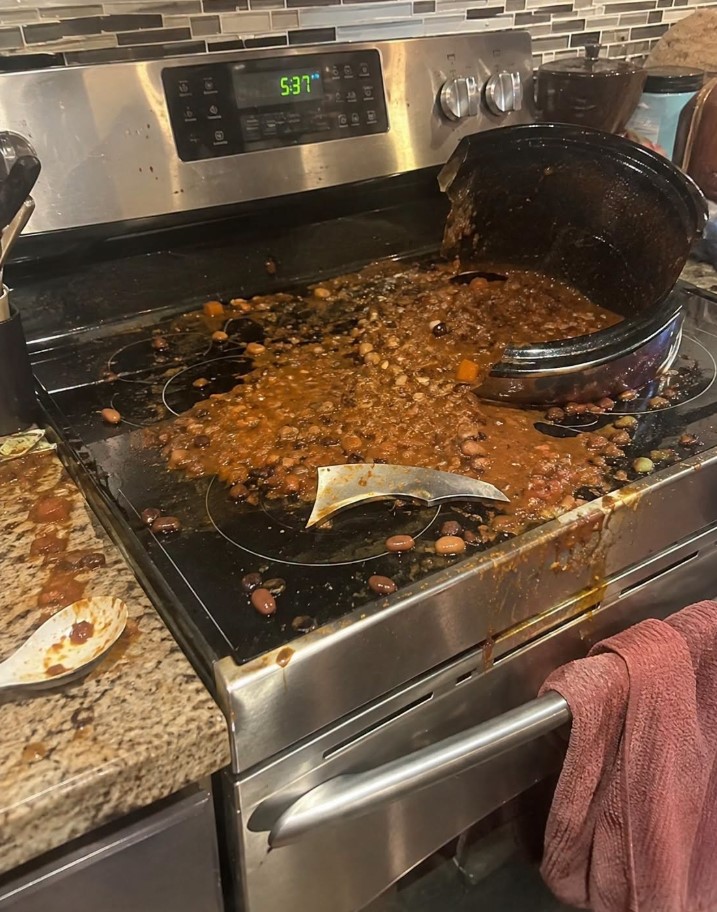
A slow cooker is one of the most convenient appliances in the kitchen. You simply add your ingredients, put on the lid, select the temperature, and let the appliance do the work while you take care of other things. It makes preparing soups, stews, roasts, and comforting family meals much easier.
But there is one common mistake that can damage your slow cooker and potentially create a dangerous situation: placing your Crockpot directly on the stovetop.
It might seem harmless. After all, the removable ceramic insert looks strong, and it is designed to withstand hours of heat. However, a slow cooker is not automatically suitable for use on a gas or electric burner. Its components are designed to work together in a particular way, and direct stovetop heat can create problems that many people do not expect.
Understanding why this happens can help protect your appliance, your kitchen, and everyone around you.
The Crockpot Has Two Separate Parts
Most traditional slow cookers consist of two main components:
- The inner crock: This is the removable ceramic or stoneware container that holds the food.
- The heating base: This is the electrical unit underneath the crock that supplies the heat needed for slow cooking.
These two parts are designed to work together. The crock sits inside the heating base, which provides controlled heat over an extended period.
A stovetop works differently. A gas flame or electric burner concentrates heat in a relatively small area directly beneath the cookware. This can create intense, uneven heating that an ordinary slow-cooker insert may not be designed to handle.
Even if the ceramic container looks sturdy, that does not mean it can safely be used over a direct flame or electric burner.
Direct Stovetop Heat Can Crack the Crock
One of the biggest concerns is something known as thermal shock.
Ceramic and stoneware cookware can be sensitive to sudden or uneven temperature changes. When one part of a ceramic container becomes much hotter than another, the material expands unevenly. This stress can cause cracks or, in some circumstances, breakage.
For example, imagine taking a cool slow-cooker insert and placing it directly over a hot burner. The bottom may heat much faster than the sides, creating a significant temperature difference throughout the vessel.
The risk can be greater if the crock is cold, damp, already damaged, or exposed to a sudden temperature change.
A cracked insert is more than an inconvenience. Hot soup, sauce, or cooking liquid could leak out, creating a mess and potentially causing burns. If the container breaks while it is being handled, the situation could become even more dangerous.
For this reason, never assume that a ceramic slow-cooker insert can tolerate direct stovetop heat simply because it can withstand long cooking periods inside its appliance.
The Heating Base Is Not Cookware
Another important mistake is confusing the removable crock with the electrical heating base.
The heating base contains the electrical components responsible for operating the slow cooker. It is designed to sit on a suitable countertop and receive electricity through its power cord.
It is not a cooking pot and should never be placed on a stovetop burner.
Direct exposure to a flame or hot electric element can damage the housing and electrical components. Heat can also affect the cord or other parts of the appliance, increasing the risk of malfunction.
You should never try to cook food directly inside the electrical base, either. The food belongs in the removable cooking vessel, and the appliance should only be operated according to its manufacturer’s instructions.
A Crockpot Is Designed for Gentle, Controlled Heating
A slow cooker is different from an ordinary saucepan or stockpot.
A traditional stovetop pot is designed to receive direct heat from a burner. A slow cooker, on the other hand, uses an electrical heating system designed to maintain relatively low, controlled temperatures over several hours.
This difference is important because slow cooking depends on gradual heating. It allows ingredients to cook slowly, helping tougher cuts of meat become tender and giving flavors time to develop.
Placing a regular slow-cooker insert over a burner changes the way heat reaches the food. Instead of the intended heating method, the bottom may become much hotter than the rest of the vessel.
This can lead to uneven cooking, scorching, sticking, or damage to the insert.
Why Browning Meat in the Crockpot Can Be a Problem
Many slow-cooker recipes recommend browning meat before adding it to the appliance. Browning can improve flavor and create a richer base for soups, stews, and sauces.
However, this step sometimes encourages people to use the removable crock on the stovetop to save time and avoid washing another pan.
That shortcut is not safe unless the manufacturer specifically states that the particular insert is suitable for stovetop use.
For most standard slow cookers, the safer method is simple:
- Heat a little oil in a regular frying pan or skillet.
- Brown the meat in batches if necessary.
- Sauté onions, garlic, or other vegetables in the same pan if the recipe calls for it.
- Transfer the browned ingredients into the slow-cooker insert.
- Add the remaining ingredients and continue following the recipe.
Using a separate pan takes a little extra effort, but it protects your slow cooker and gives you better control over the browning process.
What About Slow-Cooker Inserts That Are Oven-Safe?
This is where some confusion comes from.
Certain removable slow-cooker inserts are designed to be safe in a conventional oven or microwave, provided the manufacturer gives permission and specifies the temperature limits.
But oven-safe does not automatically mean stovetop-safe.
An oven generally surrounds cookware with hot air, while a stovetop burner delivers concentrated heat directly to the bottom. These are very different heating conditions.
For example, Crock-Pot’s official guidance for many of its removable stoneware inserts says they are suitable for oven use up to the stated limit and microwave use, but not for gas or electric burners.
Some specialized models from other product lines may have different instructions. That is why checking the manual for your exact appliance is essential.
Never rely on the appearance of the insert or assume that permission for oven use also covers stovetop cooking.
How to Protect Your Slow Cooker
Taking care of a slow cooker is relatively easy. A few simple habits can help extend its life and reduce the risk of accidents.
1. Always use the correct heating base.
Place the removable crock inside its matching electrical base whenever you use the appliance. Do not substitute a stovetop burner for the heating system.
2. Avoid sudden temperature changes.
Ceramic and stoneware can be sensitive to thermal shock. Avoid moving a hot insert directly into cold water or placing a cold insert into a preheated appliance unless the manufacturer specifically permits it.
3. Check the insert before cooking.
Look for visible cracks, chips, or other damage. If the ceramic is damaged, stop using it and check the manufacturer’s advice about replacement.
4. Use a separate pan for browning.
When a recipe calls for searing meat or sautéing vegetables, use a regular skillet unless your slow cooker’s manual explicitly permits another method.
5. Follow the manufacturer’s instructions.
Different slow cookers can have different features and temperature limits. The owner’s manual is the best source of information about what your particular model can safely handle.
6. Keep the electrical base dry.
Unplug the appliance before cleaning. Never immerse the heating base, power cord, or plug in water.
7. Give the appliance enough space.
Place the slow cooker on a stable, heat-resistant surface with the clearance recommended in its manual. Keep it away from curtains, paper towels, and other materials that could be affected by heat.
What Should You Do If You Accidentally Put Your Crockpot on the Stovetop?
If you realize that you have placed your slow-cooker insert on a burner, turn off the heat immediately if it is safe to do so.
Do not touch the hot ceramic with bare hands or pour cold water over it to cool it quickly. Sudden temperature changes can make cracking worse.
Allow the insert to cool naturally in a safe location. Once it is completely cool, inspect it carefully for cracks, chips, or other signs of damage.
If you notice any damage, do not use it again. If you are unsure whether the insert has been affected, contact the manufacturer before cooking with it.
If the electrical heating base was exposed to direct burner heat, do not plug it in or attempt to use it. Have the appliance assessed or replaced as appropriate.
Frequently Asked Questions
Can I put my Crockpot ceramic insert directly on a gas stove?
Most standard slow-cooker inserts are not designed for direct gas-flame heat. Only do so if the manufacturer’s instructions for your exact model explicitly allow it.
Can I put a Crockpot insert on an electric stovetop?
The same caution applies. Ordinary removable stoneware is generally not suitable for direct electric-burner heat. Check your owner’s manual before attempting it.
If my Crockpot insert is oven-safe, does that mean it is stovetop-safe?
No. Oven-safe and stovetop-safe are different ratings. An insert may be suitable for a conventional oven but unsuitable for direct burner heat.
Can I brown meat directly in my slow cooker?
Many standard slow cookers are not designed to sear meat. Use a separate skillet unless your particular appliance has a manufacturer-approved browning feature.
Can a cracked slow-cooker insert still be used?
No. A cracked or chipped insert may fail when heated or moved, potentially spilling hot food. Replace damaged stoneware rather than taking the risk.
Conclusion :
A slow cooker is designed to make everyday cooking easier, but using it incorrectly can turn a convenient kitchen appliance into a potential safety hazard. One of the most important things to remember is that a regular Crockpot is not the same as a saucepan or stockpot. Its removable ceramic insert and electrical heating base are designed for a specific cooking method, and direct stovetop heat can cause damage that may not be immediately visible.
The biggest concern is thermal shock. When ceramic stoneware is exposed to intense or uneven heat, it can develop cracks or break. A damaged insert may leak hot food, create a burn hazard, and leave you with an appliance that needs replacing. The electrical heating base presents a separate concern because it contains components that are not designed to withstand direct burner heat.
Fortunately, avoiding this mistake is easy. Use a separate skillet when you need to brown meat or sauté vegetables, transfer the ingredients into the slow cooker, and let the appliance do what it was designed to do. Always check the manufacturer’s instructions before using the removable insert in an oven, microwave, or any other cooking appliance.
It is also worth remembering that not all slow cookers are identical. Some specialized models may have different approved uses, but you should never assume that a feature on one model applies to another.
A few extra minutes spent using the right cookware can protect your appliance, prevent unnecessary accidents, and help keep your kitchen running smoothly. When it comes to your Crockpot, the safest approach is simple: follow the instructions, avoid direct stovetop heat unless the manufacturer specifically approves it, and enjoy the convenience of slow cooking without taking unnecessary risks.