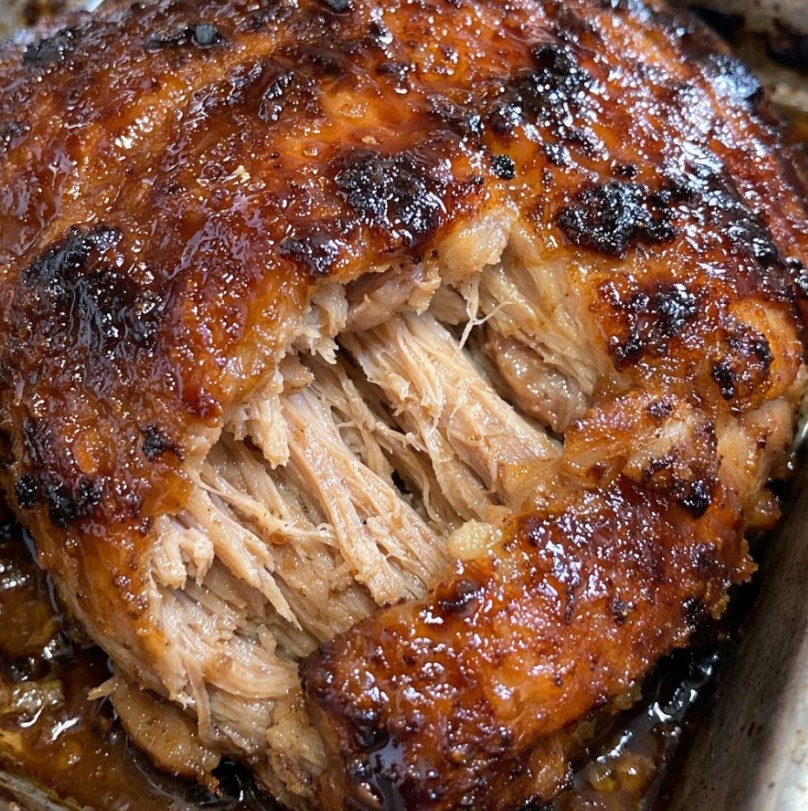
Some of the best family meals are the ones that require very little effort yet deliver incredible flavor. This three-ingredient slow-roasted pork recipe is a perfect example. With only a handful of pantry staples and a few minutes of preparation, you can create a tender, juicy roast that practically falls apart with a fork. It’s the kind of comforting meal that fills your home with an irresistible aroma while you relax, spend time with family, or tackle other tasks throughout the day.
Whether you’re planning a long holiday weekend, preparing Sunday dinner, or simply looking for an easy meal that cooks itself, this recipe is a dependable favorite. The pork slowly roasts until it’s incredibly moist, while the simple seasoning develops into a rich, caramelized crust that’s packed with savory goodness.
Despite its simplicity, this recipe tastes like it took hours of careful preparation. Serve it with mashed potatoes, roasted vegetables, fresh bread, or your favorite salad, and you’ll have a hearty homemade dinner that’s sure to satisfy everyone around the table.
If you love recipes that are budget-friendly, beginner-friendly, and guaranteed to impress, this classic three-ingredient roast deserves a permanent place in your collection.
Why You’ll Love This Recipe
There are countless reasons why this recipe has become a favorite in so many households.
- Only three main ingredients
- Minimal preparation time
- Perfect for busy weekends
- Rich, savory flavor
- Tender, pull-apart meat
- Great for feeding a crowd
- Wonderful leftovers
- Budget-friendly
- Beginner-friendly
- Perfect for meal prep
Sometimes the simplest recipes truly produce the most memorable meals.
Ingredients
- 1 boneless pork shoulder or pork butt roast (4–6 pounds)
- 1 packet dry onion soup mix
- 1 can (10.5 ounces) condensed cream of mushroom soup
Optional Additions
Although the classic version uses only three ingredients, you can personalize it with:
- Garlic cloves
- Black pepper
- Smoked paprika
- Fresh rosemary
- Thyme
- Worcestershire sauce
- Dijon mustard
- Baby potatoes
- Carrots
- Celery
- Sweet onions
These additions are optional but can add even more depth of flavor.
Kitchen Equipment
You’ll need:
- Large roasting pan or Dutch oven
- Aluminum foil or lid
- Measuring spoon
- Mixing bowl
- Meat thermometer
- Two forks for shredding
- Sharp carving knife
Step 1: Prepare the Oven
Preheat your oven to 300°F (150°C).
A low cooking temperature allows the connective tissues inside the pork to slowly break down, producing exceptionally tender meat.
Step 2: Prepare the Pork
Pat the pork roast dry using paper towels.
Drying the surface helps the seasoning adhere more evenly and encourages better browning.
Trim only excessive fat if necessary, leaving enough to keep the roast moist during cooking.
Step 3: Make the Sauce
In a small bowl, combine:
- Condensed cream of mushroom soup
- Dry onion soup mix
Stir until well blended.
The mixture will be thick, but it will loosen as the pork releases its natural juices during cooking.
Step 4: Coat the Roast
Place the pork into the roasting pan.
Spread the soup mixture evenly over the entire surface of the roast.
Cover every side to ensure maximum flavor.
Step 5: Cover and Roast
Cover the pan tightly with a lid or aluminum foil.
Bake for approximately 5 to 6 hours, depending on the size of the roast.
Avoid opening the oven frequently, as doing so releases valuable heat and moisture.
The pork is ready when it reaches an internal temperature of approximately 195–205°F, making it tender enough to shred easily.
Step 6: Uncover for a Beautiful Finish
During the final 20–30 minutes of cooking, remove the foil.
This allows the outside to develop a rich, caramelized crust while concentrating the flavors.
The top should become beautifully browned and slightly crisp.
Step 7: Rest Before Serving
Remove the roast from the oven.
Allow it to rest for about 15–20 minutes.
Resting helps the juices redistribute throughout the meat, making every bite moist and flavorful.
Step 8: Slice or Shred
Depending on your preference, either:
- Slice the roast into thick portions, or
- Use two forks to shred the meat into tender strands.
Mix some of the cooking juices back into the shredded pork for even more flavor.
Tips for the Best Roast
Choose Pork Shoulder
Pork shoulder contains enough marbling to stay juicy throughout the long cooking time.
Avoid lean cuts like pork loin for this recipe.
Cook Low and Slow
Patience is the secret ingredient.
Lower temperatures create incredibly tender meat without drying it out.
Don’t Rush the Resting Time
Allowing the meat to rest improves both texture and flavor.
Save Every Drop of the Juices
The flavorful cooking liquid makes an excellent sauce for serving over mashed potatoes or rice.
Let the Crust Develop
Removing the cover near the end creates a rich, slightly crispy exterior that adds wonderful texture.
Delicious Variations
Garlic Herb Roast
Add several garlic cloves and fresh rosemary before roasting.
BBQ Pulled Pork
After shredding, stir in your favorite barbecue sauce.
Serve on toasted buns with coleslaw.
Mexican Style
Season with cumin, chili powder, paprika, and oregano.
Use the shredded pork for tacos, burritos, or nachos.
Italian Style
Add Italian seasoning and serve over buttered noodles or creamy polenta.
Mushroom Lovers Version
Add fresh sliced mushrooms around the roast during the last two hours of cooking.
They absorb all the delicious juices.
Serving Suggestions
This slow-roasted pork is incredibly versatile and pairs well with a wide variety of side dishes. Whether you’re serving a casual family dinner or hosting guests during a holiday weekend, this recipe fits beautifully into almost any menu.
Serve it with:
- Creamy mashed potatoes
- Buttered egg noodles
- Roasted carrots
- Green beans
- Steamed broccoli
- Corn on the cob
- Macaroni and cheese
- Rice or wild rice
- Homemade dinner rolls
- Fresh garden salad
- Coleslaw
- Baked beans
The shredded pork also makes fantastic sandwiches. Simply pile it onto toasted buns with barbecue sauce and crunchy coleslaw for an easy second meal.
You can even use leftovers in tacos, burritos, quesadillas, baked potatoes, pasta dishes, or breakfast hash.
Storage Instructions
This recipe stores beautifully, making it an excellent choice for meal prepping.
Allow the pork to cool completely before storing.
Transfer the meat and some of its cooking juices into an airtight container.
Refrigerate for up to 4 days.
For longer storage, freeze individual portions for up to 3 months.
Keeping a little of the cooking liquid with the pork helps maintain its moisture during reheating.
Reheating Instructions
Oven
Place the pork in a baking dish with a few spoonfuls of the cooking juices.
Cover with foil and bake at 325°F (165°C) for about 20 minutes or until heated through.
Slow Cooker
Add the leftover pork and a small amount of broth or cooking juices.
Heat on LOW for 1 to 2 hours.
Stovetop
Warm the pork in a skillet over medium-low heat with a splash of broth or water.
Stir occasionally until thoroughly heated.
Microwave
Place a serving in a microwave-safe dish.
Cover loosely and heat in 30-second intervals, stirring between each interval to ensure even warming.
Common Mistakes to Avoid
Even a simple three-ingredient recipe can be improved by avoiding a few common mistakes.
Using the Wrong Cut of Meat
Pork shoulder or pork butt works best because of its marbling.
Leaner cuts, such as pork loin, can become dry during long cooking.
Cooking at Too High a Temperature
High heat causes moisture to escape too quickly.
Low and slow cooking is what creates the melt-in-your-mouth texture.
Skipping the Resting Period
Resting allows the juices to redistribute throughout the roast.
Cutting into it immediately may result in drier meat.
Forgetting the Internal Temperature
For perfectly shreddable pork, aim for an internal temperature of 195°F to 205°F.
This is when the connective tissues have fully broken down.
Throwing Away the Pan Juices
The flavorful cooking liquid is one of the best parts of this recipe.
Use it as a natural gravy or stir it back into the shredded pork for extra richness.
Delicious Variations
Once you’ve mastered the original recipe, try one of these flavorful twists.
Honey Garlic Pork
Mix a few tablespoons of honey with minced garlic before spreading it over the roast.
Apple Cider Version
Pour a cup of apple cider around the roast before baking for subtle sweetness.
Smoky BBQ Style
Brush the roast with your favorite barbecue sauce during the last 30 minutes of cooking.
Herb and Garlic Roast
Add rosemary, thyme, parsley, and whole garlic cloves for a fragrant herb-infused dinner.
Spicy Southwest Version
Season with chili powder, smoked paprika, cumin, garlic powder, and cayenne pepper.
Serve in tacos or burrito bowls.
Mushroom and Onion Roast
Add sliced mushrooms and onions around the pork during the final few hours of cooking for an easy one-pan meal.
Frequently Asked Questions
Can I make this recipe in a slow cooker?
Yes. Place the pork in your slow cooker, spread the soup mixture over the top, and cook on LOW for 8 to 10 hours or HIGH for 5 to 6 hours until fork tender.
Can I prepare it the night before?
Absolutely.
Assemble everything in the roasting pan, cover tightly, and refrigerate overnight.
Simply place it in the oven the following day.
Can I use pork loin?
You can, but pork shoulder is highly recommended because it remains much juicier during long cooking.
How do I know when it’s done?
The meat should easily pull apart with two forks.
Using a meat thermometer, the internal temperature should reach approximately 195°F to 205°F.
Can I freeze leftovers?
Yes.
Shredded pork freezes extremely well for up to three months.
Store it together with some cooking juices for the best results after reheating.
What can I do with leftover pork?
There are countless delicious options:
- Pulled pork sandwiches
- Tacos
- Nachos
- Burritos
- Pizza topping
- Pasta dishes
- Fried rice
- Loaded baked potatoes
- Breakfast hash
- Soup
Nutritional Highlights
While this recipe is wonderfully comforting, it also provides several valuable nutrients.
Pork shoulder is an excellent source of:
- High-quality protein
- Iron
- Zinc
- Selenium
- Vitamin B12
- Niacin
The long, slow cooking process helps keep the meat tender without requiring excessive added fats, while the onion soup mix and cream of mushroom soup create a rich, savory sauce using just a few simple ingredients.
Pairing the pork with roasted vegetables or a fresh salad creates a balanced, satisfying meal suitable for both weeknight dinners and special family gatherings.
Conclusion :
There is something incredibly satisfying about preparing a meal that requires only a few ingredients yet tastes like it came from a favorite family restaurant. This three-ingredient pork roast proves that delicious home cooking doesn’t have to be complicated. With minimal preparation and plenty of hands-off cooking time, it delivers tender, juicy meat and deep, comforting flavors that everyone at the table will appreciate.
One of the biggest reasons this recipe has become a household favorite is its simplicity. Busy days don’t always leave time for elaborate meals, but this recipe allows you to place everything in the oven and let time do the work. As the pork slowly roasts, it becomes incredibly tender while filling the kitchen with an irresistible aroma that builds anticipation long before dinner is served.
Another advantage is its versatility. Whether you prefer serving thick slices with mashed potatoes and vegetables or shredding the meat for sandwiches, tacos, wraps, or rice bowls, the possibilities are nearly endless. The leftovers are just as flavorful the next day, making this recipe an excellent investment for meal planning and reducing food waste.
Because it relies on only three primary ingredients, this dish is also economical without sacrificing taste. It’s proof that simple pantry staples can create a comforting, restaurant-quality meal when combined with patience and slow cooking. Even beginner cooks can achieve impressive results by following a few easy steps.
Whether you’re preparing a relaxed holiday weekend dinner, hosting family for Sunday supper, or simply looking for a dependable recipe that never disappoints, this slow-roasted pork is sure to become one of those trusted classics you’ll return to again and again. Tender, flavorful, comforting, and wonderfully effortless, it’s the kind of timeless recipe that brings people together around the dinner table and creates lasting memories with every delicious bite.