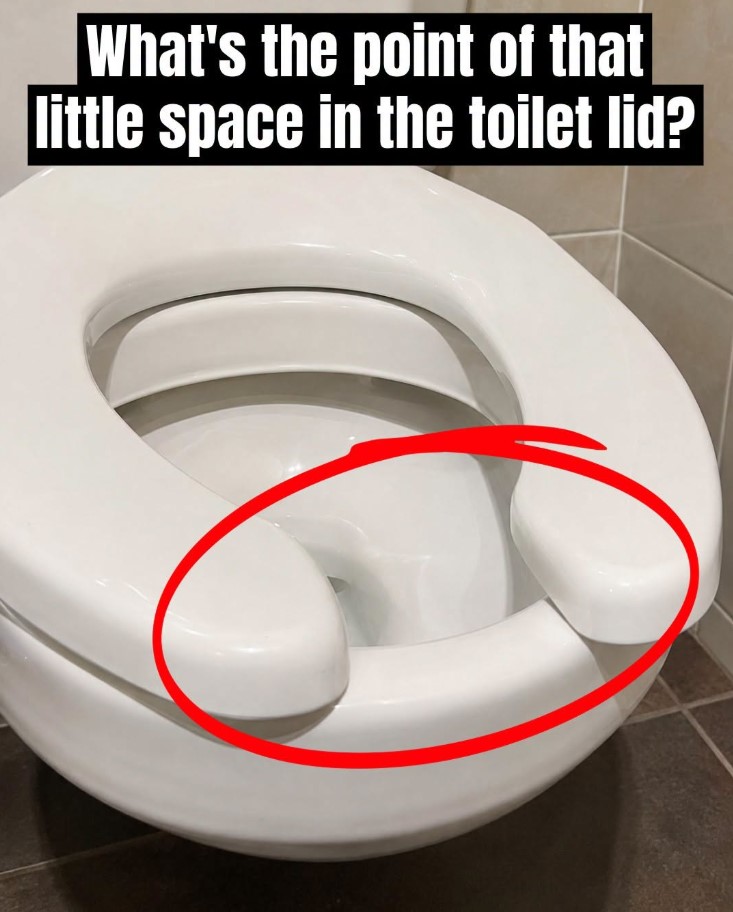
Have you ever walked into a public restroom and noticed that the toilet seat looks different from the one you have at home? Instead of being a complete oval, many public toilet seats have an open-front or U-shaped design with a noticeable gap at the front. While it may seem like an unusual design choice, that small opening actually serves several important purposes related to hygiene, comfort, accessibility, and maintenance.
This distinctive shape has been used in public facilities for decades and isn’t just a random style preference. Let’s explore why so many public restrooms use U-shaped toilet seats and how this simple design improves the experience for everyone.
A Design Focused on Better Hygiene
One of the primary reasons for the open-front toilet seat is improved sanitation. Public restrooms receive heavy daily traffic, making cleanliness a constant challenge. The gap at the front reduces the amount of surface that comes into contact with users, helping minimize the spread of bacteria and germs.
The opening also makes it easier for people to avoid touching the seat with their bodies unnecessarily. Since fewer areas come into direct contact with users, keeping the seat sanitary becomes much simpler.
In environments where hundreds or even thousands of people use the same restroom every day, every small improvement in hygiene can make a significant difference.
Easier to Clean and Maintain
Anyone responsible for maintaining public restrooms knows that efficiency matters. Cleaning crews often have limited time to sanitize large numbers of toilets throughout the day.
The U-shaped design offers several maintenance advantages:
- Fewer surfaces that require detailed cleaning.
- Easier access to the front area of the bowl.
- Faster wiping and disinfecting.
- Reduced buildup of dirt and moisture around the seat.
Because janitorial staff can clean these seats more quickly, restrooms are easier to keep in good condition even during busy periods.
Helps Reduce Accidental Contact
Another practical benefit is that the open-front design provides extra space, reducing the likelihood of accidental contact between the user’s body and the toilet seat.
This added clearance can make using the toilet feel more comfortable, especially in public settings where people naturally prefer to avoid touching shared surfaces whenever possible.
Although this feature may seem minor, it contributes to a more hygienic experience for many users.
Supports Better Accessibility
Open-front toilet seats can also improve accessibility for individuals with certain mobility challenges or medical conditions.
The design provides additional room that may make personal hygiene easier for some users and can better accommodate various assistive techniques. While accessibility depends on many restroom features, the shape of the seat can be one small factor that improves usability.
Many public facilities aim to create restrooms that serve the widest possible range of people comfortably and safely.
Reduces Wear and Tear
Public restroom fixtures experience far more use than residential bathrooms. Because of this, durability is extremely important.
The U-shaped design places slightly less material in areas that often experience heavy pressure and repeated contact. Combined with commercial-grade materials, these seats are designed to withstand years of continuous use while remaining easy to replace if necessary.
Recommended by Building Standards
Many commercial buildings, schools, restaurants, airports, hospitals, and office complexes install open-front toilet seats because they align with plumbing and building recommendations commonly followed in public facilities.
The design has become a standard choice in commercial restrooms because it balances hygiene, maintenance, and user comfort effectively.
Although regulations vary by location, open-front seats have long been recognized as a practical option for high-traffic environments.
A More Practical Choice for Busy Restrooms
When designing public restrooms, architects and facility managers consider many factors, including:
- Hygiene
- Ease of maintenance
- User comfort
- Durability
- Cost-effectiveness
- Accessibility
The U-shaped seat successfully addresses many of these priorities with one simple design change.
While homeowners often prefer fully enclosed toilet seats for appearance and comfort, commercial facilities usually prioritize function over style.
Common Misconceptions
Some people believe the gap exists to save manufacturing costs or because it’s an outdated design. In reality, the opening serves multiple practical purposes that have been recognized for decades.
It’s not simply about using less material—it’s about creating a seat that’s easier to clean, more sanitary, and better suited for heavy public use.
Why You Rarely See Them at Home
Residential bathrooms typically serve only a few family members, so concerns about heavy traffic and rapid cleaning are much less significant.
Homeowners often choose closed-front seats because they provide a more traditional appearance and may feel slightly more comfortable for everyday use.
In contrast, public restrooms must prioritize efficiency and hygiene for hundreds of different users, making the U-shaped design the more practical solution.
Conclusion :
The next time you step into a public restroom and notice a U-shaped toilet seat, you’ll know that its unique design is far more than just a stylistic choice. What may appear to be a small gap at the front is actually the result of years of practical thinking aimed at improving hygiene, simplifying maintenance, increasing user comfort, and making public facilities more accessible. Every detail of these seats has been carefully considered to meet the demands of high-traffic environments where cleanliness, durability, and efficiency are essential.
Public restrooms are used by countless people every day, which means even the smallest design improvements can have a significant impact. By reducing unnecessary contact, making cleaning quicker and more effective, and providing additional convenience for a wide range of users, the open-front toilet seat helps create a cleaner and more pleasant restroom experience. It’s a simple innovation that saves time for maintenance staff while contributing to better public health standards.
Although most people rarely give much thought to the design of a toilet seat, it’s a great example of how everyday objects are often engineered with specific purposes in mind. The U-shaped seat demonstrates that practical solutions don’t have to be complicated—they simply need to address real-world challenges effectively. Whether you’re at an airport, shopping mall, school, office building, restaurant, or hospital, this familiar feature is quietly doing its job every single day.
In the end, the U-shaped toilet seat reminds us that good design is often invisible. Its benefits may not be obvious at first glance, but they make public restrooms cleaner, safer, easier to maintain, and more comfortable for millions of people around the world. So the next time you see one, you’ll appreciate that this seemingly small detail plays an important role in improving one of the most commonly used public spaces.