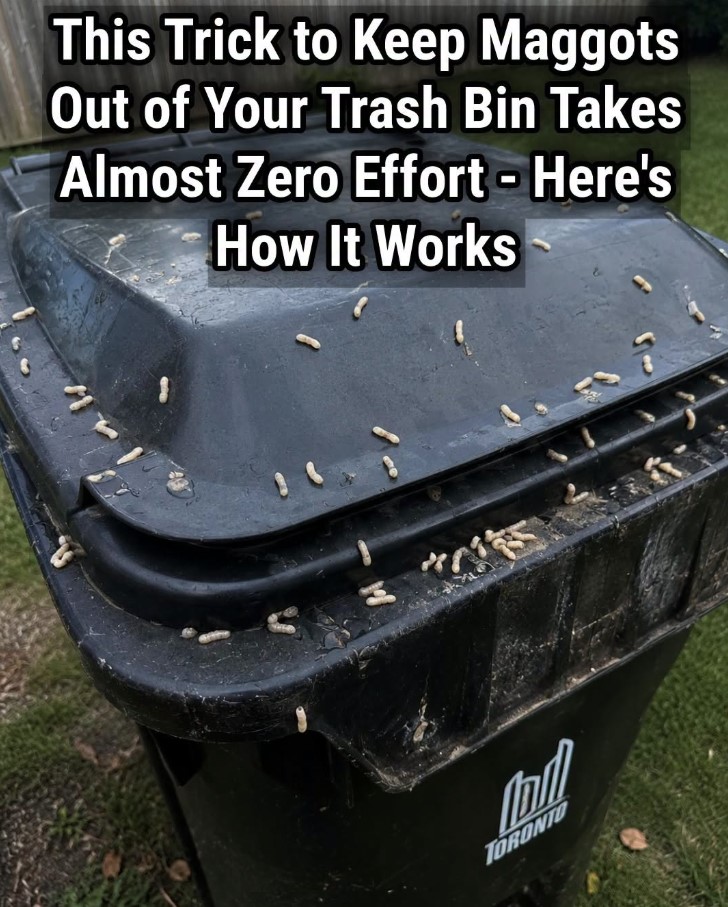
Few household problems are as unpleasant as opening your trash bin and discovering it crawling with maggots. These tiny larvae can appear seemingly overnight, especially during warm weather, turning an ordinary garbage can into an unpleasant sight and creating strong odors around your home. While maggots are not uncommon, they are certainly something most homeowners want to avoid.
The good news is that preventing maggots from taking over your trash bin is often easier than people think. With a few simple habits and regular maintenance, you can significantly reduce the chances of flies laying eggs in your garbage and keep your bins cleaner, fresher, and more hygienic throughout the year.
Understanding why maggots appear in the first place is the key to stopping them before they become a problem.
What Exactly Are Maggots?
Maggots are the larval stage of flies. Adult flies are attracted to food waste, pet waste, and other organic materials found in trash bins. Once they find a suitable location, they lay eggs that can hatch within a surprisingly short period of time.
Under warm conditions, the process happens quickly:
- Flies lay eggs.
- Eggs hatch into maggots.
- Maggots feed on organic waste.
- They eventually develop into adult flies.
Because the life cycle moves so rapidly, a small fly problem can quickly become a larger infestation if left unchecked.
Why Maggots Love Trash Bins
Garbage bins provide nearly everything flies need.
They offer:
- Food scraps
- Moisture
- Warm temperatures
- Protection from predators
- Dark hiding places
These conditions make trash cans an ideal breeding ground, particularly during spring and summer when temperatures rise.
Common Causes of Maggots in Garbage Cans
Several factors can increase the likelihood of finding maggots in your trash.
Some of the most common include:
- Exposed food waste
- Leaking garbage bags
- Meat scraps
- Pet waste
- Dirty bin surfaces
- Cracked lids
- Overflowing trash
Even a small amount of exposed organic material can attract flies.
Keep Your Bin Lid Closed
One of the simplest preventive measures is also one of the most effective.
Always make sure your trash bin lid remains tightly closed.
A secure lid helps:
- Block flies from entering.
- Reduce odors.
- Prevent rainwater from collecting inside.
- Keep pests away.
If your lid is damaged, replacing it may be worth the investment.
Double-Bag Food Waste
Food scraps are one of the biggest attractions for flies.
Consider double-bagging items such as:
- Meat trimmings
- Fish remains
- Poultry scraps
- Dairy products
- Leftovers
Sealing waste securely reduces odors and limits access for insects.
Wrap Strong-Smelling Foods
Certain foods attract flies more quickly than others.
Before placing them in the trash, wrap items securely.
Examples include:
- Seafood shells
- Raw meat packaging
- Fruit peels
- Food-soaked paper towels
An extra layer of protection can make a noticeable difference.
Clean Your Trash Bin Regularly
Many people focus on the garbage itself while overlooking the bin.
Even after trash is removed, residue can remain behind.
Regular cleaning helps eliminate:
- Food particles
- Liquids
- Odors
- Fly-attracting residue
A simple cleaning routine can dramatically reduce insect activity.
How to Deep Clean a Trash Bin
For a thorough cleaning:
- Empty the bin completely.
- Rinse with a garden hose.
- Scrub with hot water and dish soap.
- Use a disinfecting solution if desired.
- Rinse thoroughly.
- Allow the bin to dry completely before use.
A clean, dry bin is far less attractive to flies.
Use Natural Odor Control Methods
Reducing odors can help discourage flies from visiting your trash can.
Popular options include:
- Baking soda
- White vinegar
- Lemon peels
- Activated charcoal
These methods may help absorb unpleasant smells naturally.
Keep Moisture Under Control
Moisture encourages both flies and maggots.
To reduce dampness:
- Drain excess liquid from food scraps.
- Avoid throwing liquids directly into the bin.
- Use absorbent paper at the bottom.
- Repair any cracks that allow rainwater inside.
A dry environment is much less inviting to insects.
Freeze Food Waste Until Collection Day
Many homeowners use a surprisingly simple trick.
Instead of immediately throwing away meat or seafood scraps, place them in a sealed container or bag and store them in the freezer until trash day.
This approach:
- Prevents odors.
- Stops fly activity.
- Reduces bacterial growth.
It’s especially useful during hot summer months.
Sprinkle a Natural Deterrent
Some people use natural products to discourage pests.
Common choices include:
- Baking soda
- Diatomaceous earth
- Salt
These materials may help create conditions that are less favorable for insects.
What to Do If Maggots Already Appear
If maggots have already invaded your trash bin, quick action can help eliminate them.
Start by:
- Emptying the bin.
- Washing the interior thoroughly.
- Removing all food residue.
- Sanitizing surfaces.
- Allowing the bin to dry completely.
The sooner the breeding environment is removed, the faster the problem can be resolved.
Maintaining a Cleaner Outdoor Area
The area around your trash can also matters.
Keep the surrounding space:
- Free from spilled garbage.
- Clean and dry.
- Free from standing water.
- Properly maintained.
A clean environment helps reduce fly activity around your property.
Seasonal Prevention Tips
Warm weather creates ideal breeding conditions for flies.
During spring and summer:
- Clean bins more frequently.
- Inspect lids regularly.
- Take garbage out promptly.
- Store bins in shaded areas when possible.
Extra attention during hot months can prevent infestations before they begin.
Why Prevention Is Easier Than Treatment
Once flies have laid eggs, maggots can develop quickly.
Preventive measures are generally:
- Simpler
- Less expensive
- More effective
- More hygienic
A few minutes of maintenance each week can save a great deal of frustration later.
Conclusion :
Maggots in a trash bin may be unpleasant, but they are usually preventable with a few simple habits and regular maintenance. Since maggots originate from fly eggs laid on organic waste, the goal is to make your garbage can as unattractive to flies as possible. Keeping lids tightly closed, sealing food waste properly, controlling moisture, and cleaning bins regularly can dramatically reduce the chances of an infestation developing.
Good trash management not only helps prevent maggots but also minimizes odors, discourages pests, and creates a cleaner outdoor environment around your home. Small steps such as double-bagging food scraps, freezing meat waste until collection day, and washing garbage bins periodically can make a significant difference, especially during warmer months when flies are most active.
By understanding the conditions that attract flies and taking proactive measures to eliminate those conditions, you can keep your trash bin clean, sanitary, and free from unwanted visitors. A little prevention goes a long way, helping you avoid one of the most common and unpleasant household nuisances while maintaining a healthier and more comfortable home environment.