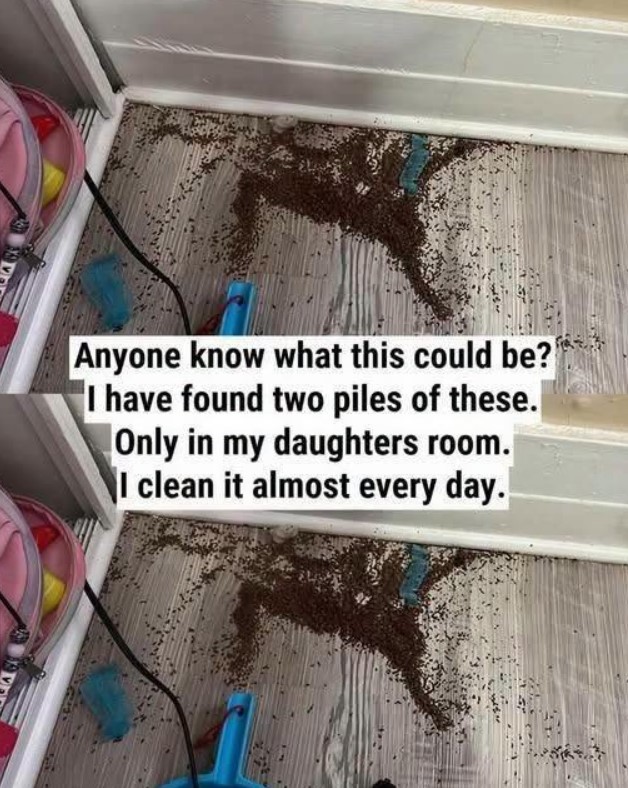
Finding mysterious piles of tiny dark pellets on your floor can be alarming, especially when they keep reappearing despite regular cleaning. If you’ve discovered something similar in your child’s bedroom, your first thought might be that you have a serious pest problem. While it’s understandable to worry, these mysterious piles can have several possible explanations, and identifying the source is the first step toward solving the issue.
Whether the debris is caused by insects, rodents, deteriorating building materials, or something much less concerning, taking a closer look at the location, size, shape, and frequency of the piles can provide valuable clues. Rather than guessing or immediately assuming the worst, a systematic approach can help you determine what’s happening and decide whether you can handle the problem yourself or if it’s time to call a professional.
This guide explores the most common causes of mysterious pellet-like piles inside a home, explains how to identify each possibility, and outlines practical steps you can take to protect your family and keep your home pest-free.
Why Do Small Piles Suddenly Appear Indoors?
Small piles of debris rarely appear without a reason. In many cases, they are produced by insects or rodents that remain hidden inside walls, ceilings, furniture, or flooring. Sometimes the material isn’t waste at all—it may be sawdust, insulation, seeds, or even crumbling building material that has fallen from above.
The key to solving the mystery is understanding exactly what you’re looking at. Pay attention to:
- The color of the material
- The size and shape of each piece
- Whether the piles return after cleaning
- Their location within the room
- Any nearby holes, cracks, or damaged wood
These details often point toward the source much faster than the piles themselves.
Common Causes of Mysterious Pellet Piles
1. Drywood Termite Droppings
One of the most common explanations is drywood termite frass. Unlike subterranean termites, drywood termites live inside wooden structures and push their waste out through tiny holes.
Their droppings are:
- Small and uniform
- Pellet-shaped
- Usually tan, brown, or black
- Found beneath wooden trim, windows, furniture, or baseboards
If the piles continue to appear in the same location after being cleaned, termites are a possibility worth investigating.
2. Carpenter Ant Debris
Carpenter ants don’t eat wood, but they tunnel through it to create nests.
Instead of pellet-shaped droppings, they leave behind:
- Sawdust-like material
- Tiny wood shavings
- Pieces of insect body parts
- Dirt and nesting debris
This material is often found beneath wall voids, door frames, or window trim.
3. Rodent Droppings
Mouse droppings are another possibility.
Typical characteristics include:
- Dark brown or black color
- Rice-shaped appearance
- Pointed ends
- Strong odor if fresh
Unlike termite pellets, rodent droppings are generally larger and may be scattered along walls or hidden behind furniture.
If you notice scratching sounds at night or signs of chewing, rodents become a more likely explanation.
4. Beetle Activity
Certain wood-boring beetles leave behind fine powder or tiny pellets as they tunnel through wood.
Signs include:
- Small exit holes
- Fine dust beneath furniture
- Damaged wooden trim
- Powder collecting over time
Although less common than termites, wood-boring beetles can also require treatment.
5. Falling Insulation or Building Material
Older homes sometimes develop crumbling insulation or deteriorating materials that fall through gaps around vents, electrical outlets, or ceiling fixtures.
Possible materials include:
- Cellulose insulation
- Foam particles
- Drywall dust
- Wood fragments
If the material feels soft or powdery rather than pellet-like, building materials may be responsible.
Could It Be Coming From the Ceiling?
Many homeowners immediately inspect the floor without checking above.
Look carefully at:
- Ceiling corners
- Air vents
- Smoke detectors
- Window frames
- Curtain rods
- Light fixtures
Sometimes insects create nests inside walls or ceilings, causing debris to fall into the same spot repeatedly.
Why Does It Only Appear in One Room?
If the piles only appear in your daughter’s room, there may be a localized source.
Possible reasons include:
- A pest nest inside one wall
- Moisture damage attracting insects
- A window frame with termite activity
- A nearby attic access point
- Hidden gaps in flooring
- Furniture made from untreated wood
Limiting the problem to one room often makes tracking down the source much easier.
How to Investigate Safely
Before touching the material, put on disposable gloves.
Then:
- Sweep the pile into a sealable plastic bag.
- Take several close-up photos.
- Measure the size of individual pellets.
- Check above the pile for tiny holes.
- Inspect nearby wood for damage.
- Look for insects or signs of movement.
Saving a sample can be helpful if you later consult a pest control professional.
Warning Signs You Shouldn’t Ignore
Consider arranging a professional inspection if you notice:
- New piles appearing every day
- Hollow-sounding wood
- Small holes in trim or furniture
- Bubbling paint
- Soft or crumbling wood
- Live insects
- Strange scratching noises
- Visible tunnels or mud tubes
Early treatment often prevents more expensive repairs later.
How to Prevent Future Problems
Even before identifying the exact cause, several preventive measures can reduce the chances of pests entering your home.
Reduce Moisture
Many insects thrive in damp environments.
- Repair plumbing leaks.
- Improve ventilation.
- Use a dehumidifier if needed.
Seal Entry Points
Inspect your home’s exterior for cracks around:
- Windows
- Doors
- Pipes
- Utility lines
- Foundation openings
Seal gaps with appropriate caulk or weatherproof materials.
Keep Rooms Clean
Regular vacuuming removes food sources and makes new debris easier to notice.
Pay special attention to:
- Under beds
- Behind furniture
- Closet corners
- Window sills
Inspect Wooden Structures
Look periodically for:
- Tiny holes
- Cracks
- Soft wood
- Sawdust
- Pellet piles
Routine inspections can catch problems before they spread.
Schedule Annual Pest Inspections
Professional inspections are especially worthwhile if you live in an area where termites or carpenter ants are common.
Frequently Asked Questions
Are these piles dangerous?
The material itself may not be dangerous, but the source could indicate a pest infestation or structural issue that should be addressed.
Should I throw the material away?
It’s helpful to save a small sample until you’ve identified what it is, especially if you plan to consult a pest expert.
Can I identify the source by color alone?
No. Color can vary depending on the insect, wood type, and age of the debris. Shape and location are usually more useful clues.
Do termites always leave visible droppings?
No. Some termite species remain hidden and don’t produce visible pellet piles, while drywood termites commonly push their frass out of tiny openings.
When should I call a professional?
If the piles continue to return after cleaning, you notice damage to wood, or you suspect termites or rodents, it’s best to have the area inspected by a qualified pest control professional.
Conclusion :
Finding mysterious piles of tiny pellets in your home can certainly be unsettling, especially when they keep appearing in the same location despite frequent cleaning. While it’s easy to jump to conclusions, these piles can have several different causes, ranging from termite droppings and carpenter ant debris to rodent activity or even harmless building materials. Taking the time to carefully inspect the area, document what you find, and look for additional signs can help narrow down the source and determine the most appropriate next steps.
The good news is that many household pest problems are much easier to manage when they’re discovered early. By checking nearby wood, sealing entry points, reducing excess moisture, and scheduling a professional inspection if the debris continues to appear, you can protect both your home and your family’s peace of mind. Even if the cause turns out to be something relatively minor, investigating it promptly can prevent larger problems from developing later. Staying observant and acting quickly is the best way to keep your home safe, clean, and comfortable.