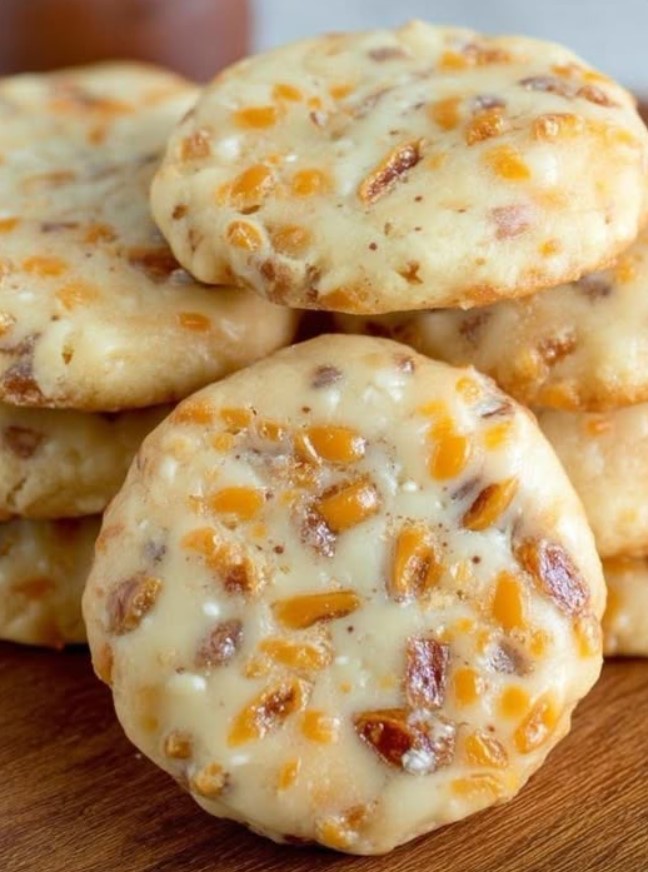
There is something wonderfully comforting about a good shortbread cookie. With its rich buttery flavor, delicate crumb, and lightly crisp edges, shortbread has a way of turning a simple cup of coffee or tea into a special little moment. Add the warm caramel-like flavor of butterscotch, and you have a cookie that feels both classic and indulgent.
These Butterscotch Shortbread Cookies combine the tender texture of traditional shortbread with brown sugar and plenty of butterscotch flavor. Shortbread is particularly appealing because it does not require complicated ingredients or elaborate techniques. The basic dough relies on a simple combination of butter, sugar, and flour, while the butterscotch additions give the finished cookies a deeper, sweeter character. Similar versions commonly use brown sugar and butterscotch chips to build that signature flavor.
The finished cookies are delicate enough to melt pleasantly in your mouth but sturdy enough to pack for a gathering, cookie exchange, afternoon snack, or homemade gift. They are also an excellent make-ahead treat because the dough can be prepared, chilled, and baked later.
Why You’ll Love These Butterscotch Shortbread Cookies
There are plenty of reasons to keep this recipe in your regular baking rotation.
Rich and buttery: Butter is the foundation of shortbread, giving every bite a luxurious flavor and tender texture.
Deep butterscotch taste: Brown sugar contributes warm caramel-like notes, while butterscotch chips add little pockets of sweetness throughout the cookies.
Simple ingredients: You do not need a long list of specialty ingredients to make something delicious.
Perfect texture: The cookies have lightly crisp edges with a tender, crumbly center.
Easy to prepare ahead: Shortbread dough can be chilled before baking, making it convenient when you want to divide the preparation over two days.
Wonderful for gifting: Once completely cooled, these cookies can be stacked in a tin or packaged in a decorative box for friends and family.
Ingredients :
For the Cookies
- 1 cup unsalted butter, softened to room temperature
- ¾ cup packed light or dark brown sugar
- 1 teaspoon pure vanilla extract
- 2 cups all-purpose flour
- ¼ teaspoon salt
- ¾ cup butterscotch chips, preferably finely chopped or mini-sized
- 1 tablespoon cornstarch, optional, for an especially tender texture
Optional Toppings
- Extra butterscotch chips
- A light sprinkle of flaky sea salt
- Melted semisweet or dark chocolate
- Finely chopped pecans or walnuts
- A dusting of powdered sugar
The exact balance of butter, sugar, and flour is especially important with shortbread because there are relatively few ingredients. Brown sugar can add both sweetness and a deeper flavor to the dough, while cornstarch is often used in shortbread recipes to help create a delicate texture.
How to Make Butterscotch Shortbread Cookies
1. Prepare the Baking Sheets
Begin by preheating your oven to 350°F (175°C). Line one or two baking sheets with parchment paper.
Using parchment makes cleanup easier and also helps prevent the delicate shortbread from sticking. If you do not have parchment, lightly grease the baking sheets instead.
Before starting the dough, make sure your butter has softened at room temperature. It should be soft enough to press easily with your finger but should not be melted.
2. Cream the Butter and Brown Sugar
Place the softened butter in a large mixing bowl. Add the packed brown sugar and beat together until the mixture is smooth, creamy, and well combined.
This usually takes a few minutes with an electric hand mixer or stand mixer.
Avoid beating the mixture excessively. Shortbread does not need to become as airy as a traditional cake batter. The goal is simply to combine the butter and sugar thoroughly while keeping the dough rich and tender.
Add the vanilla extract and mix briefly.
3. Combine the Dry Ingredients
In a separate bowl, whisk together the all-purpose flour, salt, and optional cornstarch.
Adding the dry ingredients separately helps distribute the salt and cornstarch evenly throughout the flour.
Gradually add the flour mixture to the butter mixture. Mix on low speed or stir by hand until the dough begins to come together.
Do not overmix. Once the flour disappears and the dough looks cohesive, stop mixing. Overworking shortbread dough can make the finished cookies less tender.
4. Add the Butterscotch
Gently fold the butterscotch chips into the dough.
If you are using regular-sized chips, chopping them into smaller pieces can make them easier to distribute throughout the dough. Smaller pieces also mean that you get butterscotch flavor in more bites.
For an even more intense flavor, reserve a small handful of the chips to press onto the tops of the cookies before baking.
5. Chill the Dough
Gather the dough together and shape it into a thick disk or log.
Wrap it tightly and refrigerate for approximately 1 hour, or until it is firm enough to handle easily.
Chilling is an important step because it firms up the butter. This helps the cookies maintain their shape in the oven instead of spreading too quickly.
If you want to prepare the cookies in advance, you can keep the wrapped dough refrigerated until you are ready to bake.
6. Shape the Cookies
There are several ways to shape these cookies.
For traditional round cookies, roll the chilled dough into a log approximately 2½ to 3 inches in diameter. Slice it into rounds about ¼ inch thick.
Alternatively, roll the dough on a lightly floured surface and use a cookie cutter to create decorative shapes.
For a rustic appearance, you can also form small portions of dough into balls and gently flatten them with the bottom of a glass.
Place the cookies on the prepared baking sheets, leaving about 1½ to 2 inches between them.
If desired, gently press a few additional butterscotch pieces onto the surface of each cookie.
7. Bake
Place the baking sheet in the preheated oven and bake for approximately 10–14 minutes, depending on the thickness of your cookies.
You are looking for cookies that appear set and have lightly golden edges. The centers may still look somewhat pale.
Do not wait for the entire cookie to become deeply brown. Shortbread continues to firm as it cools, and overbaking can turn an otherwise tender cookie too dry.
8. Cool Properly
Allow the cookies to rest on the baking sheet for about 5 minutes after removing them from the oven.
They will be quite delicate while hot, so moving them immediately can cause them to break.
After a few minutes, transfer them carefully to a wire rack and allow them to cool completely.
Once cooled, the cookies should have a lovely buttery crumb with a gentle crunch and rich butterscotch flavor.
Tips for Perfect Shortbread
Use softened butter, not melted butter. Melted butter can dramatically change the structure of the dough and make the cookies spread more than intended.
Measure flour carefully. Too much flour can make shortbread dry and crumbly. For the most consistent results, spoon flour into a measuring cup and level it rather than packing it down.
Do not overmix. Once the flour has been incorporated, stop mixing. Shortbread is supposed to be tender and crumbly.
Chill the dough. Refrigerating the dough makes it easier to slice or cut and helps the cookies hold their shape during baking.
Watch the edges. The cookies should generally be lightly golden around the edges rather than dark brown.
Let them cool. Freshly baked shortbread is fragile. Give the cookies several minutes to firm up before transferring them.
How to Add Even More Butterscotch Flavor
If you are a serious butterscotch lover, there are several ways to intensify the flavor.
One simple option is to add extra butterscotch chips to the dough. You can also finely chop some chips so their flavor is distributed more evenly.
Another delicious approach is to drizzle the cooled cookies with melted butterscotch chips. Allow the drizzle to set before serving.
For a more sophisticated combination, sprinkle a tiny amount of flaky sea salt over the melted butterscotch. The contrast between salty and sweet makes the caramel-like flavor stand out beautifully.
You can also add toasted pecans or walnuts. Their slightly earthy flavor works especially well with brown sugar and butterscotch.
Chocolate-Dipped Variation
For a more elegant dessert, dip half of each cooled cookie into melted dark or semisweet chocolate.
Place the dipped cookies on parchment paper and allow the chocolate to set completely.
The bitterness of dark chocolate balances the sweetness of butterscotch beautifully, making this version especially attractive for holiday trays or edible gifts. Chocolate-dipped variations of butterscotch shortbread are also commonly prepared for festive occasions.
Make-Ahead Instructions
One of the best things about shortbread is how convenient it is to prepare ahead.
Once the dough has been mixed, shape it into a log, wrap it tightly, and refrigerate it. When you are ready to bake, simply slice the chilled dough into rounds and arrange them on a baking sheet.
You can also freeze the shaped dough. Wrap it securely and place it in a freezer-safe container or bag. When you are ready to bake, allow the dough to soften slightly if necessary so that it can be sliced safely.
For the best results, label the package with the date and baking instructions so you can easily prepare the cookies later.
How to Store the Cookies
Once completely cooled, place the cookies in an airtight container.
Keep them at room temperature for several days, separating layers with parchment paper if necessary. Proper storage helps preserve their buttery texture and prevents them from absorbing moisture from the surrounding environment.
If you are preparing them for gifting, allow the cookies to cool completely before packaging them. Packing warm cookies can create condensation inside the container, which can soften the shortbread.
You can also freeze baked cookies in a well-sealed freezer container. Thaw them at room temperature before serving.
Delicious Ways to Serve Them
These cookies are versatile enough for almost any occasion.
Serve them alongside:
- Coffee or espresso
- Black or herbal tea
- Hot chocolate
- Vanilla ice cream
- Caramel or butterscotch sauce
- Fresh berries
- A scoop of whipped cream
They also make an attractive addition to a holiday cookie platter. Arrange them alongside chocolate cookies, gingerbread, sugar cookies, or other buttery treats for a colorful dessert assortment.
For a simple afternoon snack, place a few cookies on a small plate with a hot cup of tea. Their crisp, buttery texture makes them particularly satisfying with a warm drink.
Frequently Asked Questions
Can I use salted butter?
Yes. If salted butter is what you have available, you can use it, but reduce or omit the additional salt in the recipe.
Can I use dark brown sugar?
Absolutely. Dark brown sugar will give the cookies a deeper, more pronounced caramel-like flavor. Light brown sugar creates a somewhat milder flavor.
Why did my shortbread spread?
The most common causes are butter that was too warm, insufficient chilling, or a dough that was overly soft. Chilling the shaped dough before baking can help considerably.
Why are my cookies crumbly?
Shortbread is naturally crumbly, but cookies that fall apart excessively may contain too much flour or may have been overbaked. Make sure your flour is measured accurately and remove the cookies from the oven once the edges are lightly golden.
Can I add nuts?
Yes. Finely chopped pecans or walnuts are excellent additions. Toasting them first can give the cookies even more flavor.
Can I use butterscotch chips and toffee bits together?
Definitely. The combination gives the cookies both creamy butterscotch flavor and little crunchy caramelized pieces.
Conclusion :
These Butterscotch Shortbread Cookies are proof that an uncomplicated recipe can produce an exceptionally delicious treat. With a buttery shortbread base, rich brown sugar flavor, and sweet butterscotch pieces throughout, every cookie offers a satisfying combination of crispness, tenderness, and caramel-like sweetness.
What makes this recipe especially appealing is its versatility. You can keep the cookies simple and elegant, add chopped pecans for extra texture, sprinkle them with sea salt for a sweet-and-salty finish, or dip them in chocolate when you want something a little more indulgent. The dough can also be prepared ahead of time, making these cookies convenient for busy baking days and holiday preparations.
Whether you make a batch for a family gathering, package them as a homemade gift, or simply keep a tin on the kitchen counter for afternoon treats, these cookies are sure to disappear quickly. The combination of buttery shortbread and warm butterscotch is timeless, comforting, and incredibly difficult to resist.
Sometimes the best desserts are the ones that do not need to be complicated—and these golden little cookies are a perfect example.