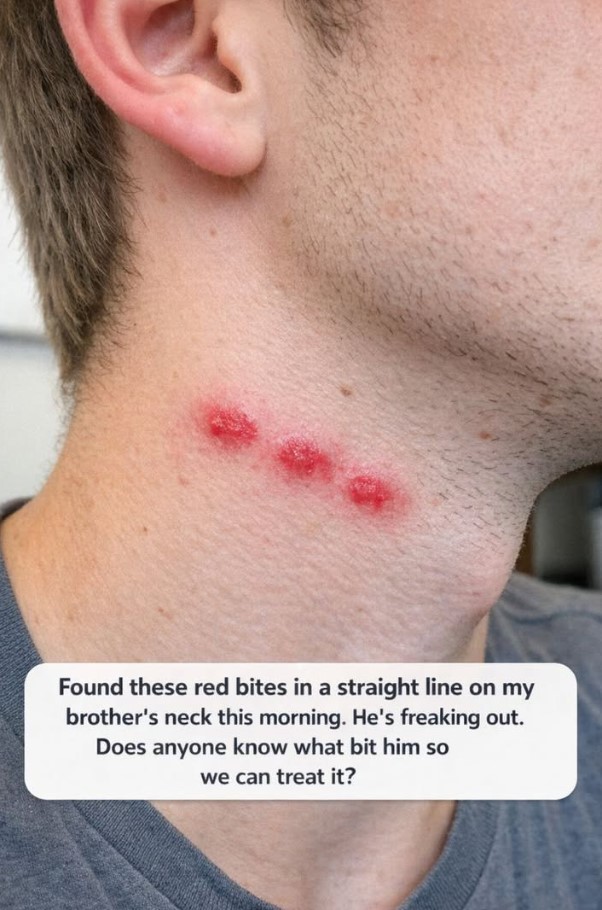
Discovering several red, itchy bumps lined up neatly across your skin can be unsettling. It’s even more alarming when the bites appear overnight, especially on exposed areas like the neck, arms, shoulders, or face. Many people immediately wonder if they were bitten by a spider, mosquito, or something more serious.
While it’s impossible to identify the exact culprit based on appearance alone, the pattern of the bites can offer valuable clues. A straight line or cluster of several bites often points toward certain insects that feed multiple times while moving across the skin. Understanding these patterns can help you decide whether simple home care is enough or whether you should inspect your home for pests or seek medical advice.
Let’s explore the most common causes of bite patterns that appear in a line, how to recognize them, and what steps you can take to relieve discomfort and prevent future bites.
Why Do Some Bug Bites Appear in a Straight Line?
Not every insect bites only once.
Some insects feed repeatedly while crawling across exposed skin, creating several bites close together. This can produce a row or zigzag pattern that many people notice after waking up.
The location of the bites, the size of the bumps, the amount of itching, and your recent activities all help narrow down the possible cause.
1. Bed Bugs: One of the Most Common Causes
Bed bugs are among the insects most often linked to bites that appear in a line. Because they feed while a person sleeps, they frequently bite exposed skin such as the:
- Neck
- Face
- Arms
- Hands
- Shoulders
- Legs
Many people notice three or more itchy welts arranged in a row, a pattern sometimes nicknamed “breakfast, lunch, and dinner.”
Not everyone reacts the same way, however. Some people develop large, itchy bumps, while others have little or no visible reaction.
Other Signs to Watch For
- Tiny dark spots on mattress seams
- Small blood stains on sheets
- Itching that begins after sleeping
- New bites appearing over several mornings
2. Flea Bites
Fleas usually target the lower legs and ankles, but they can occasionally bite other exposed areas.
Their bites often appear in small groups or short lines and can be intensely itchy.
If you have pets, flea bites become a more likely possibility, especially if your dog or cat has been scratching frequently.
3. Chiggers
If you’ve recently spent time walking through tall grass, gardens, or wooded areas, tiny mites called chiggers could be responsible.
These bites usually appear where clothing fits tightly against the skin, including:
- Waistline
- Ankles
- Behind the knees
- Around socks
The itching can become intense several hours after the bite occurs.
4. Mosquitoes
Mosquito bites generally appear individually rather than in neat rows.
However, if several mosquitoes bite within a short period, the bumps can sometimes appear close together, creating the illusion of a line.
Mosquito bites usually become itchy within minutes and gradually improve over several days.
5. Other Possible Causes
Less commonly, bite-like rashes may result from:
- Contact with irritating plants
- Allergic skin reactions
- Mites
- Certain skin conditions that resemble insect bites
Because many skin conditions look similar, diagnosis isn’t always possible based on appearance alone.
Common Symptoms
Most uncomplicated insect bites share similar characteristics:
- Red or pink bumps
- Mild swelling
- Itching
- Tenderness
- Small central puncture in some cases
Scratching repeatedly may increase irritation and raise the risk of infection.
How to Care for Minor Insect Bites
If symptoms are mild, home care is often enough.
Wash the Area
Gently clean the bites with soap and water to reduce the risk of infection.
Reduce Swelling
Apply a cool compress or ice pack wrapped in a towel for 10 to 15 minutes at a time.
Calm the Itch
Over-the-counter hydrocortisone cream, calamine lotion, or an oral antihistamine may help relieve itching. Follow the product directions and consult a healthcare professional if you have questions about which option is appropriate for you.
Avoid Scratching
Although scratching provides temporary relief, it can break the skin and increase the chance of infection.
When Should You See a Doctor?
Most bug bites improve within several days.
However, seek medical attention if you notice:
- Rapidly spreading redness
- Fever
- Severe swelling
- Pus or drainage
- Increasing pain
- Difficulty breathing
- Swelling of the face or throat
- Signs of a severe allergic reaction
These symptoms may require prompt evaluation and treatment.
Preventing Future Bites
If you suspect insects are responsible, prevention is just as important as treating the bites.
Helpful steps include:
- Wash bedding in hot water.
- Vacuum mattresses, carpets, and upholstered furniture regularly.
- Inspect mattress seams and bed frames.
- Use protective mattress covers when appropriate.
- Treat pets for fleas if recommended by your veterinarian.
- Wear insect repellent and protective clothing outdoors.
- Reduce clutter where insects can hide.
If you suspect a significant bed bug infestation, professional pest control is often the most effective solution.
Don’t Panic Over Every Bite
Seeing several bites in a row can be alarming, but it doesn’t automatically mean something dangerous has happened.
Most insect bites are harmless and improve with simple home care. The pattern of the bites can provide clues, but it cannot confirm the exact insect responsible without considering other factors such as where the bites appeared, recent travel, outdoor activities, and possible exposure inside the home.
Monitoring the bites over the next few days and watching for signs of infection or an allergic reaction is often the best approach.
Conclusion :
Finding red bumps arranged in a straight line may leave you wondering what bit you, but several insects—including bed bugs, fleas, and chiggers—can create similar patterns. Paying attention to where the bites appear, how they develop, and whether new bites continue to appear can help identify the likely cause.
Fortunately, most insect bites heal on their own with basic care. Keeping the affected area clean, avoiding scratching, and using appropriate over-the-counter treatments can help ease discomfort while the skin recovers. If symptoms become severe, continue to worsen, or are accompanied by fever, significant swelling, or difficulty breathing, seek medical care promptly.
Understanding the clues your skin provides can help you respond calmly, protect your home if necessary, and reduce the chance of future bites.