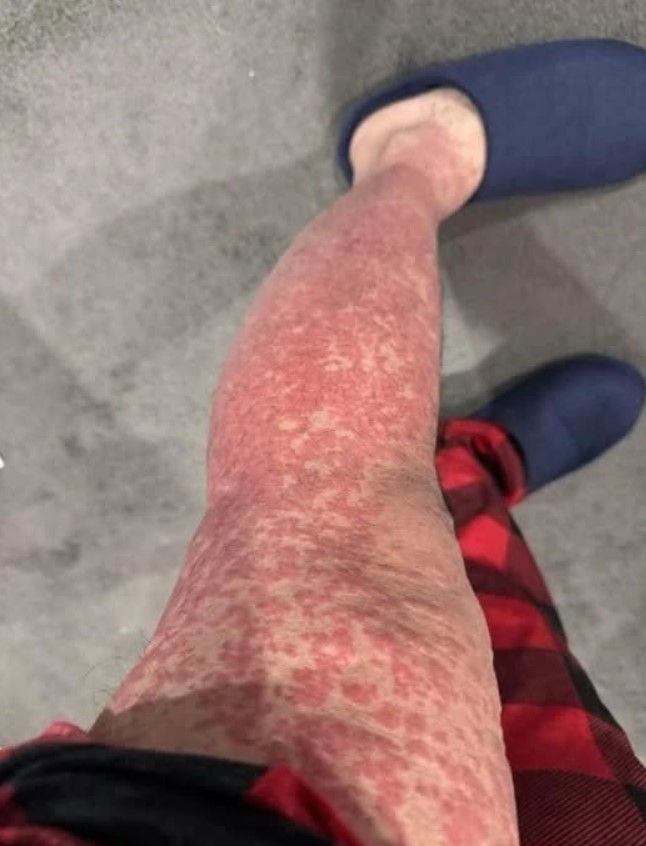
Many people have heard strange warnings about going to bed with wet socks. Some believe it will make you catch a cold, while others claim it can lead to serious health problems. On the other hand, there are wellness trends that actually recommend wearing damp socks as part of certain home remedies. With so much conflicting information, it’s easy to wonder what’s fact and what’s fiction.
The truth is that sleeping with wet socks isn’t automatically dangerous, but it isn’t usually a good idea either. Keeping your feet damp for several hours creates an environment that may affect your skin, comfort, and overall sleep quality. In some situations, it may even increase the risk of certain foot problems. Understanding the potential consequences can help you make healthier choices and keep your feet comfortable and protected.
Why Wet Feet Matter
Your feet contain thousands of sweat glands and are enclosed inside socks and bedding for several hours every night. When socks become wet—from water, sweat, or moisture—they trap humidity against your skin.
Warm, damp conditions make it more difficult for your skin to breathe and can encourage the growth of bacteria and fungi. While one night of wearing wet socks probably won’t cause lasting harm for a healthy person, making it a habit may lead to avoidable problems.
Can Sleeping with Wet Socks Make You Sick?
One of the biggest myths is that sleeping with wet socks directly causes colds or the flu.
In reality, colds and influenza are caused by viruses—not by being cold or having wet feet.
However, being cold for an extended period may make you feel uncomfortable and could temporarily reduce your body’s ability to stay warm. If you’re already run down or exposed to viruses, poor sleep and chilling may make it harder for your immune system to function at its best, but wet socks themselves don’t create illness.
Increased Risk of Fungal Infections
One of the more realistic concerns is fungal growth.
Fungi thrive in warm, moist environments, making damp socks an ideal setting for problems such as:
- Athlete’s foot
- Toenail fungus
- Persistent foot odor
Symptoms may include: - Itching
- Burning
- Peeling skin
- Cracking between the toes
- Redness
Keeping your feet dry is one of the simplest ways to reduce the likelihood of these common infections.
Skin Irritation and Rashes
Prolonged exposure to moisture can soften and weaken the outer layer of your skin.
This may lead to:
- Redness
- Dry patches
- Chafing
- Irritation
- Sensitive skin
People with eczema or other skin conditions may notice flare-ups more easily when their feet remain damp for long periods.
Wrinkled and Fragile Skin
Just like spending too much time in a swimming pool causes wrinkled fingers, wet socks can leave your feet waterlogged after several hours.
This process, known as skin maceration, makes the skin softer and more fragile.
Macerated skin is more likely to:
- Crack
- Tear
- Develop blisters
- Become irritated by friction
Poor Sleep Quality
Comfort plays an important role in getting restful sleep.
Wet socks often feel:
- Cold
- Heavy
- Sticky
- Uncomfortable
Even if you don’t fully wake up, discomfort may interrupt your sleep cycles, making you feel less rested the following morning.
Quality sleep is essential for physical recovery, concentration, mood, and overall health.
Can Wet Socks Cause Foot Odor?
Yes.
Bacteria naturally live on everyone’s skin. When moisture remains trapped around the feet, these bacteria break down sweat and dead skin cells more rapidly.
The result is often:
- Strong foot odor
- Damp shoes
- Lingering smells in socks
Changing into clean, dry socks before bed helps reduce bacterial growth and unpleasant odors.
People with Diabetes Should Be Especially Careful
Individuals living with diabetes need to pay close attention to foot care.
Poor circulation and reduced sensation can make even small skin injuries more serious.
Wet socks may increase the risk of:
- Skin breakdown
- Blisters
- Infections
- Slow-healing wounds
Healthcare providers generally recommend keeping feet clean, dry, and inspecting them daily for any signs of injury.
What About Sleeping with Sweaty Socks?
Even if your socks aren’t soaked with water, heavily sweat-soaked socks create similar conditions.
Night sweats or excessive foot perspiration can leave socks damp enough to encourage bacterial and fungal growth.
If your feet sweat frequently:
- Choose moisture-wicking socks.
- Wear breathable footwear during the day.
- Let your shoes dry completely between uses.
- Wash socks after every wear.
Are There Any Situations Where Wet Socks Are Used on Purpose?
Interestingly, there is a traditional home remedy sometimes called the “wet sock treatment.”
This involves:
- Wearing cool, damp cotton socks.
- Covering them with thick dry wool socks.
- Using the method for a short period under specific circumstances.
Some people believe this practice may help with congestion or relaxation, but scientific evidence supporting these claims is limited.
This controlled therapy differs significantly from accidentally sleeping in soaking wet socks after getting caught in the rain or wearing damp footwear all day.
Tips for Healthy Feet at Night
A few simple habits can help keep your feet comfortable and healthy while you sleep:
- Wash your feet daily.
- Dry carefully between the toes.
- Wear clean, dry socks if you prefer sleeping with socks on.
- Choose breathable cotton or moisture-wicking fabrics.
- Moisturize dry heels before bed if needed.
- Allow shoes to air out after wearing them.
These practices help reduce moisture buildup and lower the risk of skin problems.
When to See a Healthcare Professional
If you notice any of the following symptoms, it’s a good idea to seek medical advice:
- Persistent itching
- Painful cracks
- Severe redness
- Swelling
- Blisters that don’t heal
- Thick, discolored toenails
- Signs of infection such as warmth, pus, or increasing pain
Early treatment can often prevent minor foot problems from becoming more serious.
Other Habits That Keep Your Feet Healthy
Your nighttime routine isn’t the only factor affecting foot health. Daily choices also matter.
Try to:
- Wear properly fitting shoes.
- Rotate footwear to allow shoes to dry.
- Change socks if they become sweaty.
- Trim toenails carefully.
- Keep feet clean and dry after exercise.
Small habits practiced consistently can go a long way toward preventing common foot issues.
Conclusion :
Sleeping with wet socks isn’t likely to cause a cold, but it can create conditions that aren’t ideal for healthy feet. Prolonged moisture may increase the risk of fungal infections, skin irritation, unpleasant odors, and discomfort that interferes with a good night’s sleep. For most people, changing into a fresh, dry pair of socks—or going without socks if preferred—is the healthier choice.
Taking care of your feet doesn’t require complicated routines. Simply keeping them clean, dry, and protected can help prevent many common problems while improving overall comfort. If you ever notice persistent redness, itching, pain, or signs of infection, don’t ignore the symptoms. Healthy feet play an important role in your daily well-being, and a few simple habits each night can make a lasting difference.