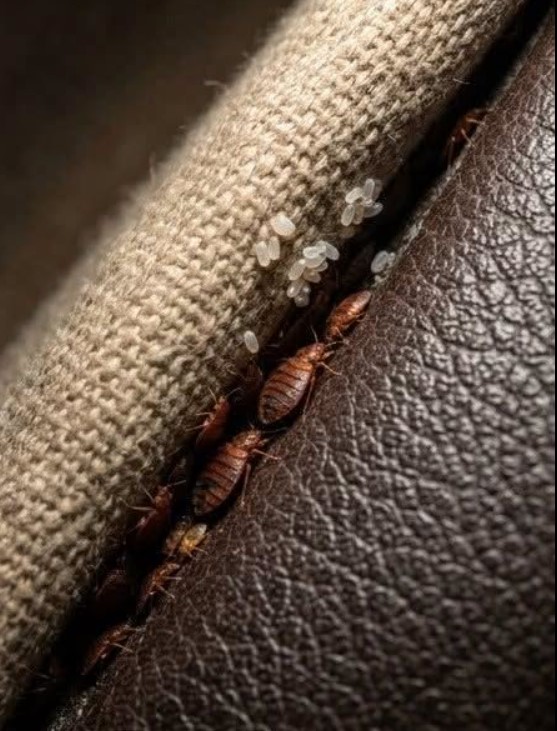
Few household discoveries are as unsettling as finding tiny insects hiding inside the seams of a sofa or tucked away in the cracks of upholstered furniture. At first glance, the sight of small reddish-brown bugs clustered near pale, oval-shaped eggs can immediately trigger concern. Many homeowners fear the worst and wonder whether they’ve just uncovered a bed bug infestation.
Unfortunately, upholstered furniture is one of the many places where bed bugs can hide, especially if an infestation has become established. However, it’s important not to jump to conclusions based on appearance alone. Several insects resemble bed bugs, and accurate identification is the first step before deciding how to respond. Understanding what bed bugs look like, where they hide, how they spread, and what signs to watch for can help you determine whether you have a genuine problem and what actions to take next.
Let’s take a closer look at the clues that may indicate the insects are bed bugs, explore other possible explanations, and review practical steps for inspecting and protecting your home.
Could These Really Be Bed Bugs?
Based on the appearance shown in the image, the insects strongly resemble adult bed bugs accompanied by clusters of pale eggs. While only a close inspection or professional identification can confirm the species with certainty, the combination of:
- Flat, oval-shaped reddish-brown insects
- Light-colored eggs attached in groups
- A hiding place within a furniture seam
is consistent with common signs of bed bugs.
If you discover insects that match these characteristics, it’s wise to investigate further rather than ignoring the problem.
What Are Bed Bugs?
Bed bugs are small, wingless insects that feed on the blood of humans and other warm-blooded animals.
Adult bed bugs typically:
- Measure about 5–7 millimeters long.
- Have flat, oval-shaped bodies.
- Appear reddish-brown after feeding.
- Become more swollen after consuming blood.
Because they hide during daylight hours, many infestations go unnoticed until populations increase.
Why Sofas Can Become Hiding Places
Despite their name, bed bugs don’t live exclusively in beds.
They seek out locations close to where people remain still for extended periods.
Favorite hiding places include:
- Mattresses
- Box springs
- Headboards
- Bed frames
- Recliners
- Sofas
- Upholstered chairs
- Cushions
- Curtain folds
- Baseboards
- Electrical outlets
A sofa used daily for watching television or taking naps can provide an ideal hiding place.
What Do Bed Bug Eggs Look Like?
Bed bug eggs are:
- Tiny
- White to pearly in color
- Oval-shaped
- About the size of a pinhead
Females deposit eggs in protected cracks and crevices using a sticky substance that helps them remain attached to surfaces.
Under favorable indoor conditions, eggs may hatch in about one to two weeks.
Other Signs of a Bed Bug Infestation
Even if you don’t immediately see insects, several other clues may indicate their presence.
Watch for:
- Tiny black spots (bed bug droppings)
- Rust-colored stains on fabric
- Shed skins
- Clusters of eggs
- Sweet or musty odors in heavy infestations
- Itchy bite marks that appear after sleeping or resting
Not everyone reacts to bites, so the absence of bite marks doesn’t necessarily rule out bed bugs.
How Do Bed Bugs Get Into Homes?
Contrary to popular belief, bed bugs are not attracted to dirt or poor housekeeping.
They are excellent hitchhikers and often arrive through:
- Luggage
- Used furniture
- Clothing
- Backpacks
- Moving boxes
- Public transportation
- Hotels
- Dormitories
- Apartment buildings
Even spotless homes can experience infestations.
Why Early Detection Matters
Bed bugs reproduce relatively quickly.
A small problem can become much larger if left untreated.
Early identification allows homeowners to:
- Limit the spread.
- Reduce treatment costs.
- Protect additional furniture.
- Minimize stress.
Regular inspections can make a significant difference.
Inspect Nearby Areas
If you suspect bed bugs, carefully examine nearby furniture and sleeping areas.
Pay close attention to:
- Mattress seams
- Pillow edges
- Bed frames
- Nightstands
- Upholstered furniture
- Furniture joints
- Wall cracks
- Picture frames
Use a flashlight to inspect narrow crevices where insects often hide.
Avoid Moving Furniture Immediately
One common mistake is carrying infested furniture into another room.
Moving items before confirming the problem can accidentally spread insects throughout the home.
Instead:
- Keep suspect furniture where it is.
- Inspect surrounding areas.
- Contain loose items in sealed plastic bags if necessary.
This helps reduce the risk of transporting insects elsewhere.
Can You Eliminate Bed Bugs Yourself?
Small infestations may sometimes be managed with careful cleaning and targeted treatment, but larger infestations often require professional assistance.
Helpful steps may include:
- Vacuuming thoroughly.
- Washing washable fabrics in hot water.
- Drying items on high heat.
- Reducing clutter.
- Using protective mattress encasements where appropriate.
Because bed bugs hide in extremely small spaces, complete elimination can be challenging without a comprehensive approach.
Common Myths About Bed Bugs
Many misconceptions continue to circulate online.
Myth: Only Dirty Homes Get Bed Bugs.
Fact: Cleanliness has little to do with whether bed bugs appear. They travel by hitching rides on belongings.
Myth: Bed Bugs Only Live in Beds.
Fact: They hide in many kinds of furniture, especially where people spend long periods sitting or sleeping.
Myth: You’ll Always Feel Them Biting.
Fact: Most people never notice the bites while they occur because bed bugs inject compounds that reduce discomfort during feeding.
Preventing Future Infestations
Although no prevention method is perfect, several habits reduce the risk.
Inspect Used Furniture
Carefully examine secondhand couches, chairs, and mattresses before bringing them indoors.
Be Cautious After Traveling
Inspect luggage after hotel stays and wash travel clothing promptly.
Reduce Clutter
Fewer hiding places make inspections easier and help detect problems earlier.
Vacuum Regularly
Routine cleaning won’t eliminate an infestation but can help remove insects, eggs, and debris from accessible areas.
When to Contact a Professional
If you discover:
- Multiple live insects
- Eggs in several locations
- Repeated bite reports
- Evidence spreading through multiple rooms
it may be time to consult a licensed pest management professional.
Professionals have access to specialized inspection techniques and treatment options that are often more effective than over-the-counter products alone.
Don’t Panic
Finding insects in your furniture is unsettling, but it doesn’t necessarily mean your entire home is overrun. Many infestations are discovered in their early stages, allowing prompt action before the insects spread widely. Remaining calm, confirming the identification, and responding methodically will usually produce better results than rushing into drastic measures or discarding furniture unnecessarily.
Why Identification Is So Important
Several insects can resemble bed bugs at first glance, including carpet beetles, bat bugs, and certain small beetles. Proper identification ensures that you choose the most effective solution and avoid wasting time or money treating the wrong pest. If you’re uncertain, capturing a clear photo or collecting a sample for professional identification can provide valuable peace of mind.
Conclusion :
Discovering small reddish-brown insects and tiny pale eggs hidden inside the seam of a sofa is enough to make any homeowner uneasy. While the insects shown strongly resemble bed bugs, the only way to know for certain is through careful identification or professional inspection. Rather than assuming the worst or ignoring the discovery, take a systematic approach by examining nearby furniture, looking for additional signs such as shed skins, dark spotting, or eggs, and documenting what you find. Early detection is one of the most effective ways to prevent a minor problem from becoming a larger infestation.
It’s also important to remember that bed bugs are not a reflection of poor housekeeping. These insects are skilled hitchhikers that can enter homes through luggage, used furniture, clothing, or other personal belongings. Even the cleanest homes, hotels, apartments, and offices can occasionally experience infestations. Understanding how bed bugs spread helps reduce unnecessary stigma and encourages faster action when they are discovered.
If the insects turn out to be bed bugs, responding promptly with thorough cleaning, careful inspection, and, when necessary, professional pest control offers the best chance of eliminating them successfully. Avoid moving potentially infested furniture around the house, inspect other areas where people sleep or relax, and continue monitoring for additional activity. With patience, informed decision-making, and the appropriate treatment strategy, most infestations can be brought under control, allowing you to restore comfort and peace of mind in your home.