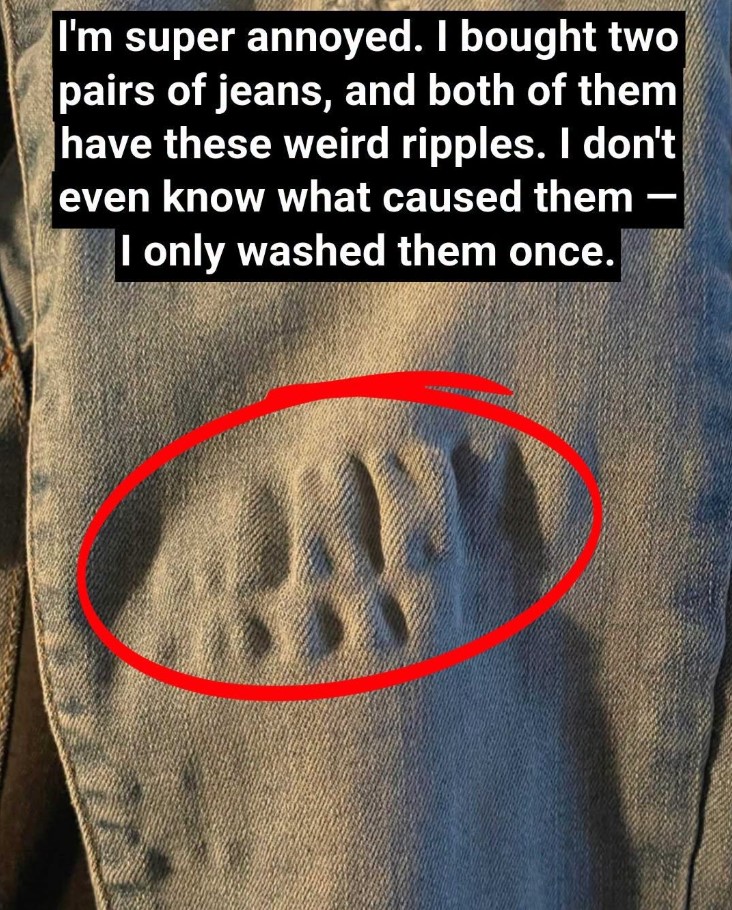
You’ve just bought a brand-new pair of jeans. They fit perfectly, the fabric feels sturdy, and after wearing them a few times, you toss them into the washing machine. But when they come out, you notice something strange. The smooth denim now has unusual ripples, puckers, or wavy bumps running across the thighs or legs. Even more frustrating, the jeans may have only been washed once.
If you’ve experienced this, you’re certainly not alone. These mysterious ripples—sometimes called leg twisting, puckering, or fabric distortion—are a surprisingly common issue with modern denim. While they can make jeans look worn or poorly made, the causes are often more complicated than a simple manufacturing defect. Everything from fabric composition and construction techniques to washing methods and drying temperatures can contribute to these unwanted wrinkles.
The good news is that understanding why these ripples form can help you reduce the chances of them appearing in future pairs. Let’s explore the science behind denim, why ripples develop, and the best ways to keep your favorite jeans looking their best for as long as possible.
What Are These Ripples?
The raised waves or puckers that appear after washing are areas where the fabric no longer lies perfectly flat.
They may:
- Form around the thighs.
- Appear near the knees.
- Develop along the outer leg seams.
- Show up around pockets.
- Create uneven waves across the denim.
Although they often look like wrinkles, these ripples usually involve slight changes in how the fabric sits rather than simple creases that can be ironed away.
Why Does Denim Change After Washing?
Denim is a tightly woven cotton fabric that responds naturally to moisture, heat, and movement.
When jeans are washed:
- Cotton fibers absorb water.
- The fibers expand.
- During drying, they contract again.
If different parts of the fabric shrink at slightly different rates, small distortions may appear.
These changes are perfectly normal to some extent, but certain manufacturing choices can make them much more noticeable.
Stretch Denim Plays a Major Role
Many modern jeans contain:
- Cotton
- Polyester
- Elastane (spandex)
- Lycra
These stretch fibers improve comfort and flexibility, but they also behave differently than cotton during washing and drying.
Because each fiber responds differently to heat and moisture, slight tension differences can develop inside the fabric, contributing to visible rippling.
The Effect of Fabric Tension
During manufacturing, large rolls of denim are stretched, cut, sewn, and finished.
If the fabric isn’t perfectly balanced before construction, tension can remain trapped inside the material.
After the first wash, that hidden tension may relax, causing:
- Wavy areas.
- Twisting seams.
- Uneven surfaces.
- Localized puckering.
This explains why some jeans develop ripples after only one laundering.
Why the Thigh Area Is Often Affected
The upper leg experiences significant movement throughout the day.
Walking, sitting, climbing stairs, and bending constantly place stress on the fabric.
Because stretch denim repeatedly expands and contracts in this area, ripples often become most noticeable around the thighs where the fabric experiences the greatest strain.
Heat Can Make the Problem Worse
High dryer temperatures can exaggerate fabric distortion.
Excessive heat may:
- Cause additional shrinkage.
- Affect elastic fibers.
- Lock wrinkles into the fabric.
- Increase puckering.
While tumble drying is convenient, repeated exposure to high temperatures may shorten the life of stretch denim.
Washing Machine Agitation
Aggressive wash cycles expose clothing to:
- Twisting.
- Friction.
- Compression.
- Repeated bending.
Heavy items such as towels or jackets can increase mechanical stress on jeans during the wash cycle.
Gentler wash settings often reduce unnecessary strain.
Fabric Quality Matters
Not all denim is produced using identical methods.
Higher-quality jeans often feature:
- Better yarn consistency.
- Improved weaving techniques.
- More stable fabric construction.
- Higher-quality finishing processes.
Less expensive jeans may still perform well, but variations in manufacturing can sometimes make rippling more likely.
Is It a Manufacturing Defect?
Not necessarily.
Minor puckering is considered a normal characteristic of many denim garments, particularly those containing stretch fibers.
However, severe distortion shortly after purchase could occasionally indicate:
- Uneven fabric tension.
- Poor stitching alignment.
- Fabric finishing issues.
If the problem appears extreme after following the care instructions, contacting the retailer may be worthwhile.
Can Ironing Remove the Ripples?
Sometimes—but not always.
Light steam ironing may temporarily relax shallow waves.
However, if the distortion results from permanent changes in fabric tension, ironing is unlikely to eliminate it completely.
Using a pressing cloth helps protect the denim’s finish while ironing.
Better Ways to Wash Jeans
Proper laundering helps preserve the appearance of denim.
Consider these habits:
- Turn jeans inside out.
- Zip zippers before washing.
- Wash with similar fabrics.
- Use cold water.
- Choose gentle detergent.
- Select a delicate or gentle cycle.
These simple practices reduce unnecessary wear.
Air Drying Helps
Whenever possible, allow jeans to dry naturally.
Air drying:
- Reduces heat exposure.
- Minimizes shrinkage.
- Helps preserve stretch fibers.
- Extends fabric life.
Hang jeans by the waistband or lay them flat to maintain their shape.
Avoid Overwashing
One of the easiest ways to extend the life of denim is to wash it less frequently.
Unless visibly dirty or heavily soiled, many jeans can be worn several times before laundering.
Frequent washing accelerates:
- Color fading.
- Fiber wear.
- Stretch loss.
- Fabric distortion.
Spot cleaning small stains can sometimes reduce the need for a full wash.
Choosing Better Denim
When shopping for jeans, consider:
Fabric Content
Jeans with a higher percentage of cotton often maintain their structure longer, while those with a small amount of elastane offer comfort with less risk of excessive distortion.
Construction
Examine seam quality and stitching before purchasing.
Well-made seams usually indicate better overall construction.
Care Instructions
Following the manufacturer’s washing recommendations helps preserve both fit and appearance.
Can You Prevent Ripples Completely?
Probably not.
Denim is a natural textile that changes over time with wear and washing.
However, careful laundering and proper drying can significantly reduce:
- Puckering.
- Twisting.
- Premature aging.
- Fabric stress.
Accepting some gradual changes is part of owning genuine denim, especially garments designed for everyday use.
Common Denim Myths
Myth: Ripples Mean the Jeans Are Fake.
Fact: Authentic jeans from reputable brands can also develop puckering, especially stretch denim.
Myth: Expensive Jeans Never Ripple.
Fact: Higher-quality construction may reduce the likelihood, but no denim is completely immune to changes caused by repeated washing and wear.
Myth: Washing in Hot Water Cleans Better.
Fact: Cold water is generally sufficient for most laundry and is often gentler on denim, helping preserve color, shape, and elasticity.
Caring for Denim Over the Long Term
Jeans are designed to age gracefully, developing unique fading patterns and softening with use. Proper care helps ensure that this aging process looks intentional rather than the result of unnecessary wear. Washing less frequently, avoiding excessive heat, storing jeans properly, and treating stains promptly all contribute to extending their lifespan. A little extra attention during laundry day can keep your favorite pair looking better for years instead of months.
Conclusion :
Seeing strange ripples appear on a nearly new pair of jeans can be frustrating, especially after only one wash. Fortunately, these waves are usually not a sign that you’ve done something wrong. In most cases, they’re the result of how denim responds to water, heat, movement, and the combination of fibers used in modern stretch fabrics. Manufacturing techniques, fabric tension, washing methods, and drying temperatures all play a role in how your jeans change over time, making some degree of puckering a common characteristic rather than an unusual defect.
The best way to minimize these ripples is through proper denim care. Washing jeans inside out with cold water, using a gentle cycle, avoiding excessive detergent, and allowing them to air dry whenever possible can significantly reduce stress on the fabric. Limiting how often you wash your jeans also helps preserve their color, elasticity, and overall appearance. While no pair of jeans will remain exactly as they looked on the store shelf forever, thoughtful care can greatly extend their lifespan and keep them looking their best.
At the end of the day, denim is meant to evolve with its owner. Over time, it softens, molds to your shape, and develops unique character through everyday wear. A few subtle ripples or changes in texture are often simply part of that natural aging process. By understanding why these changes happen and adopting good laundry habits, you can enjoy your favorite jeans for many years while keeping unwanted distortion to a minimum.