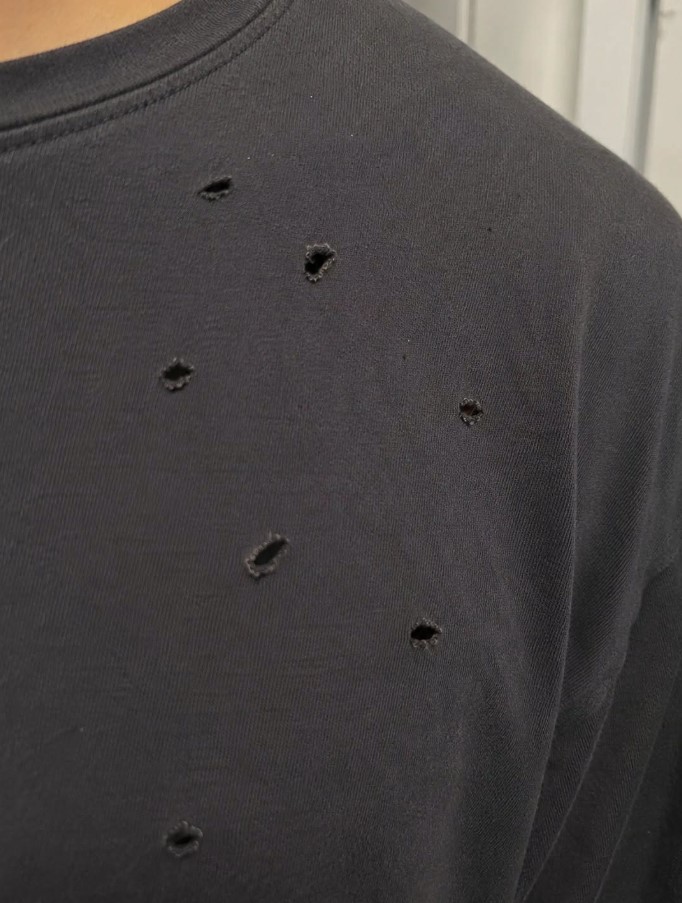
There are few things more annoying than putting on a favorite T-shirt and suddenly noticing a tiny hole near the bottom. You may wash your clothes carefully, follow the care instructions, and store everything properly, yet those mysterious little holes seem to keep appearing.
Many people immediately blame moths, poor-quality fabric, or the washing machine. But the truth is that clothing can develop holes for many different reasons. Everyday friction, zippers, rough furniture, laundry equipment, dryers, and fabric-eating pests can all contribute to damage. The location and appearance of the hole can often provide an important clue about what is actually happening.
The good news is that mysterious holes usually aren’t completely mysterious. Once you identify the source, a few simple changes to your laundry routine or daily habits can help your clothes last considerably longer.
Why Do Small Holes Keep Appearing?
Before deciding that insects are eating your wardrobe, take a close look at where the holes appear.
Tiny holes concentrated around the lower front of a shirt may point toward repeated friction from counters, tables, belts, or buttons. Damage that appears immediately after washing may suggest snagging from zippers, hooks, rough surfaces, or a problem inside the washing machine. Holes in clothing that has been stored for long periods can have a different explanation, particularly if there are signs of fabric pests.
The pattern matters because different causes tend to damage fabric in different ways.
1. Friction From Counters and Tables
One of the easiest causes to overlook is something you interact with every day: countertops and other hard surfaces.
Think about how often the lower part of your shirt touches a kitchen counter while you’re preparing food, washing dishes, or reaching for something. The same thing can happen when you lean against a desk, kitchen island, bathroom counter, or table.
Each individual contact may seem harmless. However, repeated rubbing against the same surface gradually weakens the fibers. Lightweight cotton and jersey fabrics can be particularly vulnerable because they are relatively thin and flexible.
How to Reduce Friction
Start paying attention to where the front of your shirt touches surfaces during the day.
If you frequently lean against a counter while cooking, an apron can provide an extra protective layer. At a desk, try to avoid repeatedly dragging the same part of your shirt across a rough edge.
You should also inspect the surfaces you regularly work against. A countertop or desk may feel smooth to your hand but still contain a tiny rough spot capable of gradually wearing down fabric.
2. Your Washing Machine Could Be Catching Your Clothes
The washing machine is another possible source of damage.
Clothing moves rapidly through water and detergent while rubbing against other garments and the inside of the machine. If a fabric catches on a rough edge, damaged component, foreign object, or exposed piece of hardware, it can develop a snag that eventually becomes a hole.
This doesn’t mean every washing machine that produces a hole is defective. Sometimes the problem is simply the way garments are being washed together.
Simple Laundry Habits That Can Help
A few small changes can reduce unnecessary stress on your clothing:
- Turn delicate garments inside out before washing.
- Close zippers completely.
- Fasten hooks and other closures.
- Use mesh laundry bags for fragile items.
- Avoid stuffing too many clothes into one load.
- Separate lightweight clothing from heavy or rough garments.
- Inspect the washer drum periodically for rough or damaged areas.
If you repeatedly find new holes immediately after washing, examine the inside of the machine carefully while it is switched off. Look for anything that could catch fabric. If you discover a damaged component or something you cannot safely correct yourself, have the machine inspected by a qualified technician.
3. The Dryer Can Gradually Weaken Fabric
Even when the washing machine isn’t responsible, the dryer can contribute to clothing damage.
High temperatures and repeated tumbling expose fabric to heat and mechanical stress. Over time, this can weaken certain fibers, especially when garments are dried at temperatures higher than recommended.
The effect isn’t always an immediate dramatic tear. Instead, repeated drying can gradually make fabric thinner and more fragile, increasing the likelihood that normal friction will eventually create a hole.
A Gentler Drying Routine
Always check the garment’s care label before choosing a drying temperature.
When appropriate, use a lower heat setting for lightweight clothing. For particularly delicate items, air-drying can reduce the amount of heat and tumbling the fabric experiences.
You don’t necessarily have to give up your dryer. The goal is simply to avoid exposing every garment to more heat and mechanical action than it actually needs.
4. Zippers, Hooks, and Other Fasteners
Sometimes the culprit isn’t the appliance at all.
A pair of pants with an open zipper can rub against a delicate shirt during a wash cycle. Hooks, bra fasteners, Velcro, metal buttons, snaps, studs, and decorative hardware can also catch lightweight fabric.
A single snag may not create a large tear, but repeated contact can gradually turn a weak spot into a visible hole.
How to Prevent Snagging
Before putting clothes into the washer, take a few seconds to prepare them.
Zip zippers, fasten hooks, close snaps, and turn delicate garments inside out. If possible, keep fragile clothing away from garments covered in exposed metal hardware.
Using a mesh laundry bag for delicate items can provide another layer of protection.
These habits take very little effort, but they can make a noticeable difference over time.
5. Moths and Other Fabric Pests
Of course, insects really can damage clothing—but they aren’t automatically responsible for every hole.
Moth larvae and certain other fabric pests can feed on natural fibers and may damage garments while they are stored. Wool, silk, and other animal-based fibers can be particularly attractive to some fabric pests.
If holes are appearing in clothes that have been sitting undisturbed in a closet or drawer, insects become a more important possibility. Irregular holes, multiple damaged areas, larvae, shed skins, webbing, or other signs around stored clothing may provide additional clues.
What to Do if You Suspect Pests
Inspect your closet, drawers, carpets, and storage areas carefully. Remove affected clothing and clean the storage area thoroughly.
Wash or otherwise treat garments according to their care instructions, and pay particular attention to wool, silk, and other susceptible materials.
Keeping closets clean and avoiding long-term storage of dirty clothing can also make the environment less attractive to fabric pests.
6. Belts, Buttons, and Jeans Hardware
If holes consistently appear on the lower front of your shirts, look at what you’re wearing underneath them.
A belt buckle, jeans button, rivet, or zipper can repeatedly press against the same section of fabric. This is especially noticeable when you sit at a desk, lean against a counter, or bend forward.
Over time, the constant rubbing can create a weak spot.
This explains why you may find several shirts developing holes in almost exactly the same location. The consistency itself is an important clue.
Try changing belts, wearing an undershirt, tucking the shirt in when practical, or paying attention to where your clothing rubs against your pants.
7. Furniture and Rough Edges
Your clothing can also suffer damage from ordinary household furniture.
A rough desk edge, chipped countertop, unfinished wooden surface, or damaged chair can act like sandpaper against fabric.
You might not notice the problem because the contact is happening gradually throughout the day.
If holes repeatedly appear at approximately the same height on your shirts, inspect the furniture you frequently lean against. Run your hand carefully over the surface and look for rough areas, splinters, chipped finishes, or sharp corners.
Repairing the furniture may protect not only your clothing but also prevent scratches or snags to other materials.
Why Do the Holes Often Appear in the Same Place?
The location of the damage can be one of your best diagnostic tools.
A hole near the bottom front of a shirt may indicate friction from a belt, pants hardware, countertop, or desk. Damage that appears after laundry may point toward snagging during washing. Holes in stored clothing may deserve a closer inspection for fabric pests.
This is why it can be useful to take note of exactly where the hole appears rather than simply throwing the damaged garment away.
If the same area keeps getting damaged across several different shirts, there is probably a repeated source of friction or contact.
How to Protect Your Clothes in the Laundry
You don’t need an elaborate system to make your clothing last longer. A few consistent habits can significantly reduce unnecessary wear.
Turn Clothes Inside Out
Turning shirts and delicate garments inside out reduces direct abrasion on the visible exterior.
Close Zippers and Fasteners
Zippers and hooks are much less likely to snag other garments when they are properly closed.
Don’t Overload the Washer
A tightly packed machine gives clothing less room to move freely and can increase rubbing between garments.
Separate Heavy and Delicate Clothing
Jeans, towels, jackets, and other heavy garments can create more friction than lightweight shirts and delicate fabrics.
Use Mesh Bags
Mesh laundry bags are particularly useful for delicate tops, lightweight knitwear, lingerie, and other garments that can easily snag.
Choose Appropriate Wash Settings
Follow the care label rather than automatically using the hottest or strongest setting available.
Be Careful With the Dryer
Use an appropriate temperature and avoid unnecessarily long drying cycles.
What If Your Clothes Are Already Developing Holes?
Don’t automatically throw the garment away.
If the hole is small and the surrounding fabric is still strong, a simple repair may extend the life of the item. A needle and matching thread can be enough for a basic repair, while more delicate or valuable garments may benefit from professional alterations.
However, repairing a hole without identifying its cause may only provide a temporary solution. If the same area is exposed to continued friction or snagging, another hole can eventually appear.
So repair the garment—but also investigate why the damage happened in the first place.
A Simple Investigation You Can Try
If you’re repeatedly finding mysterious holes, approach the problem like a detective.
First, inspect the damaged clothing and record where the holes are located.
Next, think about when you notice them. Did they appear after washing? After wearing the garment? Or did you discover them after the clothing had been sitting in a closet?
Then inspect the most likely source.
Check your washing machine for rough areas. Look at your belts, buttons, and zippers. Examine countertops and desks. If the clothing has been stored for a long time, inspect the closet for signs of insects.
Changing only one thing at a time can also help you determine whether a particular habit is contributing to the damage.
When Should You Replace the Garment?
Not every damaged garment needs to be thrown away.
A favorite shirt with one small hole may be worth repairing, particularly if the fabric is otherwise strong and in good condition.
Replacement becomes more practical when the fabric has become extremely thin, multiple holes are appearing, seams are failing, or the garment continues to deteriorate despite repairs.
The important thing is to distinguish between a single accidental snag and widespread fabric deterioration.
Conclusion :
Those tiny holes appearing in your clothes may seem mysterious, but they usually have a reason.
Sometimes the problem is everyday friction from countertops, desks, belts, buttons, or furniture. In other cases, zippers and hooks can snag fabric during washing, while rough or damaged areas inside a washing machine may contribute to tears. Dryers can gradually weaken fibers through repeated heat and tumbling, and fabric pests such as moth larvae can damage clothing that has been stored for long periods.
The most useful clue is often the location and timing of the holes. If they always appear in the same place, look for something that repeatedly rubs against that area. If they appear after laundry, inspect your washing routine and the machine. If stored clothing is affected, investigate the closet and watch for signs of insects.
The good news is that many of these causes are preventable. Close your zippers, fasten hooks, separate delicate clothing, avoid overloading the washer, use mesh bags when necessary, choose gentler drying settings, and pay attention to the surfaces your clothes contact throughout the day.
A little investigation can save a surprising amount of clothing—and once you discover the real culprit, those frustrating little holes may finally become a thing of the past.