
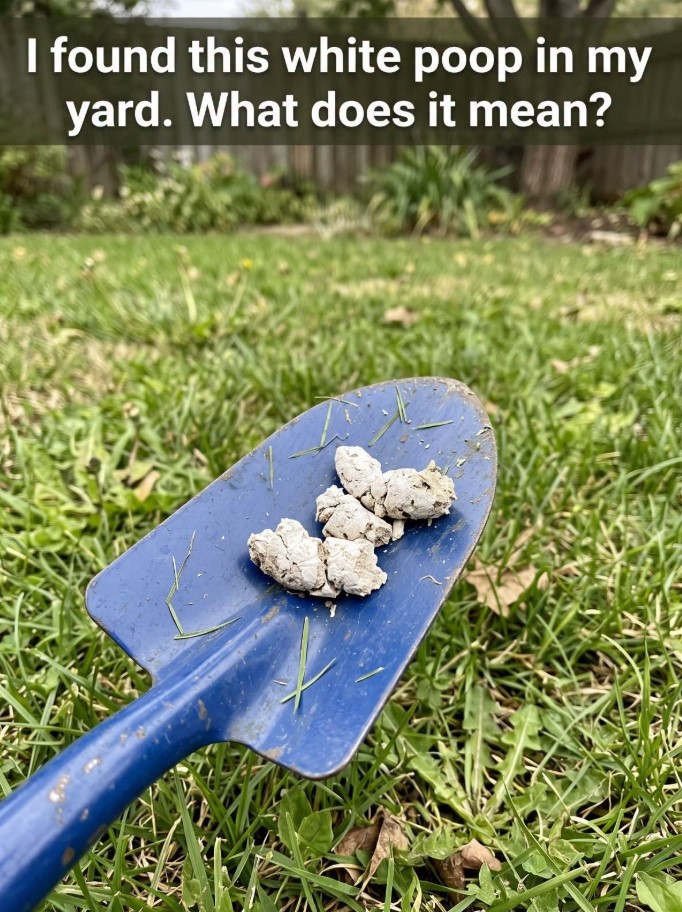
Finding something unusual in your yard can be surprising, especially when it’s your dog’s poop—and instead of the typical brown color, it’s turned chalky white. For many pet owners, this raises immediate questions. Is it a sign of illness? Did your dog eat something unusual? Or is it simply a harmless change that happens over time?
Years ago, white dog poop was a far more common sight than it is today. In fact, many people who grew up in the 1970s and 1980s remember seeing dry, white droppings in parks, sidewalks, and backyards. Today, however, it’s much less common, thanks to changes in commercial pet food and better understanding of canine nutrition.
While white dog poop isn’t always a reason to panic, it shouldn’t be ignored either. The color, texture, and frequency of your dog’s stool can provide valuable clues about their overall health. Understanding the possible causes can help you determine whether it’s simply an old stool that’s been exposed to the elements or a sign that your furry friend may need veterinary attention.
Let’s take a closer look at why dog poop sometimes turns white, what it could mean, and when it’s time to be concerned.
Why Dog Poop Is Normally Brown
Healthy dog stool is typically medium to dark brown due to the presence of bile, a digestive fluid produced by the liver and stored in the gallbladder. Bile helps break down fats during digestion and gives stool its familiar brown color.
A healthy bowel movement is usually:
- Firm but not hard
- Easy to pick up
- Moist without being runny
- Uniform in color
Changes in color, consistency, or frequency can sometimes indicate dietary changes or underlying health issues.
The Most Common Reason: Old Poop Left Outdoors
One of the simplest explanations for white dog poop is time.
When feces remain outside for several days or weeks, exposure to sunlight, rain, heat, and air gradually dries them out. As moisture evaporates, the remaining minerals become more concentrated, causing the stool to fade from brown to gray and eventually to a chalky white appearance.
This is particularly common during hot, dry weather when decomposition occurs more slowly.
If the white stool is old and brittle, it’s probably nothing more than weathered waste.
A Diet That’s Too High in Calcium
Fresh white or pale-colored dog poop can sometimes point to excessive calcium intake.
Dogs that regularly eat raw diets containing large amounts of raw bones or bone meal may consume more calcium than they need. During digestion, excess calcium can produce dry, crumbly stools that appear light gray or white.
Other signs may include:
- Hard stools
- Difficulty passing stool
- Constipation
- Crumbly texture
While calcium is an essential nutrient, too much can upset the balance of your dog’s diet.
Eating Too Many Bones
Dogs love chewing bones, but consuming large quantities can affect their stool.
Bone fragments contain high levels of minerals that don’t digest completely. As these minerals pass through the digestive system, they may leave behind dry, pale-colored feces that crumble easily.
Too many bones may also increase the risk of:
- Constipation
- Intestinal irritation
- Digestive blockage
- Damage to the mouth or digestive tract
Moderation is important whenever bones are offered.
Could Parasites Be Responsible?
Certain intestinal parasites can sometimes contribute to changes in stool appearance.
Although parasites usually cause diarrhea, mucus, or weight loss rather than white stool, severe infestations may affect digestion enough to alter the stool’s appearance.
Signs that could accompany parasites include:
- Weight loss
- Poor appetite
- Vomiting
- Scooting across the floor
- Visible worms or worm segments
Routine deworming and regular veterinary checkups remain the best prevention.
Digestive Problems and Poor Nutrient Absorption
Sometimes white or pale stool may indicate that food isn’t being digested properly.
Conditions affecting the pancreas, liver, or gallbladder can interfere with normal digestion, leading to lighter-colored bowel movements.
Potential digestive disorders include:
Pancreatic insufficiency
The pancreas fails to produce enough digestive enzymes.
Liver disease
Reduced bile production may result in pale stool.
Gallbladder disorders
Problems with bile flow can affect stool color.
These conditions often occur alongside additional symptoms such as:
- Weight loss
- Poor appetite
- Lethargy
- Vomiting
- Chronic diarrhea
Changes in Commercial Dog Food
Interestingly, white dog poop used to be much more common decades ago.
Older dog foods often contained larger amounts of bone meal and calcium-rich fillers. These ingredients frequently produced pale stools that eventually dried into the chalky white droppings many people remember.
Today’s commercial pet foods are formulated with more balanced nutrition, which is one reason white dog poop has become much less common.
Could Medication Cause White Stool?
Certain medications or supplements may temporarily change stool color.
For example:
- Calcium supplements
- Some antacids
- Mineral-based medications
- Digestive supplements
If the change occurs shortly after starting a new medication, discuss it with your veterinarian before making any changes.
White Specks Versus White Poop
Sometimes owners mistake white spots for completely white stool.
Small white particles may indicate:
- Undigested food
- Bone fragments
- Tapeworm segments
- Medication residue
If you notice moving white pieces or rice-like segments, contact your veterinarian for appropriate parasite testing.
Environmental Factors Can Change Appearance
The weather also plays a role.
Strong sunlight gradually bleaches stool, while repeated cycles of rain and drying remove much of its original color.
Older poop often becomes:
- Dry
- Hard
- Crumbly
- Chalk-like
- White or light gray
This natural aging process is harmless, although it does remind us why prompt cleanup is beneficial for both hygiene and the environment.
When Should You Be Concerned?
White dog poop deserves closer attention if:
- It appears immediately after your dog defecates.
- It happens repeatedly.
- Your dog seems sick.
- Blood is present.
- Vomiting accompanies the stool change.
- Appetite decreases.
- Weight loss occurs.
- Your dog appears uncomfortable while passing stool.
Persistent changes should always be evaluated by a veterinarian.
How Veterinarians Diagnose the Cause
If white stool continues, your veterinarian may recommend:
- A physical examination
- Stool analysis
- Blood tests
- Imaging such as X-rays or ultrasound
- Dietary review
These tests help identify whether the issue relates to nutrition, digestion, parasites, or another medical condition.
Tips for Maintaining Healthy Digestion
Keeping your dog’s digestive system healthy often comes down to a few simple habits:
- Feed a complete, balanced diet appropriate for your dog’s age and size.
- Avoid excessive bone consumption unless guided by your veterinarian.
- Ensure fresh water is always available.
- Exercise your dog regularly.
- Schedule routine veterinary wellness visits.
- Keep up with parasite prevention.
- Monitor changes in appetite, energy, and bowel movements.
These everyday practices can go a long way toward preventing digestive issues and helping you spot potential problems early.
Is White Dog Poop Always Dangerous?
Fortunately, not always.
In many cases, white dog poop is simply old waste that has dried in the sun or the temporary result of eating too many bones. However, if the stool is fresh and consistently white, it may point to nutritional imbalances or digestive conditions that deserve professional evaluation.
Paying attention to changes in your dog’s stool is one of the easiest ways to monitor their overall health. Since our pets can’t tell us when something feels wrong, their bathroom habits often provide valuable clues.
Conclusion :
White dog poop may seem unusual or even alarming when you first notice it, but in many cases, there’s a simple explanation. If the stool has been sitting outdoors for several days, exposure to sunlight, heat, and the elements can naturally bleach it into the chalky white color that many people remember seeing years ago. On the other hand, if the stool is fresh and consistently pale or white, it could indicate that your dog has consumed too much calcium or too many bones, or it may signal an underlying digestive issue involving the liver, pancreas, or gallbladder. While these situations aren’t always emergencies, they are worth paying attention to, especially if your dog is showing additional symptoms such as vomiting, diarrhea, constipation, weight loss, or changes in appetite.
As a pet owner, one of the easiest ways to monitor your dog’s overall health is by observing their daily habits—including their bowel movements. The color, texture, size, and consistency of your dog’s stool can provide valuable clues about how well their digestive system is functioning. Even subtle changes can sometimes be the first indication that something isn’t quite right, allowing you to seek veterinary advice before a minor issue becomes a more serious problem.
The good news is that many causes of white dog poop are preventable. Feeding a well-balanced, high-quality diet, avoiding excessive bone consumption, ensuring your dog stays hydrated, maintaining regular exercise, and scheduling routine veterinary checkups all contribute to a healthy digestive system. Keeping up with parasite prevention and promptly cleaning your yard also helps create a healthier environment for both your pets and your family.
Ultimately, knowing what is normal for your dog’s bathroom habits is one of the best tools you have as a responsible pet owner. If you notice an isolated incident of white stool that can easily be explained by old waste or a recent bone treat, there’s usually little cause for concern. However, if the change persists or is accompanied by other signs of illness, it’s always wise to consult your veterinarian for a proper evaluation. A little attention today can make a significant difference in protecting your furry friend’s long-term health, ensuring they continue to enjoy an active, comfortable, and happy life by your side for many years to come.