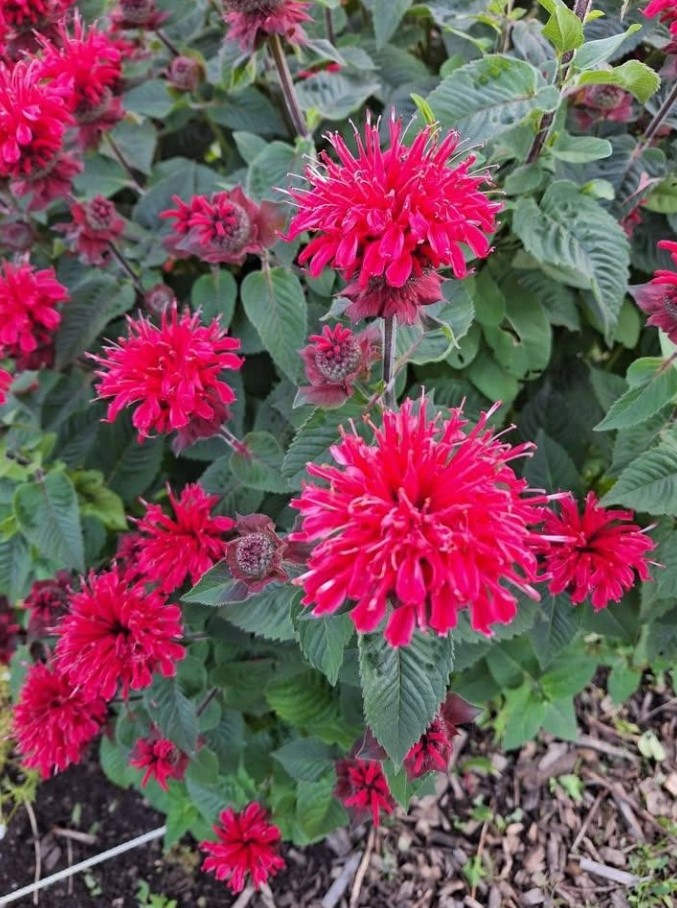
If you’re searching for a beautiful, low-maintenance plant that benefits both your garden and local wildlife, native perennials deserve a place at the top of your list. Unlike many ornamental plants that require constant care, native species have adapted to local climates and soil conditions over thousands of years, making them naturally resilient and easier to grow. One outstanding example is Bee Balm (Monarda), a vibrant flowering perennial known for its brilliant blooms, fragrant foliage, and ability to attract pollinators.
With its striking red, pink, purple, or lavender flowers, Bee Balm quickly becomes the centerpiece of any flower bed. But its beauty is only part of the story. This hardy perennial supports bees, butterflies, hummingbirds, and other beneficial insects while requiring relatively little maintenance once established. Whether you’re creating a pollinator paradise, adding colour to borders, or simply looking for a reliable perennial that returns year after year, Bee Balm is an excellent choice.
In this guide, you’ll learn why every gardener should consider growing this remarkable native perennial, how to care for it successfully, and the many ways it can improve the health and beauty of your outdoor space.
What Is Bee Balm?
Bee Balm (Monarda) is a flowering perennial native to North America and belongs to the mint family (Lamiaceae). Several species are commonly grown in home gardens, including:
- Scarlet Bee Balm (Monarda didyma)
- Wild Bergamot (Monarda fistulosa)
- Lemon Bee Balm (Monarda citriodora)
These plants produce clusters of tubular flowers that bloom throughout summer, creating a colourful display while providing abundant nectar for pollinators.
Bee Balm also releases a pleasant herbal fragrance when its leaves are crushed, making it attractive to both gardeners and beneficial insects.
Why Native Perennials Are Worth Growing
Native plants have evolved alongside local wildlife and environmental conditions, giving them several important advantages over many imported ornamentals.
Benefits include:
- Better adaptation to local weather
- Lower water requirements after establishment
- Greater resistance to many local pests
- Support for native pollinators
- Improved biodiversity
- Reduced need for fertilizers and pesticides
Choosing native plants helps create healthier ecosystems while making gardening easier and more sustainable.
Stunning Flowers That Brighten the Garden
One of Bee Balm’s greatest attractions is its dramatic flowers.
The unique blooms resemble colourful fireworks, with long tubular petals radiating outward in every direction.
Flower colours include:
- Bright red
- Deep pink
- Lavender
- Purple
- White
Because the flowers bloom for several weeks, Bee Balm provides continuous colour during the height of summer when many spring flowers have already faded.
A Magnet for Pollinators
Perhaps Bee Balm’s biggest claim to fame is its incredible ability to attract pollinators.
Its nectar-rich flowers are favourites of:
- Honeybees
- Native bees
- Bumblebees
- Butterflies
- Hummingbirds
- Beneficial hoverflies
By planting Bee Balm, you’re providing an important food source during the growing season.
This helps support healthy pollinator populations that benefit gardens, farms, and natural habitats alike.
Supports Local Wildlife
Bee Balm does more than feed pollinators.
It also contributes to a healthy garden ecosystem by attracting insects that become food for birds and other wildlife.
The plant helps create a balanced environment where beneficial insects naturally assist with pollination and pest control.
Easy to Grow
One reason gardeners love Bee Balm is its adaptability.
Once established, it requires relatively little maintenance.
It performs well in:
- Cottage gardens
- Pollinator gardens
- Wildflower meadows
- Mixed borders
- Rain gardens
- Naturalized landscapes
Its vigorous growth quickly fills empty spaces with lush foliage and colourful blooms.
Growing Conditions
Bee Balm thrives under the following conditions.
Sunlight
It prefers full sun but tolerates partial shade.
In hotter climates, light afternoon shade can help extend flowering.
Soil
The plant grows best in:
- Rich soil
- Moist soil
- Well-drained soil
- Slightly acidic to neutral soil
Adding compost before planting encourages vigorous growth.
Water
Keep newly planted Bee Balm consistently moist.
Once established, it becomes moderately drought tolerant, although regular watering during dry periods encourages better flowering.
How to Plant Bee Balm
Planting Bee Balm is straightforward.
- Choose a sunny location.
- Loosen the soil and mix in compost.
- Dig a hole slightly larger than the root ball.
- Position the plant at the same depth as its nursery container.
- Backfill with soil.
- Water thoroughly.
- Apply mulch to retain moisture.
Space plants about 18–24 inches (45–60 cm) apart to allow good air circulation.
Blooming Season
Bee Balm typically flowers from:
- Early summer
- Mid-summer
- Late summer
Depending on the variety and climate, blooming may continue for several weeks.
Deadheading spent flowers often encourages additional blooms.
Fragrant Foliage
The leaves release a pleasant minty, citrus-like aroma when touched.
Historically, Native American communities and early settlers used Bee Balm leaves to prepare herbal teas and traditional remedies.
Today, many gardeners simply enjoy the refreshing fragrance while working outdoors.
Low Maintenance Care
Bee Balm is relatively easy to maintain.
Routine care includes:
- Watering during prolonged drought
- Removing faded flowers
- Dividing crowded plants every 3–4 years
- Cutting stems back after frost
These simple tasks help maintain vigorous growth year after year.
Common Problems
Although generally hardy, Bee Balm can experience a few issues.
Powdery Mildew
This fungal disease appears as a white coating on leaves.
To reduce the risk:
- Provide good spacing
- Improve air circulation
- Water at the base rather than overhead
Many newer Bee Balm varieties have improved mildew resistance.
Aphids
Occasionally, aphids gather on young stems.
Ladybugs and other beneficial insects usually keep their numbers under control naturally.
Excellent Companion Plant
Bee Balm combines beautifully with many other perennials.
Popular companions include:
- Coneflowers
- Black-eyed Susans
- Lavender
- Salvia
- Yarrow
- Coreopsis
- Joe-Pye Weed
These combinations create colourful landscapes that bloom throughout the growing season.
Can You Grow It in Containers?
Yes.
Compact Bee Balm varieties perform well in large containers with:
- Quality potting mix
- Adequate drainage
- Regular watering
- Plenty of sunlight
Container-grown plants may require more frequent watering during hot weather.
Benefits Beyond Beauty
Growing Bee Balm provides numerous environmental advantages.
It helps:
- Support declining pollinator populations
- Increase garden biodiversity
- Reduce chemical pesticide use
- Improve ecological resilience
- Encourage natural pest control
Every planting contributes to healthier outdoor spaces.
Frequently Asked Questions
Is Bee Balm invasive?
It spreads through underground rhizomes but is generally easy to manage by dividing clumps every few years.
Do deer eat Bee Balm?
Its aromatic foliage makes it relatively resistant to deer and rabbits, though no plant is completely immune.
How long does it live?
With proper care, Bee Balm can thrive for many years and continue returning each spring.
Can I grow it from seed?
Yes, although plants grown from divisions often establish and flower more quickly.
Does Bee Balm attract mosquitoes?
No. In fact, the flowers mainly attract beneficial pollinators rather than nuisance insects.
Conclusion :
Bee Balm is far more than just another attractive garden flower—it is a hardworking native perennial that brings colour, fragrance, and life to any outdoor space. Its brilliant blooms brighten the garden for weeks, while its nectar-rich flowers provide essential food for bees, butterflies, hummingbirds, and countless other beneficial pollinators. By choosing native plants like Bee Balm, gardeners can create landscapes that are not only beautiful but also environmentally responsible and supportive of local wildlife.
Another reason Bee Balm stands out is its ease of care. Once established, it requires relatively little maintenance, adapts well to a variety of garden settings, and returns year after year with fresh growth and vibrant blossoms. Whether planted in borders, cottage gardens, wildflower meadows, or dedicated pollinator gardens, it quickly becomes a favourite thanks to its reliable performance and eye-catching appearance.
If you’re looking for a plant that offers lasting beauty while making a meaningful contribution to your local ecosystem, Bee Balm is an outstanding choice. With minimal effort, you’ll enjoy months of colourful blooms, a steady parade of pollinators, and the satisfaction of knowing your garden is helping nature thrive. Sometimes the best additions to a landscape are the plants that have always belonged there—and Bee Balm is a perfect example of why native perennials deserve a place in every gardener’s yard.